

Views: 0 Author: Site Editor Publish Time: 2026-04-17 Origin: Site


Polyurethane Flip Flow Screens have become an essential solution in material screening, particularly for handling challenging materials such as wet, sticky, or fine particles. These screens are designed to offer superior efficiency and reliability in industries like mining, recycling, and construction. The unique flexibility and durability of polyurethane allow these screens to maintain high performance while reducing downtime and maintenance. In comparison to traditional steel screens, polyurethane offers significant advantages, including higher wear resistance, enhanced elasticity, and a self-cleaning feature. Steel, while widely used in screening applications, struggles in harsh environments, where its rigidity can lead to clogging, rusting, and increased maintenance costs. Polyurethane Flip Flow Screens address these issues, providing a longer-lasting, more efficient screening solution for difficult materials.
Polyurethane Flip Flow Screens stand out for their exceptional durability due to their superior wear resistance. Unlike steel, which can quickly degrade when exposed to abrasive materials, polyurethane’s composition allows it to withstand harsh conditions without suffering from the same level of wear and tear. This makes it ideal for industries dealing with heavy-duty applications, where materials such as coal, minerals, and other rough substances are processed.
Polyurethane is specifically designed to endure abrasive particles, maintaining its performance and structure even in the most challenging environments. Steel, while strong, is prone to rust and deterioration, especially when exposed to moisture or corrosive materials. Polyurethane’s resistance to such factors makes it a long-lasting alternative, offering superior durability over steel in demanding applications.
One of the standout features of polyurethane is its ability to withstand abrasive particles and vibration. Steel, while durable, can wear down quickly when subjected to the constant stress of vibrating machinery and abrasive materials. Polyurethane, however, remains flexible and maintains its integrity, even under the toughest conditions.
The flexibility of polyurethane allows it to absorb and dissipate the energy from vibrations without losing its structural integrity. This is especially important in mining and construction environments where screens are constantly exposed to abrasive substances and vibrations. Polyurethane’s unique ability to handle both elements ensures a longer lifespan and better performance, significantly reducing the need for frequent maintenance and replacements compared to steel.
One of the key features of Polyurethane Flip Flow Screens is their enhanced flexibility and elasticity. Polyurethane’s ability to deform under vibration is a major advantage when compared to rigid materials like steel. When the screen vibrates, polyurethane’s elastic properties allow it to flex and bend, creating a dynamic, flipping action. This motion helps to prevent the buildup of material on the surface, allowing for continuous, efficient material separation.
The vibration-induced deformation helps to keep the material in motion, reducing the chances of clogging or jamming. Unlike traditional rigid screens, which can become blocked by sticky or wet materials, polyurethane’s flexibility allows it to maintain its effective screening action, even in challenging conditions. This ability to deform under vibration makes polyurethane especially suitable for environments where high-frequency vibration is required for material separation.
The elasticity of polyurethane provides several key benefits that improve the efficiency of Flip Flow Screens:
· Prevents Clogging: Polyurethane’s flexibility allows the screen to maintain constant movement, preventing clogging that is common with traditional rigid screens. The oscillating action helps to dislodge materials that would otherwise adhere to the surface, ensuring that even sticky or wet particles pass through the screen efficiently.
· Ensures Continuous Operation: The elastic properties ensure that the screen can adapt to varying material sizes and moisture contents, allowing for continuous operation without interruptions. This is particularly crucial in high-throughput environments where downtime can be costly. The screen remains clear of obstructions, reducing the need for manual cleaning and minimizing maintenance.
One of the standout features of Polyurethane Flip Flow Screens is their self-cleaning ability, which is primarily due to the flexibility and elasticity of the polyurethane material. As the screen vibrates, the polyurethane material undergoes dynamic deformation, creating a flipping motion that prevents material buildup. This constant motion dislodges particles that may otherwise stick to the screen surface, ensuring the screen stays clear and operational without the need for manual cleaning.
The flexibility of polyurethane helps keep sticky or wet materials from accumulating on the screen, which is a common issue with traditional rigid screens. This self-cleaning action makes the Flip Flow Screen highly effective in environments where materials such as mud, clay, or slurry can easily cause clogging. The screen can continue operating without interruptions, leading to enhanced efficiency and reduced downtime.
In contrast to polyurethane, steel screens do not have the same flexibility or self-cleaning ability. Steel screens are rigid and do not exhibit the dynamic deformation required to prevent material buildup. As a result, wet or sticky materials are more likely to clog the screen, leading to reduced screening efficiency and increased maintenance.
When steel screens become clogged, they require manual cleaning or replacement, causing downtime and increased operational costs. This limitation significantly affects the efficiency of steel screens, especially in industries dealing with difficult-to-handle materials like coal fines, wet sand, or recyclables. Polyurethane Flip Flow Screens, with their self-cleaning capability, offer a significant advantage by reducing the need for maintenance and keeping the screening process continuous.
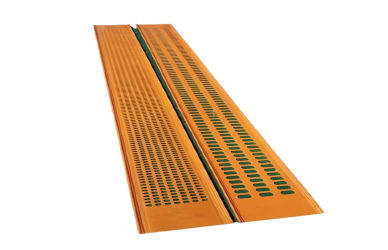
One of the key advantages of Polyurethane Flip Flow Screens is their exceptional resistance to corrosion. Polyurethane is highly durable and does not rust, making it an ideal material for screening wet, chemically aggressive, or corrosive materials. This resistance allows polyurethane screens to perform well in environments where other materials might fail due to exposure to moisture, chemicals, or harsh environmental conditions.
In industries like mining, waste treatment, or chemical processing, materials such as sludge, acids, or alkalines are commonly processed. Polyurethane’s chemical resistance ensures that it maintains its structural integrity and continues to function effectively, even when exposed to these harsh substances. This makes polyurethane Flip Flow Screens more reliable and longer-lasting in environments that would cause steel or other materials to degrade.
In contrast, steel is highly susceptible to rust and wear when exposed to moisture and chemically aggressive materials. While steel may be durable in dry conditions, prolonged exposure to wet or corrosive environments leads to the formation of rust and corrosion, which weakens the material and reduces its lifespan. This makes steel less suitable for industries where continuous exposure to water, chemicals, or other corrosive agents is common.
The corrosion of steel not only compromises the structural integrity of the screen but also leads to frequent maintenance and replacement costs. In comparison, polyurethane's ability to resist rust and corrosion reduces these issues, providing a longer lifespan and lower maintenance costs.
One of the significant advantages of Polyurethane Flip Flow Screens is their longer operational lifespan compared to traditional steel or rubber screens. Polyurethane's superior wear resistance, elasticity, and corrosion resistance allow these screens to withstand harsh conditions and maintain their effectiveness over time. In environments where steel screens would degrade quickly due to abrasive materials, moisture, or chemicals, polyurethane screens continue to perform at a high level, significantly reducing the need for frequent replacements.
Polyurethane’s ability to maintain its integrity under constant stress, vibration, and exposure to tough materials allows it to deliver a longer service life, even in high-demand applications. This makes it an ideal choice for industries like mining, construction, and recycling, where equipment longevity is critical to maintaining productivity and minimizing operational disruptions.
Polyurethane Flip Flow Screens reduce downtime and maintenance costs significantly when compared to steel screens. Steel is prone to wear, rust, and clogging, all of which require frequent maintenance or replacement. In contrast, polyurethane’s self-cleaning ability, resistance to corrosion, and durability minimize the need for regular maintenance tasks such as cleaning, part replacement, and repairs.
The resilient nature of polyurethane allows these screens to operate efficiently without frequent interventions, reducing the amount of time the equipment is out of operation. This results in increased uptime, allowing industries to maintain their workflow and productivity without the interruptions caused by screen failures or blockages typical with steel screens. Additionally, the cost savings from reduced maintenance and longer service life make polyurethane Flip Flow Screens a more cost-effective solution over the long term.
Polyurethane offers superior wear resistance, flexibility, and self-cleaning properties, making it ideal for handling wet and sticky materials.
The elasticity of polyurethane prevents material buildup, reducing the need for manual cleaning and ensuring continuous, efficient screening.
Polyurethane is more resistant to abrasion, corrosion, and harsh vibrations, providing longer-lasting performance compared to steel.
The durability and self-cleaning action of polyurethane reduce downtime, extend the lifespan of the screens, and lower maintenance frequency and costs.
Polyurethane Flip Flow Screens have proven to be the superior choice for material screening, offering significant advantages over traditional steel screens. Their superior durability, elasticity, and self-cleaning capabilities make them ideal for handling difficult materials like wet, sticky, and abrasive substances. Polyurethane’s corrosion resistance and longer lifespan ensure that these screens perform efficiently in harsh environments, reducing downtime and maintenance costs. As industries continue to demand more efficient and cost-effective solutions, the role of companies like Hebei Dizhuo Rubber & Plastic Products Co., Ltd. becomes increasingly important. By providing high-quality, durable polyurethane solutions, Hebei Dizhuo is helping to meet the evolving needs of industries such as mining, recycling, and construction, ensuring continuous operation and greater productivity. Their commitment to advancing material handling technologies positions them as key players in the growing demand for innovative screening solutions.


