

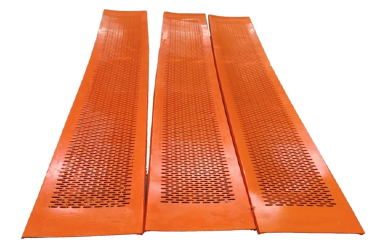
Polyurethane Flip Flow Screens are innovative screening solutions that have become increasingly essential in industries where traditional screening methods struggle to perform efficiently. These screens are designed to handle materials that are difficult to process using conventional screens, such as wet, sticky, or fine particles. By utilizing advanced polyurethane materials, Flip Flow Screens offer superior durability and performance compared to their metal and rubber counterparts.
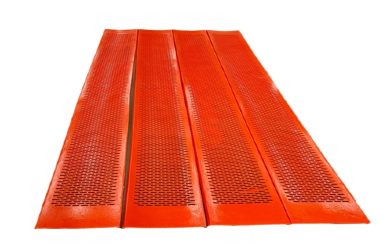
Polyurethane Flip Flow Screens have become an essential solution in material screening, particularly for handling challenging materials such as wet, sticky, or fine particles. These screens are designed to offer superior efficiency and reliability in industries like mining, recycling, and construction.
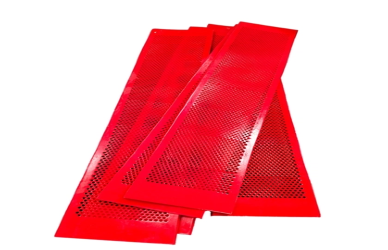
Screening efficiency is critical in industries that handle sticky and moist materials, such as mining, recycling, and waste treatment. Traditional screening methods often fail to meet the demands of processing wet, sticky, or fine particles, leading to inefficiencies and increased downtime.
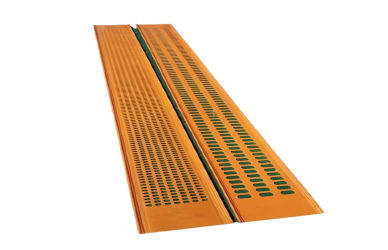
Maintaining Polyurethane Flip Flow Screens is essential to ensure their long-term performance and efficiency. These screens are designed to handle tough materials, such as wet, sticky, and abrasive substances, making them critical for industries like mining, recycling, and construction.
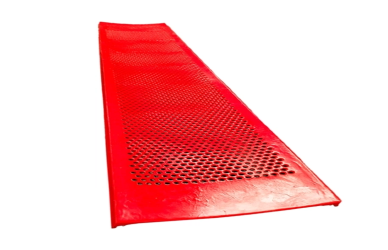
In the rapidly advancing field of waste recycling, the need for efficient material separation has become a critical component of improving operational efficiency. Polyurethane Flip Flow Mats are emerging as a key solution to enhance screening processes in modern recycling plants.
Ever wonder why mines avoid nonstop truck runs? A Mining Conveyor can move tons without traffic jams. This guide answers: what is a conveyor in mining? We explain how it works, and where it fits.You’ll compare conveyor types and key benefits. You’ll also learn how to choose the right system.