

Views: 0 Author: Site Editor Publish Time: 2025-11-19 Origin: Site


Can hydrocyclones separate oil and water efficiently? With increasing environmental concerns, industries face the challenge of managing oily wastewater. Hydrocyclones play a crucial role in this process, utilizing centrifugal force for effective separation. In this post, you'll learn about the necessity of oil-water separation, hydrocyclones' applications, and their importance for environmental compliance.
Hydrocyclones operate based on the principle of centrifugal force. When wastewater containing oil droplets enters the device, it is injected tangentially at high pressure. This causes the fluid to spin rapidly inside a conical chamber. The spinning motion creates strong centrifugal forces that push denser water outward toward the wall of the cyclone. Meanwhile, lighter oil droplets tend to migrate toward the center of the vortex.
The design relies on the density difference between oil and water. Oil droplets, being less dense, naturally move toward the center, where they are collected and discharged through the top outlet. Water, being heavier, moves outward and exits through the bottom outlet. This separation process typically takes just 2-3 seconds, making hydrocyclones highly efficient.
The core of a hydrocyclone’s operation is centrifugal force. As the fluid spins, this force acts on the particles within the mixture. Larger or less dispersed oil droplets respond well to this force, migrating to the center. Smaller or emulsified oil droplets, stabilized by surfactants or chemicals, are more challenging to separate because they stay evenly dispersed.
The strength of the centrifugal force depends on factors like inlet pressure, flow rate, and the geometry of the cyclone. Higher pressure and flow rates increase the force, improving separation efficiency. However, exceeding optimal flow can reduce performance, so proper operation is crucial.
A typical hydrocyclone consists of three main parts:
● Cylindrical Feed Chamber: Where the wastewater enters tangentially, creating the vortex.
● Vortex Finder and Overflow Outlet: Located at the top, it collects and discharges the separated oil.
● Conical Section and Apex: The narrowing cone accelerates the spinning motion, enhancing separation. The apex at the bottom allows water to exit after oil removal.
The device has no moving parts, which reduces maintenance needs. Its compact size makes it suitable for tight spaces in industrial settings. Pre-assembled and pre-wired models are common, simplifying installation.
The efficiency of separation depends on the cyclone's design, including cone angle, inlet pressure, and flow rate. Proper calibration ensures maximum oil removal, especially for non-emulsified oil droplets larger than 10 microns.
Tip: For optimal performance, regularly monitor flow rates and pressure levels to maintain the ideal centrifugal forces necessary for effective oil-water separation.
Hydrocyclone oil separators are highly effective at removing tiny oil droplets from water. They can capture particles as small as 10-15 microns, significantly finer than traditional separators, which typically handle 40-60 microns. This high efficiency is crucial in industries where even small oil residues can cause environmental or operational issues. The rapid separation process—often completed within 2-3 seconds—ensures minimal downtime and quick treatment cycles.
One of the biggest advantages of hydrocyclone separators is their compact size. They are up to 90% smaller than conventional systems, making them ideal for facilities with limited space. Their simple design features no moving parts, reducing wear and tear. This means less maintenance, fewer repairs, and lower operational costs over time. Many models arrive pre-plumbed and pre-wired, simplifying installation and setup.
Hydrocyclone separators can handle large volumes of water efficiently. They are available in a wide range of capacities, from 2,000 liters per hour to over 500,000 liters per hour. This scalability makes them suitable for various industrial applications, including mining, oil & gas, automotive, and wastewater treatment. Their ability to process high flow rates without compromising separation quality helps industries meet strict environmental standards while maintaining productivity.
● Energy efficiency: Hydrocyclones use gravity and centrifugal force, requiring no external power source beyond the initial pressure input. This makes them energy-efficient and cost-effective.
● Ease of integration: They can be easily incorporated into existing treatment systems or used as standalone units.
● Environmental compliance: Their high removal efficiency helps industries meet regulatory standards, reducing fines and environmental impact.
● Versatility: Suitable for both non-emulsified oil and free-floating oil droplets, they adapt well across multiple sectors.
Feature | Description |
Size | Up to 90% smaller than traditional systems |
Maintenance | No moving parts, low-cost upkeep |
Efficiency | Removes oil droplets down to 10-15 microns |
Capacity | 2,000 to 500,000+ liters per hour |
Power | No external power needed beyond pressure input |
These advantages make hydrocyclone oil separators a smart choice for industries seeking reliable, space-saving, and cost-effective oil-water separation solutions. Their ability to deliver high-quality separation with minimal maintenance helps companies stay compliant and operate sustainably
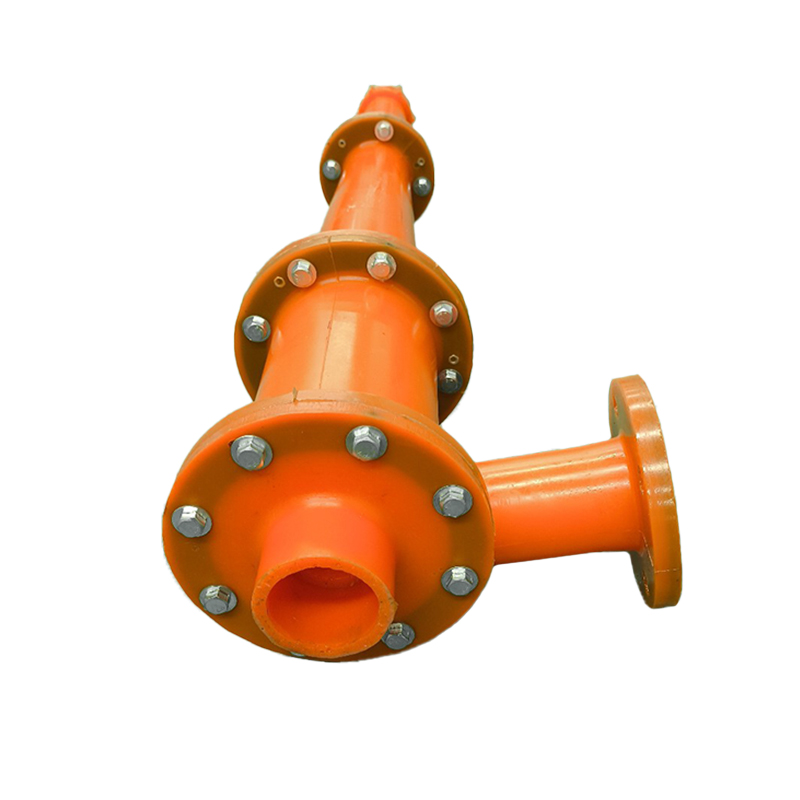
Hydrocyclone oil water separators are versatile tools used across many industries to manage oily wastewater effectively. Their design and operation make them suitable for handling large volumes of water contaminated with oil, fats, or grease. Here’s a closer look at how different sectors utilize these systems:
Mining operations often produce wastewater laden with oil, grease, and fine solids. Hydrocyclones efficiently remove oil droplets and suspended particles, helping mines meet strict environmental standards. For example, during mineral processing, hydrocyclones can separate oil from water used in equipment cooling or dust suppression systems.
In the oil and gas sector, hydrocyclones are crucial for treating produced water—water extracted along with oil and gas. These systems remove dispersed oil droplets, often down to ten parts per million (ppm), making water suitable for reuse or safe discharge. Offshore platforms and drilling rigs depend on hydrocyclones to prevent environmental contamination and comply with regulations.
The automotive industry generates oily wastewater in processes like vehicle washing, painting, and maintenance. Hydrocyclones help separate residual oils and contaminants from water, reducing environmental impact and facilitating recycling. For example, in vehicle paint shops, hydrocyclones remove solids and excess paint particles, ensuring cleaner water for reuse.
Manufacturing plants, especially those involving metalworking or food processing, use hydrocyclones to treat wastewater containing oils, fats, or greases. They can efficiently separate oil droplets from water, enabling industries to meet local discharge standards and reduce their ecological footprint.
Hydrocyclones serve as pre-treatment units in larger wastewater management systems. They are often installed upstream of biological treatment or filtration units to remove most of the oil and suspended solids. This reduces the load on subsequent treatment stages, improving overall efficiency.
In municipal or industrial wastewater treatment plants, hydrocyclones help in clarifying water before it goes through biological or chemical processes. Their fast separation time—typically 2-3 seconds—allows for continuous operation, handling high flow rates with minimal space requirements.
● Mining: Oil and fine solids removal from mineral processing water.
● Oil & Gas: Treatment of produced water, drilling fluids, and offshore wastewater.
● Automotive: Recycling of wash water, removal of oils in maintenance.
● Manufacturing: Treatment of process water with oils, fats, and greases.
● Wastewater Treatment: Pre-treatment to enhance downstream processes.
Hydrocyclone oil water separators are essential in industries where oily wastewater management is critical. Their ability to handle large volumes efficiently, combined with low maintenance needs, makes them a popular choice worldwide.
Flow rate and pressure are crucial for hydrocyclone efficiency. Higher flow rates increase the centrifugal force, improving oil-water separation. When wastewater enters at the right pressure, the spinning motion creates a strong vortex, pushing heavier water outward and lighter oil inward. This separation works best within a specific pressure range—often between 2 to 8 bar (roughly 30 to 120 psi). Exceeding this range can cause turbulence, reducing separation quality. Conversely, too low pressure might not generate enough force to separate oil droplets effectively.
Maintaining optimal flow rate and pressure is vital. Regular monitoring ensures the system operates within its ideal parameters. Adjustments might be necessary if flow rates fluctuate due to changes in wastewater volume or system conditions. Proper calibration helps prevent oil carryover and water contamination, ensuring compliance with environmental standards.
The size of oil droplets significantly impacts separation success. Hydrocyclones are most effective at removing droplets larger than 10 microns. These larger droplets respond well to centrifugal forces, migrating toward the center of the vortex and being discharged with minimal residual oil in the water.
However, challenges arise with smaller or emulsified oil particles—those under 10 microns. These tiny droplets tend to stay dispersed, stabilized by surfactants or chemicals, making them harder to separate. For such emulsions, hydrocyclones alone may not suffice. Additional treatment steps, like chemical breaking or coalescing, are often necessary to merge small droplets into larger ones before hydrocyclone processing.
Understanding the typical oil droplet size in your wastewater helps determine the right equipment and supplementary treatments. For industries dealing with emulsified oils, combining hydrocyclones with other separation technologies ensures compliance and environmental safety.
Water viscosity influences how well hydrocyclones perform. Lower viscosity water—usually achieved at higher temperatures—reduces resistance to flow, allowing the centrifugal forces to act more effectively. Warmer water decreases oil viscosity, making oil droplets less stable and easier to separate.
For example, heating wastewater slightly can improve separation efficiency, especially when dealing with stubborn emulsions. Conversely, cold water with higher viscosity can hinder the process, leading to less effective oil removal.
Operators should consider temperature control as part of system maintenance. Ensuring wastewater is within an optimal temperature range maximizes separation performance. It's also essential to account for viscosity changes when designing or scaling hydrocyclone systems, especially in regions with significant temperature fluctuations.
Hydrocyclones are highly effective at removing free-floating, non-emulsified oil droplets from water. They rely on centrifugal force to push denser water outward and lighter oil inward, making separation quick and efficient. However, when it comes to emulsified oil—tiny oil droplets stabilized by surfactants or chemicals—the process becomes more complex. These small droplets, often less than 10 microns, are dispersed evenly throughout the water, making them resistant to separation by centrifugal force alone.
Emulsified oils tend to form stable suspensions, which do not readily migrate to the surface or concentrate in the center of the vortex. As a result, hydrocyclones may struggle to remove these tiny, stabilized droplets effectively. This limitation can lead to residual oil in the water, which might cause environmental compliance issues or interfere with downstream treatment processes.
To overcome these challenges, industries often combine hydrocyclones with other treatment methods. Chemical breaking, or demulsification, involves adding agents that destabilize the emulsion, causing small oil droplets to coalesce into larger ones. These larger droplets are then easier to separate using hydrocyclones or other physical methods.
Coalescing separators are another common addition. They use specially designed plates or media to encourage small oil droplets to merge into larger ones. Once coalesced, the oil can be more easily removed by hydrocyclones or skimming systems. This multi-step approach ensures higher removal efficiency, especially when dealing with emulsified oils.
In many industrial setups, hydrocyclones are integrated into more comprehensive treatment trains. For example, a typical system might include chemical dosing units to break emulsions, followed by hydrocyclones for physical separation, and finally, skimming or flotation units for residual oil removal. This layered approach maximizes oil removal, ensures compliance with environmental standards, and reduces the risk of oil carryover.
Designing such integrated systems requires careful consideration of flow rates, chemical compatibility, and the specific nature of the emulsion. Proper calibration and maintenance are essential to keep the entire process functioning effectively.
In summary, while hydrocyclones excel at removing free, non-emulsified oil, their limitations with emulsified oil mean they often need to be part of a multi-step treatment process. Combining physical and chemical methods provides a more reliable solution for complex oily wastewater.
When it comes to separating oil from water, industries have several options. Hydrocyclones are just one of many technologies available, each with its own strengths and limitations. Understanding how hydrocyclones compare to other methods helps businesses choose the best solution for their needs.
Hydrocyclones use centrifugal force to remove oil droplets, especially those larger than 10 microns. They are compact, require no moving parts, and can handle high flow rates efficiently. They excel at quick separation, often within 2-3 seconds, making them ideal for continuous industrial processes.
Coalescing separators, on the other hand, rely on plates or media to encourage tiny oil droplets to merge into larger ones. They are better suited for emulsified oils—small, stabilized droplets that hydrocyclones struggle to remove. Coalescers are often used as a secondary treatment after hydrocyclones or other primary separation methods.
Efficiency & Maintenance:
● Hydrocyclones are highly efficient for free, non-emulsified oils, removing particles down to 10-15 microns.
● Coalescing separators are more effective for emulsified oils, especially when combined with chemical demulsifiers.
● Hydrocyclones have no moving parts, reducing maintenance.
● Coalescers may require periodic cleaning or replacement of media.
Hydrocyclones are generally more cost-effective for high-volume, continuous operations. Their simple design means lower maintenance and operational costs. They are space-saving, often up to 90% smaller than traditional separators.
Coalescing separators tend to be larger and more complex, leading to higher installation and maintenance costs. However, they provide better removal of stabilized emulsions, which hydrocyclones may not handle well.
Hydrocyclones are excellent where space is limited. Their compact size makes them suitable for facilities with tight layouts. They are widely used in industries like mining, oil & gas, and manufacturing for quick, reliable separation.
Coalescers are preferable when dealing with emulsified oils or when very high purity levels are required. They often serve as part of a multi-stage treatment process, combining physical and chemical methods.
Hydrocyclones efficiently separate oil and water using centrifugal force, offering rapid and effective treatment. As oil-water separation technology evolves, hydrocyclones remain vital for environmental compliance and reducing ecological impacts. The innovative hydrocyclone products from Hebei Dizhuo Rubber & Plastic Products Co., Ltd. provide space-saving, low-maintenance solutions, ensuring industries meet stringent standards while minimizing operational costs.
A: A Hydrocyclone is used to separate oil from water by utilizing centrifugal force to push denser water outward and lighter oil droplets inward, allowing for efficient separation.
A: A Hydrocyclone operates by injecting wastewater tangentially at high pressure, creating a rapid spinning motion that separates oil and water based on density differences.
A: Hydrocyclones are preferred due to their compact design, high efficiency in removing oil droplets, and low maintenance needs, making them ideal for space-constrained industrial environments.
A: Hydrocyclone performance is affected by flow rate, pressure, oil droplet size, and water viscosity, all of which influence the efficiency of oil-water separation.
A: Hydrocyclones are less effective for emulsified oils; combining them with chemical demulsifiers or coalescing units improves separation efficiency for such complex mixtures.


