

Views: 0 Author: Site Editor Publish Time: 2026-01-07 Origin: Site


In mining, material separation is crucial for efficient processing. But what’s the real difference between fine and coarse screens? These screens play distinct roles, ensuring smooth material flow and protecting equipment.
In this article, we will explore the differences between fine screens and coarse screens, their functions, and how they impact mining operations. By understanding these distinctions, you'll be better equipped to make informed decisions about your screening technology.
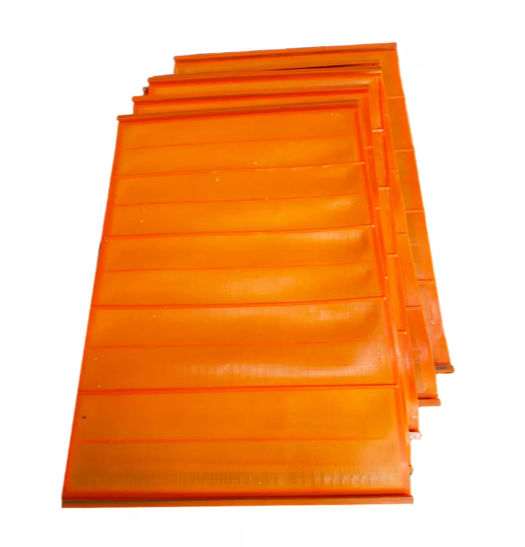
Coarse screens are large mesh screens that are specifically designed with bigger apertures (ranging from 6 mm to 150 mm) to effectively remove large debris such as rocks, sticks, and oversized pieces of mineral chunks from the ore. These screens are primarily used in the initial stages of material processing to ensure that any large, unwanted particles are removed, preventing them from damaging sensitive equipment like crushers, mills, and other downstream processing systems. The main purpose of coarse screens is to protect these sensitive machines from the impact of large particles, ensuring smooth and continuous operations.
Coarse screens provide an essential first line of defense in a mining operation. By removing large debris early, they significantly reduce the risk of equipment damage further down the line. This also allows for more efficient downstream processing, as the material has already been pre-screened for size, thus minimizing unnecessary strain on processing equipment.
On the other hand, fine screens have smaller mesh sizes (ranging from 0.2 mm to 6 mm) and are designed to separate fine particles such as dust, sand, silt, and other small contaminants from larger materials. Fine screens are critical in the latter stages of material processing, where a higher degree of refinement is necessary. These screens ensure that only the desired materials, free from fine contaminants, are passed on for further processing or sale.
Fine screens are used after the coarse screens to further refine the material by removing smaller particles that might affect the quality of the final product. These screens are crucial for maintaining the purity and quality of the ore, especially in cases where precision is vital, such as in high-value mineral extraction or chemical processing operations.
The purpose of both fine and coarse screens is to optimize material flow by sorting particles according to size. Coarse screens handle the bulk of large particles, removing them early in the process, while fine screens take over to refine the material, ensuring that it meets the required specifications for further processing. These screens are indispensable in the mining process, as they help to prevent equipment damage, improve the quality of the final product, and increase operational efficiency.
By using a combination of both screen types, mining operations can ensure that they are processing materials in the most efficient way possible, optimizing both productivity and product quality.
| Aspect | Coarse Screens | Fine Screens |
|---|---|---|
| Mesh Size | Larger apertures (6 mm to 150 mm) | Smaller mesh sizes (0.2 mm to 6 mm) |
| Applications | Used in initial stages of processing, removing large debris | Used after coarse screens, refining materials for further processing |
| Efficiency | Effective at removing large debris, less effective for small particles | Highly efficient in capturing fine contaminants with precision |
| Design | Simple structure with large openings, durable | Intricate design with wedge wires or perforated plates, requires more maintenance |
| Maintenance | Low maintenance needs | Higher maintenance due to clogging and wear |
Coarse Screens: Coarse screens are designed with larger apertures (ranging from 6 mm to 150 mm), making them highly effective at quickly removing large debris such as rocks, sticks, and other oversized materials. These larger openings allow for a rapid flow of materials, ensuring that the mining process is not slowed down by oversized debris.
Fine Screens: Fine screens, in contrast, have much smaller mesh sizes (ranging from 0.2 mm to 6 mm). These screens are designed to capture finer particles, such as dust, sand, and small debris, which are not effectively removed by coarse screens. The smaller mesh sizes ensure that only the desired fine materials are allowed through, improving the quality of the material that progresses to the next stage of processing.
Coarse Screens: Coarse screens are primarily used in the early stages of processing to separate large particles from the ore. These screens remove debris that could otherwise damage downstream equipment. They are typically used in the primary stages of ore processing, ensuring that large materials are removed early, allowing the finer materials to be processed more efficiently in the later stages.
Fine Screens: Fine screens are employed after the coarse screening process, refining the material by removing small particles. Fine screens ensure that only high-quality material, free from contaminants, proceeds to the next stage of processing. Fine screens are often found in more advanced stages of mineral extraction, where precision is required, such as in gold or platinum mining.
Coarse Screens: Coarse screens excel at separating large debris quickly and efficiently. However, they are less effective at capturing small particles due to their larger mesh sizes. This limitation makes them less suitable for applications that require precise material separation, especially when dealing with fine contaminants.
Fine Screens: Fine screens are highly efficient in removing small contaminants. Their small apertures allow for precise separation of fine particles, ensuring that the material passed on for further processing is as clean as possible. Fine screens are crucial for industries where the quality of the final product is heavily dependent on the removal of fine debris, such as in chemical processing or high-grade mineral extraction.
Coarse screens are typically designed with a simple and robust structure. They often consist of bars or mesh placed at regular intervals to create large openings that allow for the rapid flow of materials. This simple design ensures that coarse screens can withstand the impact of large materials and continue to function efficiently under harsh conditions. Coarse screens are typically either manually cleaned or cleaned with mechanical systems, depending on the operational needs. These screens are built to be durable and are able to handle the stress of coarse material separation, providing a longer lifespan compared to more delicate screen types.
Fine screens, on the other hand, are more intricate in design, often featuring wedge wire, perforated plates, or rotating drums. These designs help to capture smaller materials with greater precision. Fine screens are designed to operate continuously, which means that they require more maintenance to prevent clogging due to the small particle sizes they handle. They are often more complex and contain more moving parts, such as rotating drums or vibrating plates, which can wear out faster than the simpler components used in coarse screens. However, fine screens are designed to provide higher precision and efficiency in separating small particles, making them indispensable for operations that require a high level of material refinement.
Coarse screens play a vital role in the early stages of material processing. By removing large debris early on, they protect sensitive equipment like crushers, mills, and other processing machinery from potential damage. Coarse screens improve overall operational efficiency by allowing the mining process to proceed smoothly without interruptions caused by large, unwanted materials. This early separation step ensures that only the appropriately sized materials proceed to the next stage of processing.
Fine screens are essential for refining the material after it has been separated by coarse screens. These screens ensure that small contaminants, such as fine dust, sand, or organic matter, are removed, thus improving the overall quality of the ore. Fine screens are particularly important in mining operations where the purity of the final product is crucial. In gold mining, for instance, fine screens ensure that only the gold particles are passed through, leaving behind any unwanted debris or contaminants. This refining process is critical for ensuring that the end product meets the required specifications for further use or sale.
| Aspect | Coarse Screens | Fine Screens |
|---|---|---|
| Maintenance Frequency | Low maintenance, requires occasional cleaning | Higher maintenance, requires regular cleaning |
| Common Issues | Minimal clogging, wear due to large materials | Clogging due to fine particles, frequent wear of moving parts |
| Replacement Parts | Less frequent replacement of parts | Wedge wires, perforated plates, and rotating components may require frequent replacement |
| Cost | Low maintenance cost | Higher maintenance cost due to complex design and parts wear |
Coarse screens generally require less maintenance compared to fine screens. The larger mesh openings are less likely to clog, and the simple design of the coarse screen means that there are fewer moving parts that could potentially fail. Coarse screens are built to be durable and are able to handle harsh conditions without significant wear and tear. Regular cleaning and periodic inspections are usually sufficient to keep coarse screens in optimal working condition, making them a cost-effective solution for many mining operations.
Fine screens, due to their smaller mesh sizes, tend to require more frequent maintenance. The small apertures are prone to clogging, especially when processing fine materials with a high level of dust or debris. Fine screens often require regular cleaning, and some parts, such as the wedge wires or rotating components, may wear out more quickly than the parts in coarse screens. Maintenance costs can therefore be higher for fine screens, but their ability to provide precision separation of fine materials justifies the added expense in many cases.
When choosing between fine and coarse screens, mining operators must consider several key factors:
Material Type: The size and type of material being processed will dictate whether coarse or fine screens are needed. Coarse screens are ideal for large particles, while fine screens are better suited for smaller materials that require precise separation.
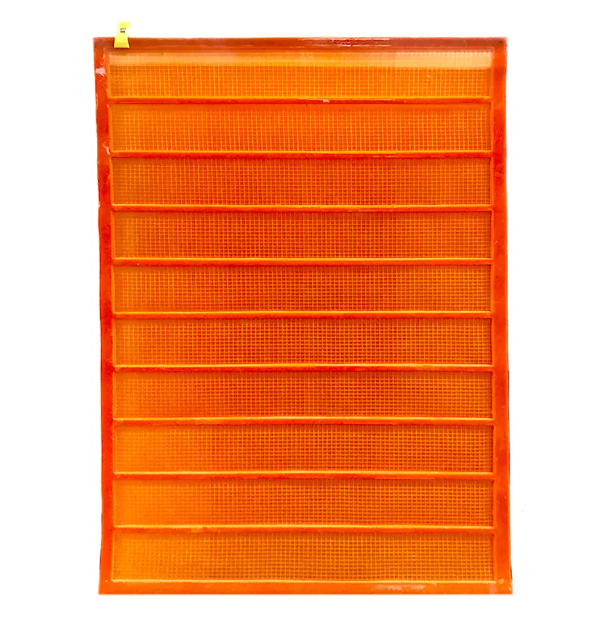
Screening Efficiency: Efficiency is a major factor when selecting a screen. Fine screens, such as high-frequency fine screens or polyurethane fine mesh screens, offer greater efficiency in capturing small contaminants and improving the quality of the material.
Cost-Effectiveness: While fine screens generally require higher maintenance, their precision and efficiency can lead to cost savings by improving the quality of the final product. Coarse screens, with their simple design and low maintenance needs, are generally more cost-effective for handling large materials.
Screen Mesh Size: Always choose the appropriate mesh size based on the specific particle size you need to separate. For fine materials, PU fine screen mesh or polyurethane fine screen is a reliable option that provides durability and precision.
Durability and Wear Resistance: Consider the operational environment. If the material is abrasive or wet, polyurethane screens offer superior durability and wear resistance, making them ideal for handling fine materials.
Both fine screens and coarse screens play crucial roles in mining. Coarse screens are vital in early processing stages, efficiently removing large debris and protecting equipment. Fine screens ensure that only high-quality materials continue to the next stage, improving product quality. As mining technology evolves, polyurethane fine mesh screens and high-frequency fine screens offer greater efficiency and longer lifespans. Selecting the right screen optimizes material processing, reduces costs, and enhances product quality.
For mining companies looking to improve their operations, Hebei Dizhuo Rubber & Plastic Products Co., Ltd offers top-tier polyurethane fine mesh screens. Their products deliver high efficiency and durability, providing excellent value for mining operations seeking reliable and long-lasting solutions.
A: Fine screens have smaller mesh sizes (0.2 mm to 6 mm), designed to capture finer particles, while coarse screens have larger apertures (6 mm to 150 mm) to remove larger materials like rocks and debris.
A: Fine screens, such as polyurethane fine mesh screens, are crucial for refining material by removing small contaminants, ensuring that only high-quality ore moves to the next stage.
A: A high-frequency fine screen uses rapid vibrations to improve the efficiency of fine particle separation, making it ideal for processes that require precise material refinement.
A: Polyurethane fine screens offer superior durability and wear resistance, making them ideal for handling abrasive materials and providing longer operational lifespans in mining applications.
A: Coarse screens efficiently separate large particles early in the process, preventing damage to downstream equipment and improving overall processing efficiency.
A: Yes, fine screens, especially pu fine screen mesh or polyurethane fine screen types, tend to have higher upfront and maintenance costs due to their intricate design and smaller mesh sizes.


