

Views: 0 Author: Site Editor Publish Time: 2026-01-02 Origin: Site


Have you ever wondered how coal is sorted and cleaned in large-scale mining operations? The process is complex and requires specialized equipment like fine screens. These screens help separate coal by particle size, removing impurities and ensuring high-quality output.
In this article, we will explore how fine screens enhance coal processing, from improving coal quality to increasing efficiency. You will learn about their essential role in modern coal preparation plants and the innovations that have made them indispensable in the coal industry.
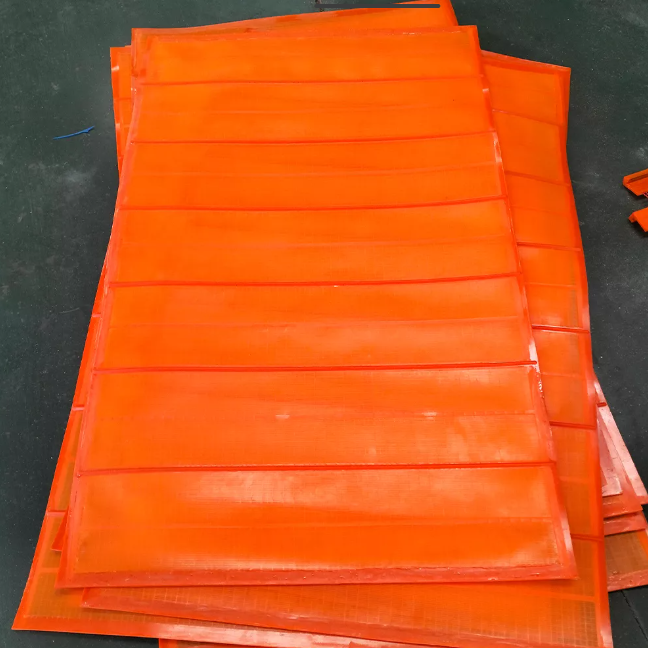
| Type of Fine Screen | Durability | Efficiency | Ideal Use Case | Benefits |
|---|---|---|---|---|
| High-Frequency Fine Screens | High | Very Efficient | Cleaning fine coal particles | Prevents blinding, high recovery rates |
| Polyurethane Fine Screens | Medium to High | Moderate to High | Dealing with abrasive or wet coal | Resistant to wear and corrosion |
| PU Fine Screen Mesh | High | Moderate | Sorting and cleaning fine coal fractions | Enhances throughput, reduces contamination |
The primary function of a fine screen in the coal industry is to separate coal into different particle sizes. This classification process is crucial as it helps ensure that the coal meets the necessary specifications for further processing. Fine screens can be designed with specific mesh sizes to accurately sort coal into fractions, such as coarse, medium, and fine grades. This separation is essential for removing contaminants and ensuring that only the highest-quality coal moves forward for use in power plants or other industrial applications.
For example, PU fine screens are commonly used to separate finer coal particles due to their superior wear resistance and efficiency. These screens are capable of handling even the smallest coal fractions, which allows coal preparation plants to recover more usable material, thereby improving yield. By sorting coal effectively, these fine screens help increase the overall efficiency of the coal preparation process, reducing waste and improving product yield.
Fine screens are also crucial for enhancing coal quality by removing unwanted materials like dirt, rocks, and debris. Polyurethane fine mesh screens are particularly effective in this role, as they are resistant to wear, corrosion, and static electricity, which makes them ideal for handling coal in wet and abrasive conditions. These characteristics ensure that fine screens can operate smoothly and efficiently in challenging environments where traditional screens might fail.
By removing impurities from the coal, fine screens ensure that only clean, high-quality coal remains. This enhances the calorific value of coal, which is crucial for efficient power generation. The cleaner coal also performs better in metallurgical processes, where coal quality directly impacts the outcome of the production process. The use of fine screens thus plays a key role in improving the energy efficiency of coal-fired power plants and increasing the overall value of the coal being processed.
Fine screens not only improve coal quality but also help streamline coal handling processes. In coal mining operations, handling raw coal can be a labor-intensive task. Fine screens help by automating the classification process, reducing the need for manual sorting and handling. This automation increases operational efficiency and reduces the time spent on manual labor, thereby contributing to cost savings.
Moreover, the use of PU fine screen mesh allows for higher throughput, enabling coal preparation plants to handle larger volumes of coal more efficiently. This results in lower operational costs and improved overall productivity. As coal production demands increase, fine screens help ensure that the processing plant can meet these demands without compromising efficiency or quality.
Cleaning fine coal particles, particularly those under 1 mm in size, presents a unique challenge in coal preparation. Fine screens are essential for this process, ensuring that these small particles are efficiently separated and cleaned. Technologies like froth flotation and dense-medium cyclones often rely on fine screens to remove fine coal particles from unwanted materials.
High-frequency fine screens are increasingly used to efficiently clean fine coal particles. These screens operate at a much higher frequency than traditional screens, which helps prevent blinding and ensures higher efficiency, even when dealing with wet or sticky coal. The increased frequency allows the screens to vibrate faster, helping small particles move through the mesh more easily, ensuring better separation and higher-quality coal recovery.
Tailings management is an important aspect of coal mining, as improperly managed tailings can lead to environmental issues. Fine screens play a significant role in tailings management by separating the solid and liquid phases in tailings slurry. The polyurethane fine screens are particularly useful in dewatering applications, allowing coal preparation plants to manage waste efficiently and reduce the environmental impact of their operations.
By ensuring proper tailings disposal and separation, fine screens contribute to reducing the environmental impact of coal mining operations. This is especially important as environmental regulations become more stringent, and coal mining companies are under increasing pressure to reduce their ecological footprint. Fine screens help meet these demands by improving the efficiency of tailings management and minimizing waste.
Fine screens are also instrumental in maximizing coal recovery, particularly for metallurgical applications. By separating valuable coal fines from the run-of-mine material, fine screens ensure that no valuable material is wasted during the processing stage. This is particularly important in regions where high-quality coal deposits are depleting, and recovery from lower-quality seams is becoming essential.
The use of polyurethane fine mesh screens helps achieve this by offering better separation efficiency, which leads to higher recovery rates and reduced loss of valuable coal. With the growing demand for cleaner and more efficient coal, fine screens are playing an increasingly important role in recovering the maximum possible amount of usable coal from each mining operation.
The performance of a fine screen is heavily influenced by the mesh size. Choosing the right mesh size ensures that the coal is properly classified, with finer particles separated from the larger ones. The mesh size is a critical factor, as it directly impacts the screen's capacity, throughput, and efficiency.
Polyurethane fine screen mesh is often preferred in coal processing due to its durability and ability to handle fine coal particles. The precise mesh size selection ensures effective separation, improving the overall efficiency of the coal preparation process. When selecting mesh size, it is essential to consider the characteristics of the coal being processed, including particle size distribution and moisture content.
Several types of fine screening equipment are commonly used in coal preparation plants, including vibrating screens, sieve bends, and trommel screens. Each type of screen has its advantages, depending on the specific requirements of the coal preparation process.
| Screening Equipment | Description | Ideal Application | Advantages |
|---|---|---|---|
| Vibrating Screens | Use vibration to separate coal particles | Coal preparation for dry or wet processing | Versatile, can handle both wet and dry material |
| Sieve Bends | Slanted screens that allow gravity separation | Fine coal cleaning | High capacity, low maintenance |
| Trommel Screens | Rotating drum screens | Processing large volumes of coal | Effective for sticky, wet coal |
Each of these fine screening technologies plays a key role in improving the efficiency of coal processing, reducing waste, and enhancing the overall recovery of coal. By choosing the right screening equipment, coal preparation plants can ensure that they meet their production targets while maintaining high product quality.
| Benefit | Impact | Fine Screen Role |
|---|---|---|
| Waste Reduction | Reduced coal waste and increased yield | Separates fine coal from unwanted materials |
| Environmental Impact Reduction | Lower carbon footprint | Minimizes tailings, reduces waste disposal |
| Cost Savings | Decreased operational expenses | Increases efficiency, lowers maintenance costs |
| Coal Recovery | Maximized recovery rates | Ensures maximum usable coal is extracted |
Fine screens significantly reduce waste by efficiently separating usable coal from non-usable materials. This not only improves the overall yield but also helps minimize the environmental footprint of coal mining operations.
Polyurethane fine screens are particularly effective in reducing the impact of coal processing on the environment. They are durable and resistant to corrosion, making them ideal for use in harsh environments where coal processing occurs. By ensuring that only the highest-quality coal is processed and reducing the amount of waste, fine screens help minimize the ecological damage caused by coal mining.
The use of fine screens in coal preparation plants leads to substantial cost savings. By improving the efficiency of the coal classification and cleaning processes, fine screens help reduce the need for further processing and minimize waste. This translates to lower operational costs and improved profitability for coal mining operations.
Moreover, high-frequency fine screens help increase throughput, enabling coal preparation plants to handle larger volumes of coal more efficiently. This leads to higher productivity and more cost-effective operations in the long run. By reducing the need for additional processing stages and minimizing waste, fine screens contribute to the overall economic efficiency of coal mining operations.
Fine screens are essential in enhancing coal processing by improving efficiency, quality, and reducing waste. These screens contribute to better coal recovery and cost savings. Technologies like polyurethane fine mesh screens and high-frequency fine screens are key to meeting the demands for cleaner operations in coal preparation.
As the coal industry faces rising environmental concerns, fine screens will play a more critical role. They will continue to be integral to optimizing coal production, increasing recovery rates, and minimizing environmental impacts.
For companies like Hebei Dizhuo Rubber & Plastic Products Co., Ltd, their advanced fine screen products, such as polyurethane fine mesh screens, provide reliable solutions that enhance coal processing efficiency while reducing operational costs.
A: A fine screen is used in the coal industry to classify and clean coal by separating it into different particle sizes. It removes impurities like dirt and rocks, improving coal quality and processing efficiency.
A: A high-frequency fine screen increases processing efficiency by vibrating at a higher frequency, preventing clogging and improving coal recovery, especially for fine coal particles.
A: Polyurethane fine screens are durable and resistant to wear, making them ideal for handling abrasive coal. They enhance throughput while minimizing maintenance costs, increasing overall operational efficiency.
A: Yes, a PU fine screen mesh improves coal recovery by efficiently separating fine coal particles, ensuring maximum yield from each processing stage while reducing waste.
A: Polyurethane fine mesh screens are highly resistant to corrosion and wear, making them ideal for the abrasive and harsh conditions often found in coal mining operations.
A: Fine screens, like polyurethane fine screens, help reduce operational costs by enhancing coal processing efficiency, minimizing waste, and lowering maintenance requirements, thus improving profitability.


