


Fine screens play a vital role in industries like mining and coal, improving material separation efficiency. They help clean and sort particles, resulting in higher-quality products and better resource utilization.
In this article, we’ll discuss the importance of fine screens and how they enhance operational efficiency in various industrial applications. You’ll learn how choosing the right fine screen can improve your processes and lead to more sustainable operations.
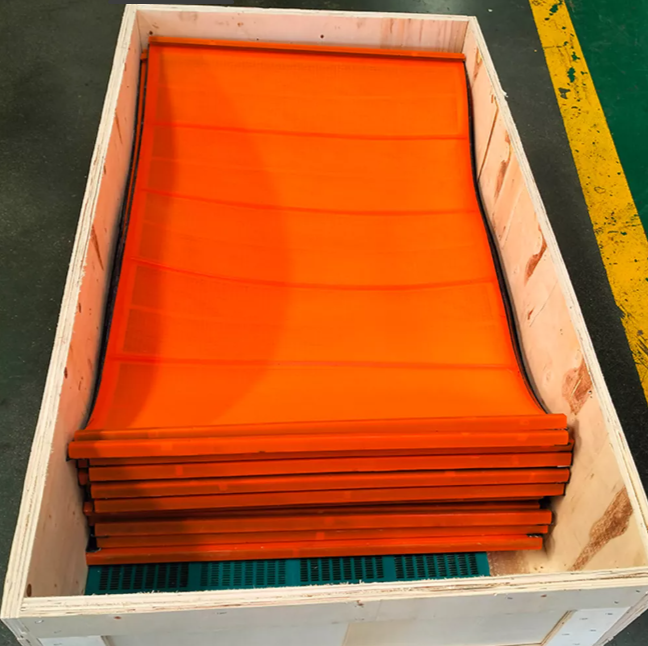
A fine screen is a specialized filtration device used to separate materials based on their particle size. Unlike coarse screens, which are used for larger particles, fine screens are specifically designed to catch and separate finer particles from a bulk material. This process is particularly essential in applications like coal slurry treatment, where smaller coal particles must be cleaned and separated for better processing and use.
The primary purpose of fine screens is to enhance the quality and efficiency of materials by ensuring that unwanted fine particles are removed. These screens play a vital role in improving the overall output quality, especially in industries like coal mining and mineral processing, where the purity of the end product is of utmost importance. By efficiently removing impurities, fine screens help maintain the integrity of valuable materials and protect downstream equipment.
Fine screens are typically made from high-quality materials such as stainless steel, polyurethane, or other durable materials to withstand harsh environments and improve longevity. Polyurethane fine screens, for example, are widely used in mining and coal industries due to their superior wear resistance, impact strength, and long service life. Polyurethane fine mesh screens are ideal for environments where screens are exposed to high abrasion, offering enhanced durability and performance over time. This durability ensures a reduction in maintenance costs and enhances the longevity of the equipment.
Polyurethane fine mesh screens provide greater durability in abrasive environments, making them ideal for mining applications, where they handle large volumes of abrasive materials without compromising performance. Their robustness reduces the need for frequent replacements, offering long-term operational savings.
| Material | Key Features | Ideal Application | Benefits |
|---|---|---|---|
| Stainless Steel | Corrosion-resistant, durable | Mineral processing, Ore separation | Long lifespan, high resistance to harsh environments |
| Polyurethane | High wear resistance, flexible | Coal slurry treatment, mining | Ideal for abrasive conditions, low maintenance |
| Polyurethane Mesh | High abrasion resistance, lightweight | Sand, metal powder separation | Enhanced durability, long-term operational savings |
| Stainless Steel Mesh | Fine aperture, durable | Fine particle separation | Strong and reliable for precise filtration |
| Industry Application | Process Description | Fine Screen Type Used | Benefits |
|---|---|---|---|
| Coal Industry - Slurry Treatment | Separation of fine coal particles from water and impurities | PU Fine Screens, Polyurethane Fine Mesh Screens | Improved product quality, reduced reprocessing |
| Mineral Processing - Ore Separation | Sorting ores, quartz sands, and metal powders | Polyurethane Fine Screens, Stainless Steel Fine Mesh | Enhanced purity of minerals, efficient resource recovery |
| Tailings Management | Separation of solid waste from liquids in mining tailings | PU Fine Screens | Reduces waste volume, aids in resource recovery |
In the coal industry, fine screens are used extensively for coal slurry treatment. After coal is extracted from mines, it often contains a mixture of fine particles, water, and other impurities. Fine screens play a key role in separating the smaller particles from larger ones, significantly improving coal product quality and ensuring more efficient processing. By using a high-frequency fine screen, coal plants can clean and sort the particles more effectively, leading to improved energy output, reduced waste, and better overall product quality.
For example, using a PU fine screen mesh in coal washing plants helps separate fine coal particles from impurities, reducing the need for costly reprocessing. This results in better-quality coal for various industrial uses and lowers the cost of downstream processing. Moreover, the separation of finer particles improves the overall grade of the coal, enhancing its suitability for energy production.
Fine screens are also instrumental in mineral processing. In processes such as beneficiation and mineral separation, fine screens are used to classify ores, quartz sands, and metal powders. The precise separation of granular materials ensures that only the desired minerals are processed further, which increases yield, reduces operational waste, and improves resource recovery.
The polyurethane fine mesh screen is especially effective for such applications, providing high performance and durability even when exposed to abrasive materials like ores, sand, and metal powders. The fine screen’s ability to efficiently separate materials based on size ensures that processing is done more efficiently, with fewer resources wasted. Using a fine screen also minimizes the risk of contaminating the valuable ore with undesirable materials, contributing to higher-quality end products.
When using fine screens in ore separation, selecting screens with smaller mesh sizes can significantly improve particle differentiation and processing efficiency. This is particularly crucial in mineral processing, where the purity of extracted minerals is essential for the next stages of refining and use.
In the mining industry, managing tailings efficiently is critical for reducing environmental impact. Tailings are waste materials left over after the extraction of valuable minerals from ores. Fine screens play a key role in tailings management by separating solid waste from liquids. This process allows for better disposal of waste materials and easier recovery of residual minerals, contributing to more sustainable mining practices.
Using a PU fine screen in tailings treatment can help improve separation efficiency, reducing the volume of waste for disposal and aiding in resource recovery. This not only helps reduce environmental impact but also enhances resource utilization by recovering valuable minerals that would otherwise be lost in the waste stream.
| Benefit | Impact on Industrial Processes | Example Industry Application |
|---|---|---|
| Improved Material Separation | More precise sorting, higher-quality output | Coal processing, mineral separation |
| Reduced Equipment Wear | Less damage to downstream machinery, reduced maintenance costs | Mining, coal slurry treatment |
| Environmental Impact | Reduced waste, better resource recovery | Tailings management, ore separation |
One of the primary advantages of fine screens is their ability to improve material separation efficiency. Whether in coal slurry treatment or mineral processing, fine screens ensure that materials are sorted based on size, leading to more precise and efficient processing. The high-frequency fine screen is designed to handle even the smallest particles, ensuring that unwanted materials are effectively separated from valuable ones. This leads to higher purity products and better quality output for industrial processes.
By using fine screens, industries can enhance operational efficiency, reduce energy consumption, and improve resource recovery. The screens enable precise separation, which translates into better-quality materials and improved downstream processes.
Fine screens significantly reduce wear and tear on downstream equipment. For instance, crushers, pumps, and other machinery benefit from the clean, pre-processed materials that fine screens produce. By filtering out fine particles and contaminants early in the process, fine screens protect equipment from clogging, damage, and excessive wear. This helps reduce the frequency of maintenance, extends the lifespan of costly industrial equipment, and lowers overall operational costs.
In coal processing, for example, using a polyurethane fine screen reduces the amount of abrasive material that reaches machinery, minimizing damage and the need for repairs. This results in fewer breakdowns, lower maintenance costs, and more reliable equipment performance.
Fine screens contribute to more sustainable industrial practices by reducing waste and enhancing resource recovery. By separating fine particles efficiently, fine screens ensure that only the desired materials are processed, reducing the amount of waste sent to landfills or other disposal methods. In the coal and mining industries, fine screens help recover valuable minerals from tailings, contributing to environmental sustainability by reducing the need for new mining and preserving natural resources.
Incorporating fine screens into industrial processes can significantly reduce operational waste, making your operations more environmentally friendly. By improving the separation process, industries can reduce environmental contamination and minimize their ecological footprint.
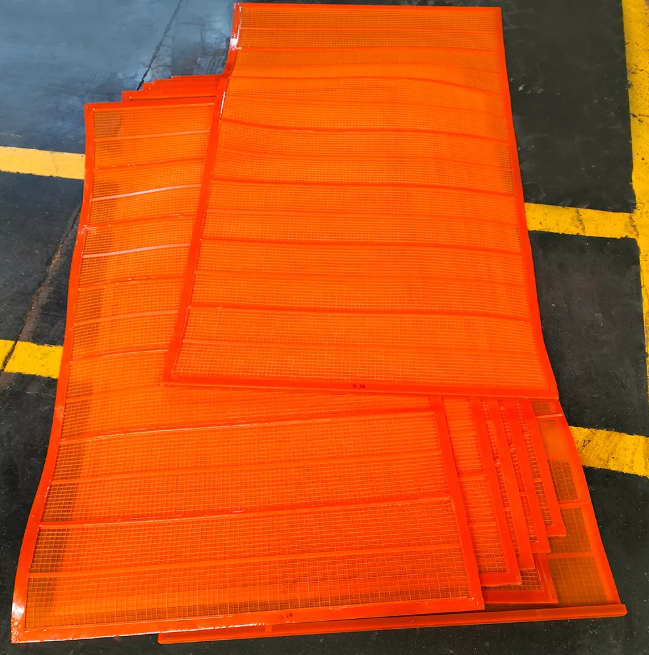
Choosing the correct mesh size is critical for achieving the desired separation efficiency. For industries like mining and coal, fine screens with smaller mesh sizes are required to separate fine particles from coarse materials. It’s important to evaluate the particle size distribution in the materials being processed and select a fine screen that best matches these requirements.
For example, a high-frequency fine screen with a mesh size of 0.25 mm is ideal for separating very fine particles, such as sand and metal powder. Selecting the right mesh size ensures that the material is properly graded, improving processing efficiency and reducing the risk of contamination.
The material of the fine screen must be chosen based on the operating environment. In harsh, abrasive conditions such as those found in coal mining, polyurethane fine screen mesh is a suitable choice because of its wear resistance and ability to withstand high-impact conditions. Stainless steel screens are often used in mineral processing for their corrosion resistance and durability.
By selecting the appropriate material for the screen, industries can ensure that the fine screens perform optimally throughout their service life, minimizing downtime and maintenance costs.
When selecting a fine screen system, it’s important to evaluate both the initial cost and the long-term benefits. While fine screens like polyurethane fine mesh screens may require a higher upfront investment, their durability and efficiency can reduce maintenance costs and improve operational efficiency over time. The initial cost is an investment that pays off through reduced operating costs, increased productivity, and longer equipment lifespan.
Recent advancements in fine screen design have focused on improving mesh structure, material strength, and overall performance. New technologies in PU fine screens and polyurethane fine mesh screens are increasing separation efficiency and extending the lifespan of screening equipment. These innovations help industries handle more materials while maintaining high performance and low operating costs.
The introduction of advanced materials, such as reinforced polyurethane, further enhances the durability and performance of fine screens, especially in challenging industrial environments.
Automation in fine screening is rapidly increasing, allowing industries to reduce labor costs and improve consistency. Automated fine screen systems equipped with advanced monitoring and cleaning features can operate continuously, providing more reliable and efficient performance. Automation also reduces the risk of human error and ensures that fine screens perform optimally throughout their service life.
Automated fine screens reduce downtime, improve productivity, and ensure that the screening process is consistent and efficient, further enhancing operational performance.
Fine screens are essential in various industries, especially in mining and coal. They enhance material separation, reduce equipment wear, and support sustainability. Choosing the right fine screen, like a PU fine screen or polyurethane fine mesh screen, is key to improving product quality and process efficiency.
Incorporating fine screens into operations reduces waste and maintenance costs, ensuring long-term success. Hebei Dizhuo Rubber & Plastic Products Co., Ltd offers high-quality fine screens, providing durable and efficient solutions for industrial applications, particularly in harsh environments like coal mining and mineral processing.
A: A fine screen is a filtration device used to separate fine particles based on size. It is commonly used in industries like mining and coal to improve material quality and processing efficiency.
A: A fine screen enhances operational efficiency by effectively separating fine particles, reducing waste, and improving the quality of the final product, especially in applications like coal slurry treatment.
A: Common types of fine screens include PU fine screens, polyurethane fine mesh screens, and high-frequency fine screens, each designed for specific particle separation applications.
A: Polyurethane fine screens are highly durable, resistant to abrasion, and ideal for harsh environments like mining, where they handle large volumes of abrasive materials efficiently.
A: The cost of a fine screen varies depending on its type, mesh size, and material. Generally, polyurethane fine mesh screens offer long-term savings due to their durability and reduced maintenance costs.


