

Views: 0 Author: Site Editor Publish Time: 2026-03-09 Origin: Site


In harsh mining sites, a Mining Conveyor belt failure can stop production in minutes and trigger costly downtime. Dust, impact, and moisture quietly shorten belt life long before crews notice the damage. In this article, you will learn practical prevention methods and smart repair strategies that extend belt lifespan and improve overall system reliability.
Before you change parts or rewrite inspection forms, it helps to map the threats that actually attack your belt in your specific environment, because a repair plan that ignores the dominant damage mechanism will waste time and still end in the same tear, splice failure, or edge breakdown. Across most sites, the dominant threats are abrasive ore and fines that grind cover rubber, trapped carryback that turns into a rolling abrasive slurry, moisture that keeps grit bonded to the belt surface, temperature swings that stiffen covers and reduce adhesion quality, chemical exposure that can swell rubber or weaken bonding agents, impact loading that cuts covers and damages cords, and mis-tracking that chews edges and overloads splices. The key is to connect each threat to the conveyor zone where it is strongest, because the loading zone behaves differently than the return run, and the drive area suffers different damage than a transfer chute. When you build that map, you also gain a clearer spares strategy, because you stop stocking “generic” items and start stocking the items that address the exact threats that hit your belt every week.
Conveyor zone | Typical harsh threat | What you usually see first | What it becomes if ignored |
Loading zone | Impact + off-center flow | Gouges, punctures, skirt leaks | Long tears, cord damage, splice stress |
Transfer chute | Abrasion + skew discharge | One-side cover thinning, dust plumes | Tracking drift, edge wear, frequent cleanups |
Return run | Carryback + fines + moisture | Mud rings on rolls, grit under belt | Seized idlers, higher power draw, belt slip risk |
Drive area | Slip + heat + contamination | Glazing, hot lagging, dust buildup | Lagging failure, belt burn, splice damage |
A belt system almost never fails from a single dramatic event, because most failures are the last link in a chain that begins with small, easy-to-miss conditions like carryback growth, minor tracking drift, or early bearing contamination, and the sites that extend belt life tend to use simple, consistent routines that crews can execute without slowing production. A strong daily routine can be short and still effective when it focuses on high-signal checks, such as scanning for fresh carryback under the return, watching the belt at the head and tail for stable tracking, listening for rhythmic “thumps” that can indicate splice issues, and checking the loading zone for skirt contact that looks even rather than pinched on one side. A weekly routine should go deeper by confirming cleaner blade contact and wear pattern, inspecting pulley lagging for glazing or chunking, checking idlers for abnormal noise or heat, reviewing chute liner condition for exposed steel edges, and verifying take-up travel so tension remains within a safe working band. The routine matters because carryback is not only a housekeeping problem, since it becomes a grinding paste under moisture and it increases rolling resistance, which raises power draw and heat, and those conditions amplify bearing stress and tracking instability. When you treat cleaning and carryback control as reliability tools, you cut the conditions that produce downstream wear on idlers and pulleys, and you also reduce the chance of a “small” contamination issue turning into a belt-threatening event.
Tracking control is often the fastest belt-life multiplier, because mis-tracking accelerates edge wear, exposes cords, destabilizes splices, and forces maintenance teams into a cycle of constant adjustment that never solves the real cause. The most important tracking principle is that the belt tends to move toward the side of higher friction or higher load, which means off-center loading at chutes and rock boxes can create a persistent drift that no amount of “idler steering” can permanently fix. A practical tracking workflow starts at the loading zone by verifying that material lands centered and stays centered, then it checks the skirts for uneven pressure marks that indicate bias, and then it confirms that idler frames and pulleys sit square to the belt line using disciplined string-line methods or laser alignment where justified. Tracking symptoms also leave visual clues, such as one-side dust trails, polished idler shells on one side, or one-side buildup on pulley faces, and these clues can point you to skewed structure, dirty return idlers from carryback, or a chute flow that pushes the belt sideways every cycle. Training idlers can still help, but they should act as stabilizers after the root cause is corrected, because using them too early can mask the real problem and can add unnecessary drag that raises tension needs and heat generation. When tracking becomes stable, belt repairs last longer, cleaner settings stay consistent, and edge wear drops sharply, which is why many experienced reliability teams prioritize tracking stabilization before they approve larger repair work.
Belt tension is a balancing act that affects slip, heat, splice stress, and pulley and bearing loads, and in harsh environments it can drift faster due to temperature changes, variable loading, and belt stretch during early run-in. Low tension commonly shows up as drive pulley slip under load, heat and glazing near the drive, and unstable starting behavior, while high tension often reveals itself through edge cracking near pulleys, higher-than-normal motor load, and splice strain that shortens splice life even when the belt cover looks fine. A practical tension program does not rely on occasional “feel” adjustments, because it instead tracks take-up travel and correlates it with motor current trends and slip events, then it makes adjustments only after tracking is stable and carryback control is under control, since both conditions influence rolling resistance and friction. For long overland lines or systems with wide load variation, an automatic tensioning approach can be useful, but the decision should be tied to operating variability and lifecycle cost rather than a generic preference, because some short systems do well with disciplined manual tension management. Importantly, tension problems often present as symptoms elsewhere, such as cleaner performance changes, increased carryback after rain events, or hotter idlers due to higher drag, so treating tension as an integrated reliability control rather than a standalone adjustment helps prevent the “fix one thing, break another” pattern.
Repair success depends less on the brand of materials and more on fit to site conditions, because moisture, dust, and temperature can ruin surface prep, shorten working time, and reduce bond performance even when the crew follows basic steps. Mechanical fasteners often win when you need fast return to service and limited tooling, but they can struggle under repeated impact and can interact poorly with cleaners if alignment and hardware selection are not matched to the belt and duty. Hot vulcanized splices typically deliver strong, smooth profiles that reduce impact points and improve long-term durability, but they require skilled crews, controlled conditions, and sufficient downtime, which can be hard during peak production periods or remote operations. Cold-bond repairs can be effective for certain applications, especially when equipment constraints limit hot vulcanization, but they require excellent surface preparation and disciplined cure control, and harsh humidity or cold can extend cure time and increase failure risk if the belt returns to full load too quickly. The most important decision point is damage depth, because a cover-only gouge may be solved with a correctly prepared patch, but any cord damage needs structural repair and a root-cause fix, since patching over cord damage often leads to tear growth under tension and impact. Regardless of method, quality checks should include alignment verification, void detection at edges, adherence to cure windows, and a controlled run-in that starts empty and ramps load, because that process catches early issues before the repair becomes a catastrophic failure.
Emergency belt work creates risk because the pressure to restart can shorten diagnosis time, increase human error, and encourage “patch first, ask later” behavior that causes repeat failures, so the safest and fastest long-term approach is a standardized playbook that teams can execute under stress. A reliable sequence begins with lockout and isolation, then stabilizes the work area by removing spillage and loose material, then diagnoses root cause by inspecting for impact events, tracking drift, seized idlers, chute liner failures, or drive slip conditions, and only then performs the repair using the method chosen for the damage and environment. The playbook should also include a restart verification process that starts empty, ramps load gradually, and checks tracking stability, temperature hotspots, and carryback patterns within the first 30–60 minutes, because early verification prevents the “repair today, fail tomorrow” cycle that causes the most production loss. Operationally, emergency response improves when tools and consumables are staged, labeled, and maintained in ready condition, because waiting for clamps, fasteners, or bonding materials wastes more time than most sites expect and forces crews into improvisation that reduces quality. When you combine a clear sequence with staged spares and structured verification, you cut downtime, reduce safety exposure, and greatly increase the chance that one emergency repair does not become a chain of three.
When a site repairs the same zone repeatedly, it is often a sign that the design and control layers are insufficient for the operating conditions, and the best economic move can be a targeted upgrade that prevents damage rather than a higher-frequency repair cycle. Cleaner and scraper optimization is usually the first upgrade category, because better carryback control reduces contamination on return idlers and pulleys, lowers rolling resistance, and stabilizes tracking, while also cutting cleanup labor and spillage hazards. Transfer point upgrades also produce strong payback when they improve centered loading and reduce impact, because centered flow reduces edge stress, reduces tracking drift, and lowers the probability of gouges and punctures, and impact beds or improved load support can reduce belt flexing that accelerates cord fatigue. Wear liners and sealing upgrades can prevent metal-to-belt contact and reduce spillage recirculation, and drive-side lagging upgrades can reduce slip and heat in wet or variable-load conditions, although the choice between rubber and ceramic should be tied to traction needs, moisture exposure, and maintenance capability rather than assumptions. The best upgrade plans use the threat-to-zone map and maintenance logs to justify investment, because that approach connects spend to measurable failure reduction and gives stakeholders a clearer lifecycle cost narrative.
Belts and components almost always provide warnings, but teams often miss them because the signals appear as subtle changes rather than dramatic failures, so training crews to recognize patterns can extend belt life without large capital spend. Common early signals include localized heat near idlers and pulleys, new vibration or rhythmic thumping that repeats each belt rotation, belt wander that changes between loaded and unloaded operation, sudden increases in carryback, shiny or polished drive pulley surfaces that suggest slip, and dust trails that show airflow and contamination bias on one side of the structure. Simple tools like a thermal gun, a listening bar, and a repeatable inspection route make these signals easier to capture, and when sites pair these observations with a consistent log format they quickly learn which signals predict failure within days rather than months. The key is speed of response, because a “slightly hot” idler today can become a seized idler tomorrow, and a minor tracking drift can become edge cord exposure after a few shifts under load, especially in abrasive, wet conditions.
Comment: Teach crews to report changing patterns, because patterns predict failures sooner.
Root-cause thinking keeps repairs from becoming expensive repetition, and the simplest way to maintain discipline is a checklist that separates wear-driven damage, contamination-driven damage, and shock-load damage, because each category demands different controls. Wear-driven patterns often show as broad, even cover thinning and polished contact surfaces across many frames, contamination-driven patterns often show as mud rings, grit intrusion, and increased drag after wet events, and shock-load patterns often show as localized deep gouges, punctures, or cord damage concentrated near loading and transfer points. Contamination is especially dangerous because it creates a compounding effect where grit pits seals and bearings, rolling resistance rises, motor load increases, heat increases, and belt tension requirements shift, which then amplifies splice stress and tracking instability, so stopping contamination often produces benefits across multiple components. When the checklist becomes part of every incident closeout, leaders can link corrective actions to repeat frequency and can prioritize upgrades that remove the root condition, rather than only repairing the symptom.
A harsh mining environment punishes small neglect, because seemingly minor problems interact and escalate, and a failure-chain mindset helps teams break the chain early instead of reacting at the final catastrophic link. One common chain begins when scraper tension is set too low, carryback grows on the return, fines grind idler shells and seals, bearings heat and seize, the belt drifts due to drag imbalance, belt edges fray and cords become exposed, and the splice absorbs uneven stress until it fails under load. Another chain can begin at the loading zone when liners wear through and expose sharp steel, which creates repeated gouges that weaken the cover, then impact flexing spreads the damage into cords, and a tear propagates along the belt because tension and impact act together. The value of failure-chain thinking is that it highlights leverage points, such as cleaner settings, centered loading, and early idler replacement, which are usually cheaper than the late-stage failure response.
Idlers often determine belt reliability because a single seized bearing can generate heat, create a drag point, destabilize tracking, and damage the belt cover quickly, especially where carryback deposits grit directly onto the return line. In harsh mines, dust-excluding seals, correct lubrication practice, and clean operating surfaces matter more than minor differences in component branding, because contamination is a dominant failure driver and it accelerates bearing wear in predictable ways. Teams can improve outcomes by replacing noisy or hot idlers early, cleaning return areas where carryback accumulates, ensuring idler frames are square and stable, and focusing inspection effort on the dirtiest zones rather than spreading effort evenly across the whole line. When sites combine early idler replacement with better carryback control, they often reduce rolling resistance, which reduces belt tension needs and reduces heat generation across the system.
Prompt: Replace the first hot idler quickly, because it prevents belt damage escalation.
Pulleys and lagging affect traction, heat, and splice stress, because slip creates frictional heating that can glaze lagging, damage belt covers, and shorten splice life, and these effects become more severe under wet, muddy conditions common in harsh mining. Rubber lagging can be suitable for many applications where traction demands are moderate, maintenance access is frequent, and conditions are not persistently wet, while ceramic lagging can provide improved traction and wear resistance in wet or high-slip environments (validation required), although it may demand different repair approaches and may have different cost profiles that should be evaluated with downtime risk. Beyond material selection, alignment and surface condition are decisive, because a misaligned pulley can drive tracking issues and uneven wear, while a contaminated surface can reduce traction and increase slip even when tension appears adequate. Regular lagging inspection should be treated like wear-liner inspection, with planned replacement windows that prevent the surprise slip event that often triggers emergency tension changes and follow-on belt stress.
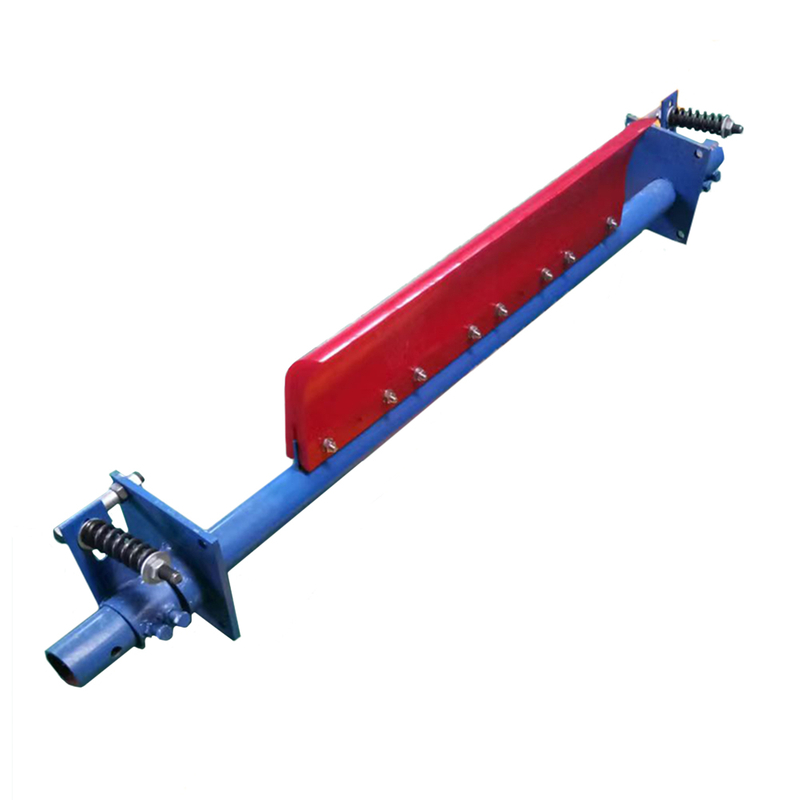
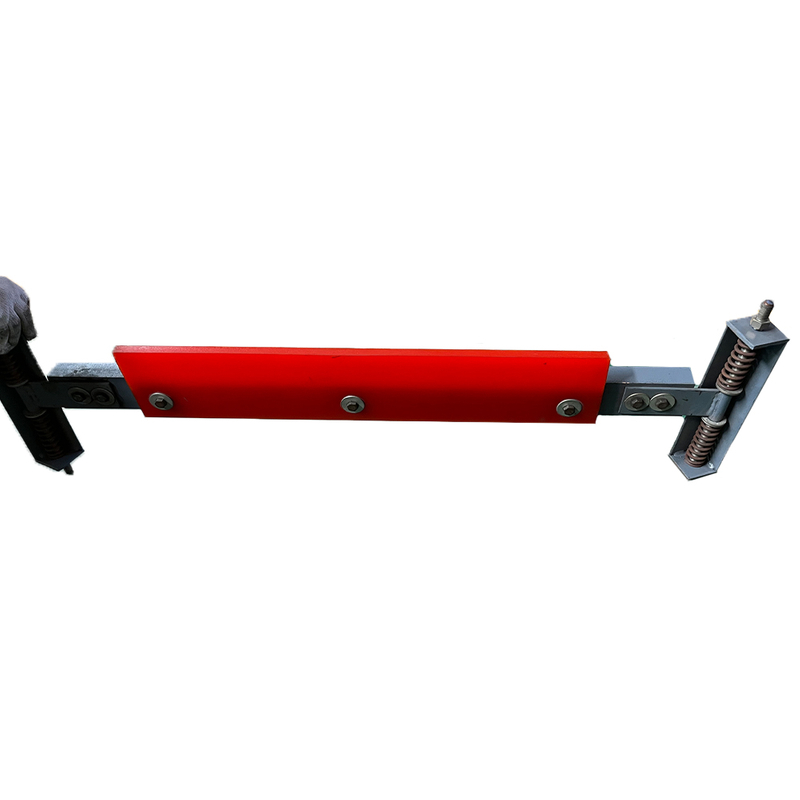
Cleaners and scrapers often produce the highest reliability return because they control carryback, and carryback is the fuel that drives contamination, drag, and accelerated wear across idlers, pulleys, and return structures. Cleaner tension must be balanced, because excessive tension increases belt wear and power draw, while insufficient tension leaves carryback behind, and the best practice is to verify consistent blade contact across the belt width, observe blade wear patterns for skew, and reset after tracking changes or belt repairs so the cleaning system matches the belt’s running position. Secondary cleaners can help when fines persist, and belt plows can reduce material accumulation on the return, but their effectiveness depends on correct positioning and maintenance discipline rather than simply adding hardware. When cleaning systems are optimized, sites often see reduced spillage cleanup, reduced bearing contamination, and improved tracking stability, which together extend belt life and reduce the maintenance burden that steals time from proactive work.
Transfer points are high-energy zones where impact, abrasion, and flow bias can combine, so small design or maintenance issues here often create outsized belt damage, and a focus on centered loading and controlled trajectories provides long-term protection. Centered discharge reduces edge stress and tracking drift, while appropriate liners prevent metal-to-belt contact that can cut covers, and effective sealing and skirting reduce spillage recirculation that feeds contamination along the return. Rock boxes can reduce impact by slowing and redirecting material, but they require correct shape and liner maintenance to prevent them from becoming sources of skewed flow and uneven wear. If your logs show repeated belt damage near a transfer, treat it as a design control problem, because improving chute geometry, liner layout, and support can reduce repairs far more effectively than repeated patch work.
A maintenance system fails when it feels inconsistent, so a cadence that crews can follow every shift, every week, and every month creates reliability gains by ensuring that small problems are found before they multiply into large events. Shift inspections should emphasize quick, high-signal observations like tracking stability, carryback growth, unusual noises, and obvious cover damage, while weekly inspections should verify cleaner function, lagging condition, idler health, and loading zone integrity, and monthly inspections should address alignment checks, tension system condition, and structural issues that influence long-term stability. The key to enforceability is simplicity, because a checklist that takes too long will be skipped, and a checklist that is too vague will not produce actionable findings, so define pass-fail criteria and keep the list tight enough to fit real operations. When cadence and criteria are stable, managers can compare trends across weeks, link failures to leading indicators, and justify targeted upgrades with clearer evidence.
Measurement turns observations into decisions, but it only works when you track a few meaningful indicators that predict failures early, and when you define how teams respond when indicators move in the wrong direction. Belt health indicators can include cover wear depth by zone, edge fray length and location, splice temperature or visible defects, and repair frequency, while component health indicators can include idler temperature hotspots, bearing noise counts, lagging wear area, and cleaner adjustment frequency. Operating condition indicators can include moisture events, throughput peaks, start counts, and changes in ore characteristics (validation required), because these variables influence abrasion, impact, contamination, and tension demand. The point is not to build a perfect database, because it is to build a decision loop where a rising trend triggers a specific action, such as cleaner tuning, chute inspection, or targeted idler replacement, so the system learns and improves rather than repeating the same failures.
Lubrication sounds simple, but harsh mines create conditions where grease selection, grease quantity, and contamination control can make the difference between predictable component life and frequent, random failures. Too much grease can blow seals and invite dust intrusion, while too little grease can cause heat buildup and accelerated wear, so teams should standardize grease type where possible, standardize application intervals, and keep grease points clean before application to avoid injecting contamination. However, lubrication alone cannot solve contamination-driven failures, because if carryback is heavy and moisture is high, bearings and seals will see abrasive exposure that overwhelms minor lubrication differences, so combine lubrication discipline with aggressive carryback control and sealing improvement in the highest-risk zones. When lubrication and contamination control work together, idlers last longer, rolling resistance stays lower, tension needs stabilize, and belt life improves as a downstream benefit rather than a separate project.
Alignment quality determines how often you fight tracking, how stable your cleaning system remains, and how evenly wear distributes across the belt, so it becomes an “invisible” belt-life factor that many sites underestimate until chronic issues force repeated adjustments. Laser alignment can be justified for long conveyors, complex drives, and systems that show recurring tracking drift after shutdowns, while disciplined manual methods can work well for shorter runs when teams use string lines, verify squareness, and repeat checks after structural work. The most important point is consistency, because alignment done “almost right” still creates bias forces that the belt experiences every cycle, and those forces translate into edge wear, splice stress, and higher maintenance effort. When you invest in alignment once and then preserve it through controlled change management, you reduce the constant micro-adjustments that often create new problems.
Comment: Align once with discipline, because chasing tracking every week is hidden cost.
Commissioning prevents early-life failures by confirming that the belt runs stably under controlled conditions before you expose it to full production variability, and it also establishes a baseline that makes later diagnostics faster. A solid commissioning approach runs the belt empty first, ramps load slowly, verifies tracking at several points along the line, re-checks cleaner tension after run-in, confirms take-up position sits within range, and inspects the splice after the first hour and again after the first shift to catch early signs of heat, noise, or drift. This process may feel slower on day one, but it saves time later, because most repeat failures trace back to skipped commissioning checks that would have caught a misalignment, an incorrect cleaner setting, or an early splice issue before it escalated.
Prompt: Treat commissioning like a reliability test, because it prevents early repeat repairs.
Impact damage often begins at the loading zone where material drops, accelerates, and strikes the belt, so effective load support and drop-height control can extend belt life more than many downstream fixes. Impact beds or impact idlers support the belt under load, reduce flexing and bounce, and help prevent punctures, while well-maintained skirting and sealing reduce spillage and keep fines from being dragged into the return system. Liner selection matters because exposed steel edges can cut belt covers quickly, and changes in ore size distribution or drop height can increase impact beyond what the belt and support system were designed to handle, so periodic review of loading conditions is a practical reliability habit. When loading is controlled, the belt sees fewer gouges, cords remain protected, and splices face fewer shock events, which improves long-term durability.
Repair decisions often fail when they focus only on immediate material cost, because the real cost driver is downtime risk and the probability of repeat failure, so a simple model that includes production loss, repair durability, and remaining belt condition usually produces better business outcomes. Start by estimating downtime hours per incident, then apply a site-specific cost per lost hour (validation required), then compare repair options based on expected life and risk, and finally incorporate remaining belt cover thickness, cord condition, and splice history so you do not invest repeatedly in a belt that is near end-of-life. Frequent patches can signal that replacement is cheaper, not because patches are always bad, but because repeated localized damage suggests that the belt has lost margin and that the root cause may not be fully controlled, which raises the likelihood of a larger tear. When this model becomes routine, procurement and operations can align on planned shutdown replacement rather than repeated emergency work.
Decision factor | Low concern suggests repair | High concern suggests replacement |
Downtime risk | Short stoppages, easy access | Long stoppages, complex access |
Damage type | Cover-only cuts, limited area | Cord damage, long tears, repeated failures |
Remaining belt life | Plenty of cover and stable splices | Thin cover, multiple splice issues |
Root cause control | Cause corrected and verified | Cause uncertain or still present |
Repair durability | Proven method for conditions | Repair method mismatch or low confidence |
Spares strategy determines how long your line stays down when something fails, and harsh sites usually suffer longer delays because access is harder, supplier lead times can be longer, and weather can block transport, so critical spares should be planned around failure history rather than habit. For belt survival, the most valuable spares often include cleaner blades and tension hardware, idlers for the dirtiest return zones, lagging repair materials for traction recovery, splice kits that match your belt construction, skirt rubber, and key liner segments for transfer points, because these items directly influence contamination, tracking, slip, and impact damage. Store spares near the line where practical, label them by conveyor number, and rotate stock to prevent aging or degradation, because the worst time to discover a missing or expired consumable is during an emergency. When spares are aligned to the threat map and to incident logs, repair quality improves and downtime becomes more predictable.
Post-repair verification is the step that transforms a repair into a reliability improvement, because it confirms that the root condition is corrected and that the repaired belt behaves normally under load rather than surviving only the first minutes after restart. A strong verification process confirms tracking stability for at least 30 minutes, scans idlers and pulleys for abnormal heat, watches carryback patterns after load ramp, listens for splice noise or thumping, and schedules a follow-up inspection within 24 hours, because early run-in often reveals small issues that can be corrected quickly. This verification also produces learning, since teams can record which conditions preceded the failure and which corrective actions prevented recurrence, and that learning becomes the foundation for better preventive routines and smarter upgrades. When verification is consistent, repeat failure frequency drops, and maintenance time shifts from emergencies to planned work.
Extending belt life in harsh environments is a discipline problem more than a mystery problem, because the same few forces—abrasion, contamination, impact, misalignment, slip, and tension drift—cause most early failures, and the sites that manage those forces systematically usually see longer belt life, fewer emergency stops, and lower total cost. Hebei Dizhuo Rubber & Plastic Products Co., Ltd recommends mapping threats by zone, enforcing short shift checks for carryback and tracking, stabilizing alignment and tension, and choosing repair methods that match moisture, dust, and temperature. Add targeted upgrades at chronic failure points and verify after repairs to prevent repeats, then pilot one Mining Conveyor line and scale what works sitewide.
A: Abrasion, heavy carryback, impact loading, and poor tension control.
A: Regular tracking checks, cleaner tuning, and early idler replacement reduce wear.
A: Root causes like misalignment or contamination were not fully corrected.
A: The best choice depends on moisture, dust, temperature, and downtime limits.
A: If repeat downtime costs exceed repair value, replacement is often smarter.


