

Views: 0 Author: Site Editor Publish Time: 2026-04-23 Origin: Site


Screening efficiency is critical in industries that handle sticky and moist materials, such as mining, recycling, and waste treatment. Traditional screening methods often fail to meet the demands of processing wet, sticky, or fine particles, leading to inefficiencies and increased downtime. This article will explore how Polyurethane Flip Flow Screens can significantly improve the efficiency of screening such materials, addressing the challenges they present. By understanding how these screens work and implementing best practices, companies can optimize their operations and reduce maintenance costs.
Handling sticky and moist materials in screening operations comes with several challenges that can hinder overall efficiency. These materials tend to cling to the screen surface, causing blockages, uneven material flow, and a loss of screening effectiveness. Below are some of the main challenges:
Challenge | Impact |
Material Buildup | Sticky or wet materials accumulate on the screen surface, causing clogging and reduced throughput. |
Caking of Materials | Moist materials can cake and form solid masses, making it difficult for particles to pass through the mesh. |
Decreased Screen Efficiency | Blockages and uneven material flow decrease screening effectiveness, leading to longer processing times. |
Increased Maintenance | More frequent cleaning and maintenance are required when traditional screens are used for sticky or moist materials. |
These challenges make it clear that traditional rigid screening systems—such as steel or mesh-based screens—struggle in such conditions. Polyurethane Flip Flow Screens, however, are specifically designed to overcome these issues with their self-cleaning abilities, flexibility, and resistance to wear.
Polyurethane Flip Flow Screens are an advanced solution designed to improve screening efficiency, especially for sticky and moist materials. These screens stand out due to their unique characteristics, which directly address the challenges posed by wet and sticky substances.
· Elasticity and Flexibility: Polyurethane is a flexible material that allows the screen to deform and "flip" under vibration. This action prevents material buildup by dislodging particles and allowing them to pass through the mesh.
· Self-Cleaning Action: The flexibility of polyurethane ensures that the screen surface remains free of sticky material buildup. This self-cleaning property reduces downtime and maintenance efforts, which are common issues with traditional rigid screens.
· Durability and Resistance: Polyurethane’s high wear resistance makes it ideal for harsh screening conditions. Unlike steel, it doesn’t rust or corrode when exposed to moisture, extending the lifespan of the screen in wet environments.
· Vibration Control: Polyurethane Flip Flow Screens are designed to work with high-frequency vibrations that keep the material moving. The unique flipping motion is particularly effective at breaking down clumps of sticky material, ensuring efficient separation.
These properties make Polyurethane Flip Flow Screens an excellent choice for industries processing materials such as coal, slurry, sand, sludge, and other wet or sticky substances.
To maximize the performance of Polyurethane Flip Flow Screens, operators must implement several best practices. These practices help ensure that the screens work at peak efficiency, reducing material buildup and preventing unnecessary wear.
A correct installation setup is crucial for maximizing the efficiency of Polyurethane Flip Flow Screens. It ensures that the screen operates at optimal vibration frequencies and minimizes unnecessary strain on the material.
· Screen Positioning: Ensure the screen is aligned correctly to facilitate even material distribution across the entire surface.
· Vibration Settings: Set the vibration frequency and amplitude according to the material being processed to optimize the flipping action.
Cleaning and maintenance are essential for keeping the screen in top condition. The self-cleaning action of Polyurethane Flip Flow Screens reduces the need for manual cleaning, but regular inspection is still necessary.
Maintenance Task | Frequency | Benefit |
Screen Inspection | Daily | Identifies early signs of wear or material buildup. |
Lubrication of Moving Parts | Monthly | Reduces friction, preventing wear on bearings and shafts. |
Cleaning of Material Residue | After each shift | Prevents clogging and ensures continuous operation. |
Proper vibration is key to the screen’s performance. Ensure that the vibrators are functioning within the specified range, and regularly check for any irregularities in vibration that could reduce efficiency. Proper vibration helps the screen maintain its self-cleaning action and enhances material separation.
Choosing the right design and configuration for Polyurethane Flip Flow Screens can greatly impact their efficiency, particularly when processing sticky and moist materials. Below are design considerations for optimizing screen performance.
The mesh size plays a vital role in the efficiency of the screen. A mesh that is too small can become clogged with sticky particles, while one that is too large may fail to capture the desired material.
· Fine Mesh: Ideal for separating smaller particles, but requires more frequent cleaning when processing wet materials.
· Larger Mesh: Better for larger material but may miss finer particles.
Screening efficiency can be optimized by adjusting the following operational parameters:
· Vibration Frequency: For sticky materials, a higher vibration frequency helps keep the material moving and prevents buildup.
· Material Flow Rate: Adjusting the flow rate can prevent overloading the screen, which can lead to clogging and inefficiency.
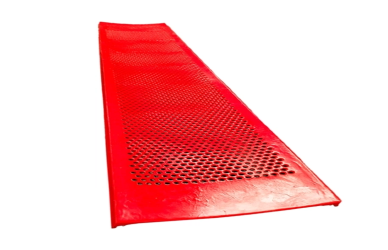
In many screening operations, pre-screening or conditioning materials before they enter the Polyurethane Flip Flow Screen can significantly improve the overall efficiency of the screening process. Pre-screening helps to reduce the load on the screen, ensuring that only the necessary materials are processed, leading to better separation and minimizing blockages. By preparing materials before screening, companies can ensure smoother operations and maximize throughput.
Pre-conditioning materials before they enter the screen is essential for improving material flow and reducing issues such as clogging or inefficient separation. Below are some effective techniques used to prepare materials for better screening:
Drying materials before screening can be extremely effective in reducing their viscosity and stickiness. Moist or wet materials often cause issues like clogging, buildup, and inefficient screening because they cling to the screen surface. By removing excess moisture through drying, materials become more granular and easier to separate.
· How it Works: Drying lowers the moisture content, making sticky substances less viscous and more easily processed.
· Benefits: Helps maintain consistent material flow, reduces the risk of clogging, and improves separation efficiency.
Using certain chemical additives or agents can also significantly improve material flow before screening. These additives are designed to reduce the stickiness or viscosity of wet and sticky materials, making them easier to separate on the screen.
· How it Works: Additives like surfactants or defoamers can break down the molecular structure of sticky substances, reducing their adhesion and making them more fluid.
· Benefits: Enhances material flow, prevents clogging, and ensures smoother screening performance.
Pre-screening is a crucial step that helps ensure only the appropriate materials enter the screening process. By separating large particles or removing undesirable substances, pre-screening can significantly enhance screening efficiency.
· Reducing Material Load: Pre-screening allows you to remove oversized or unnecessary particles, ensuring that the Polyurethane Flip Flow Screen only processes materials that are within the desired size range. This reduces the load on the screen, preventing overloading and improving performance.
· Enhancing Material Consistency: Pre-screening ensures that materials are more uniform in size and consistency before entering the screen. This makes the screening process more predictable and effective, leading to better separation of finer particles and improving the overall quality of the screened output.
Polyurethane's elasticity and self-cleaning action are key features that help prevent sticky materials from adhering to the screen. The flexible polyurethane surface allows the screen to deform and flip under vibration, dislodging materials and ensuring smooth material flow. This motion helps to prevent clogging and keeps the screen operating efficiently even with challenging materials like wet clay or sticky slurry.
To optimize the vibration settings for sticky materials, it is recommended to increase vibration frequency. Higher vibration frequency causes the screen to vibrate more intensely, helping to keep sticky materials in constant motion and preventing them from sticking to the screen. Additionally, adjusting the vibration amplitude may help achieve more effective separation, ensuring that the materials pass through the mesh without clogging.
Yes, pre-screening materials to reduce moisture or stickiness before they enter the Polyurethane Flip Flow Screen can significantly enhance screening efficiency. Drying or conditioning materials can make them flow more freely and reduce the risk of clogging, allowing the screen to operate smoothly. Pre-treatment techniques like chemical additives can also help reduce the stickiness of the materials, ensuring better material separation and higher throughput.
While Polyurethane Flip Flow Screens have self-cleaning properties, regular cleaning is still necessary, especially when handling wet materials. It’s recommended to clean the screen after each shift or material batch to maintain optimal performance and prevent any material buildup. Frequent cleaning ensures that the screen continues to operate at its best, preventing clogging and ensuring smooth, uninterrupted material flow throughout the day. Regular inspection during cleaning also helps catch any early signs of wear or damage.
Maximizing the screening efficiency of sticky and moist materials requires the right equipment, proper setup, and regular maintenance. Polyurethane Flip Flow Screens excel in these challenging environments due to their unique features, such as self-cleaning action, flexibility, and high wear resistance. By following best practices, adjusting screen designs, and employing pre-screening techniques, businesses can significantly enhance their material handling processes, reduce downtime, and improve overall productivity.
Companies like Hebei Dizhuo Rubber & Plastic Products Co., Ltd. play a pivotal role in providing durable and efficient polyurethane solutions that help industries handle sticky and moist materials with ease, ensuring long-term success and operational efficiency.


