

Views: 0 Author: Site Editor Publish Time: 2026-04-15 Origin: Site


Polyurethane Flip Flow Screens are innovative screening solutions that have become increasingly essential in industries where traditional screening methods struggle to perform efficiently. These screens are designed to handle materials that are difficult to process using conventional screens, such as wet, sticky, or fine particles. By utilizing advanced polyurethane materials, Flip Flow Screens offer superior durability and performance compared to their metal and rubber counterparts. In industries like mining, coal processing, recycling, and construction, effective screening technology is vital for separating valuable materials, improving operational efficiency, and reducing downtime.
Traditional screening systems, such as woven mesh and rigid screens, often face issues like clogging, low throughput, and high maintenance costs when dealing with challenging materials. The inability to effectively manage wet, sticky, or fine particles leads to frequent screen blockages and inefficient material separation, resulting in delays and higher operational costs. Polyurethane Flip Flow Screens provide a solution to these common problems, offering enhanced efficiency, longer service life, and reduced maintenance, making them a preferred choice in modern industrial screening applications.
A Polyurethane Flip Flow Screen is a specialized type of screening system designed for efficient separation of challenging materials, such as wet, sticky, or fine particles. Made from highly durable polyurethane, these screens are capable of handling materials that often cause blockages in traditional screening methods. The core feature of a Flip Flow Screen is its ability to flex and "flip" in response to vibration, allowing it to maintain an effective screening action even when dealing with materials that tend to clog other types of screens.
Polyurethane Flip Flow Screens work by using vibration to generate an elastic, oscillating motion that causes the screen to deform. This deformation helps to keep the material moving, preventing it from sticking to the screen surface and allowing for continuous separation. The flexibility of the polyurethane material enhances the screen’s ability to self-clean, improving efficiency and reducing maintenance.
Polyurethane Flip Flow Screens offer significant advantages over traditional screening systems such as woven mesh and rigid steel or rubber screens. Traditional screens, while effective in many applications, often struggle when handling wet, sticky, or fine materials. These materials tend to clog the screen, reducing throughput and requiring frequent cleaning or replacement. In contrast, Polyurethane Flip Flow Screens are specifically engineered to handle these challenging materials by utilizing the flexibility and elasticity of polyurethane.
The key differences include:
· Self-Cleaning Action: Unlike traditional screens, which often require manual cleaning due to material buildup, Flip Flow Screens use their elastic properties to prevent clogging, maintaining continuous operation.
· Durability: Polyurethane is more wear-resistant and longer-lasting than conventional materials like steel and rubber, offering a much longer service life, especially in harsh working environments.
· Enhanced Screening Performance: The dynamic flipping motion of the screen helps to increase the efficiency of material separation, particularly for fine or sticky particles that would otherwise be problematic for traditional systems.
Polyurethane Flip Flow Screens are designed to overcome the limitations of traditional screening systems, offering several key benefits that make them ideal for challenging materials in industries like mining, recycling, and construction.
A major advantage of Polyurethane Flip Flow Screens is their self-cleaning action. The flexibility of the polyurethane material allows the screen to "flip" or oscillate under vibration, preventing material buildup and clogging. This continuous motion ensures that the screen remains clear and operational without the need for frequent manual cleaning, a common issue with traditional rigid screens.
Polyurethane Flip Flow Screens are highly durable, offering excellent tensile strength. Compared to materials like steel and rubber, polyurethane is more wear-resistant and can withstand harsh conditions, such as heavy vibration and abrasive particles. This makes them ideal for mining and construction environments, where the screen must endure tough operating conditions over time.
These screens excel at handling wet, sticky, and fine materials that often cause traditional screens to clog. The unique flipping motion combined with the elasticity of polyurethane ensures that materials with high moisture content or sticky properties are efficiently separated, making these screens perfect for mining, coal processing, and recycling applications.
The combination of durability and self-cleaning action extends the lifespan of Polyurethane Flip Flow Screens. Their robust design requires less maintenance, reducing downtime and overall maintenance costs. This makes them a cost-effective choice for industries where high uptime is crucial.
Polyurethane Flip Flow Screens are designed for efficient material separation, especially for difficult materials like wet, sticky, or fine particles. The principle behind these screens relies on their dynamic structure and unique motion.
The screen's flip-flow movement is the key to its operation. The polyurethane material allows the screen to vibrate and deform, causing a flipping or oscillating motion. This motion keeps the material moving, preventing it from sticking or clogging. The finer particles fall through the openings, while larger ones are carried forward for further processing. This is especially effective for sticky or clumping materials like wet clay or fine coal.
The vibration applied to the screen creates the flip-flow action, which serves several purposes:
· Breaking material clumps: Vibrations help break up clumps, allowing for better separation.
· Maintaining material flow: Vibration keeps materials in motion, preventing blockages.
· Increasing throughput: It improves the flow of materials through the screen, increasing processing capacity.
This continuous vibration ensures smooth, uninterrupted operation.
The deformation of the polyurethane screen plays a crucial role in preventing clogging. The screen's elasticity allows it to stretch and bend under vibration, creating a bouncing motion. This ensures that materials don’t stick to the surface, and the screen openings expand and contract slightly, dislodging any material that could block the mesh. This dynamic action ensures continuous, efficient screening of challenging materials.
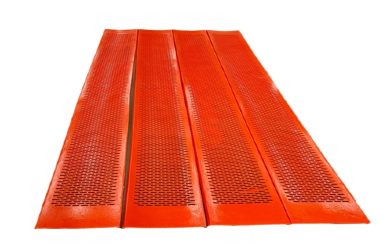
Polyurethane Flip Flow Screens are highly effective in handling materials that are difficult to process with traditional screens. Their unique design makes them ideal for several industries, including mining, coal processing, environmental applications, and recycling.
In the mining industry, particularly in coal processing, Polyurethane Flip Flow Screens are used for screening fine, wet, or sticky materials like coal fines and ores. These screens excel at separating materials of varying sizes, preventing blockages common in traditional mesh screens. Their self-cleaning action and durability make them perfect for continuous operation in harsh environments, where downtime and maintenance are costly.
Polyurethane Flip Flow Screens are also used in waste and sewage treatment, efficiently separating solid waste from liquids. They handle wet and sticky materials like sludge and fine particles in wastewater, offering superior performance where traditional screens would clog. Their flexibility ensures better separation, improving the treatment process.
In recycling and construction material industries, these screens separate fine particles from larger debris, such as in the processing of construction waste or aggregates. Their high efficiency makes them ideal for recovering valuable materials like metals, glass, and plastics. Additionally, their ability to handle both wet and dry materials increases flexibility and efficiency in construction material screening.
Feature | Polyurethane | Steel | Rubber |
Durability | Highly durable and resistant to wear and tear | Less durable, prone to rust and corrosion | Good durability but wears faster than polyurethane |
Resistance to Abrasion | Excellent abrasion resistance, ideal for tough materials | Susceptible to abrasion and wear in harsh environments | Good abrasion resistance, but inferior to polyurethane |
Elasticity | Highly elastic, allows for self-cleaning and deformation | Rigid, no elasticity | Moderate elasticity, not ideal for self-cleaning |
Handling Wet/Sticky Materials | Excellent for wet and sticky materials due to elastic properties and self-cleaning ability | Poor performance with wet, sticky materials; prone to clogging | Performs better than steel but not as effectively as polyurethane |
Maintenance | Low maintenance due to self-cleaning and high durability | Requires frequent maintenance due to corrosion and wear | Moderate maintenance, but wear rate is higher than polyurethane |
Temperature Resistance | Performs well in a wide range of temperatures (-40°C to 60°C) | Vulnerable to extreme temperatures, especially heat | Good temperature tolerance, but inferior to polyurethane |
Cost | Generally higher upfront cost, but cost-effective in the long term due to reduced maintenance | Lower initial cost, but higher maintenance and replacement costs | Moderate cost, but less cost-effective over time compared to polyurethane |
Lifespan | Longer lifespan in harsh conditions | Shorter lifespan due to corrosion and wear | Moderate lifespan, but less than polyurethane |
Polyurethane Flip Flow Screens are low-maintenance but still require some care to ensure optimal performance and longevity. Below are key practices for maintenance and tips to extend the lifespan of the screens.
Regular Cleaning
Periodically clean the screen to prevent material buildup, even though the screen has self-cleaning properties. This ensures smooth material flow.
Inspection for Wear
Regularly check for signs of wear, such as cracks, holes, or deformation. Focus on areas exposed to the most vibration or abrasion.
Monitor Vibration
Ensure the screen’s vibration system is working properly. Irregular vibrations can cause excessive wear and decrease efficiency.
Tighten and Lubricate
Tighten any loose bolts and lubricate moving parts like vibrators to reduce friction and wear.
Proper Installation
Ensure correct installation and alignment to prevent strain on the screen, following the manufacturer’s guidelines.
Avoid Overloading
Do not exceed the screen’s capacity. Overloading can cause premature wear and failure.
Control Environmental Conditions
Limit exposure to extreme temperatures, abrasive particles, or corrosive materials to prevent screen degradation.
Replace Damaged Components
Replace worn or damaged parts, such as polyurethane panels or vibrators, to avoid further damage and ensure continued performance.
Use in Appropriate Applications
Ensure the screen is used for suitable materials and conditions to prevent accelerated wear.
Polyurethane Flip Flow Screens are used for efficiently separating wet, sticky, or fine materials in industries like mining, construction, and recycling.
The screen uses vibration to create an elastic, flipping motion that ensures materials pass through without clogging, making it ideal for handling tough materials.
Polyurethane screens are more durable, resistant to wear, and offer superior performance in wet and sticky material screening, with less clogging compared to traditional screens.
Regular cleaning, inspection for wear, and checking for any physical damage are key to maintaining optimal performance and extending the screen's lifespan.
Polyurethane Flip Flow Screens represent a significant advancement in screening technology, offering unparalleled efficiency and durability for handling difficult materials. As industries like mining, recycling, and construction continue to face challenges with wet, sticky, and fine materials, the need for reliable, cost-effective screening solutions is becoming increasingly important. The self-cleaning action, high tensile strength, and reduced maintenance requirements of Polyurethane Flip Flow Screens make them a vital tool in improving operational efficiency and reducing downtime. Companies like Hebei Dizhuo Rubber & Plastic Products Co., Ltd. are leading the way in providing these innovative solutions, helping industries tackle the toughest screening challenges. Looking ahead, as demand for high-performance, sustainable solutions grows, Polyurethane Flip Flow Screens will continue to play a crucial role in shaping the future of material separation technology.


