

Views: 0 Author: Site Editor Publish Time: 2026-03-14 Origin: Site


If your belt stops, the whole mine waits. A Mining Conveyor must match the ground. Hard rock punishes with impact and abrasion. Underground punishes with space and fire risk.In this article, we break the choice down. You’ll learn layouts, specs, safety, and TCO.
Hard rock operations often run long routes in open air, and they usually push higher tonnage rates, which means higher belt tensions, stronger drive requirements, and bigger consequences when a single transfer point fails. Loading zones in hard rock can see sharp, high-energy impacts, so designers must protect the belt using impact beds, proper chute geometry, and controlled drop heights, or they will see tears, edge damage, and splice failures that repeat. Abrasion is also constant, especially near crushers and screens, so liners, skirting, and belt cover grades matter more than “standard” choices.
Underground operations face the opposite kind of pressure, because space and access constraints can force narrower belts, shorter structures, tighter curves, and more frequent system changes as headings advance. Ventilation limits raise the value of dust suppression and sealed transfers, because dusty air affects safety and productivity, and heat rejection can also limit drive choices in some layouts. Fire risk and ignition control become central underground, so belt properties like flame resistance and anti-static behavior, plus robust emergency stop coverage and guarding, are not optional “extras” but core design requirements.
Material behavior decides most conveyor problems, because it controls wear, spillage, dust generation, and cleanup labor, and those issues compound into downtime. Abrasive ore accelerates belt cover wear and chews through chute liners, while wet or sticky ore increases carryback that then builds up on idlers and pulleys, which can trigger mistracking, belt slip, and overheated bearings. Fine ore can leak from poorly sealed skirting and transfers, so even a high-capacity conveyor can lose effective throughput if spillage forces slowdowns and cleanup stops. Large lumps and sharp fragments can also tear belts in the loading zone, especially when drop height is too high or material is not centered on the belt.
To keep selection grounded, start by capturing “worst-case” material ranges rather than average values, because averages hide the exact days that break belts and blow up budgets. Ask these early questions and keep the answers visible in the spec package: How abrasive is the ore based on lab index (validation required), what is top lump size after blasting and crushing, how moisture swings by season, and what share of fines pass 5 mm during peak operation (validation required). Those facts directly influence belt cover grade, carcass choice, idler spacing, impact protection, and chute design, so getting them wrong forces expensive redesign later.
Hard rock sites often perform best using fixed, high-capacity systems, because stable routes and high tonnage reward durable infrastructure that reduces truck dependency. Overland belt conveyors are common for long haul routes to a plant or stockpile, because they can reduce diesel use and simplify traffic management, and they usually support consistent operating cost per ton when designed properly. Rugged transfer stations become critical around crushers and screens, because surges and variable feed can trigger plugging, spillage, and belt damage if chute geometry and liner selection are weak, so “transfer design” should be treated as a primary system rather than a side detail. Some hard rock sites also use semi-mobile or mobile transfer conveyors to support pit moves, but they still rely on heavy-duty loading and wear control to avoid frequent belt changeouts.
Underground mines often need modular systems that can adapt as the face advances, because fixed routes can become obsolete quickly and access limits make major rebuilds costly. Panel conveyors move material from advancing faces, trunk conveyors move it toward shafts or portals, and feeder networks connect headings into a central haul line, so the best architecture often looks like a staged system rather than one continuous run. Because underground layouts may require tighter curves and shorter segments, take-up placement, tension control, and belt tracking systems must be planned carefully, or the system will spend too much time in correction mode instead of production mode.
Layout drives uptime more than nameplate capacity, because bottlenecks usually form at transfer points, loading zones, and maintenance access pinch points, not at the belt’s advertised “maximum.” A single long run can reduce transfer points and dust leaks, which often reduces spillage and cleanup, but it also increases the consequence of a single failure because the whole route can stop. Multiple flights add transfer points and dust risk, yet they can isolate failures and shorten repair time, especially when access is limited and crews must work around production schedules.
Use practical layout rules that reflect what crews actually face: reduce transfers when dust control is difficult, add flight segmentation when access is constrained, keep chutes short but serviceable, and place take-ups where crews can reach them safely and quickly. Then pressure-test the layout using a bottleneck checklist: Do chutes have inspection doors and safe platforms, can crews replace idlers without awkward lifts, are loading zones protected against mistracking, and are belt cleaners sized for fines and moisture. If a layout fails these checks, it may run well for a month, yet it will drift into chronic spillage and tracking issues that drain availability.
Factor | Hard Rock Mining | Underground Mining |
Primary design pressure | High impact and abrasion | Space limits and fire-risk controls |
Common route pattern | Long runs, open environment | Tight drifts, staged segments |
Typical downtime trigger | Wear, chute plugging, belt damage | Access delays, safety stoppages, tracking issues |
Top design priority | Durable loading and transfers | Safe belt properties and maintainable layout |
Best early investment | Liners, impact zones, cleaning | Sealing, FRAS compliance, access planning |
Belt choice drives risk and lifetime cost, so base it on test data, proven references, and site constraints, not a supplier’s “standard.” In hard rock, prioritize impact resistance and abrasion performance, because wrong cover grade or carcass choice triggers fast failures; EP/NN suits many medium-duty routes, while steel cord fits long, high-tension runs by reducing elongation and take-up travel. Underground selection often hinges on safety, since many sites require flame-retardant and anti-static properties that align with local rules (validation required); FRAS reduces flame spread risk, and anti-static behavior lowers ignition risk. Specify width and speed (validation required), carcass type, cover grade, FRAS/anti-static ratings, and splice method with crew training, and treat vague vendor explanations as a real risk signal.
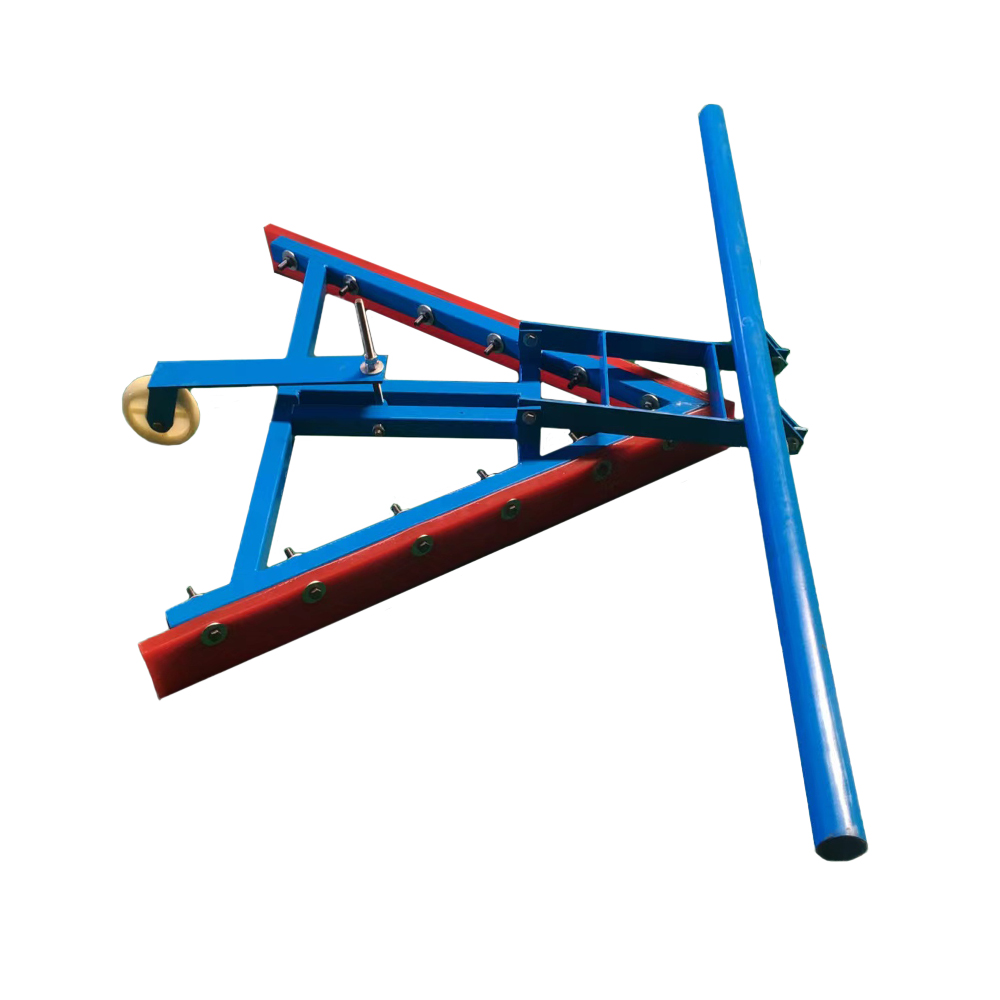
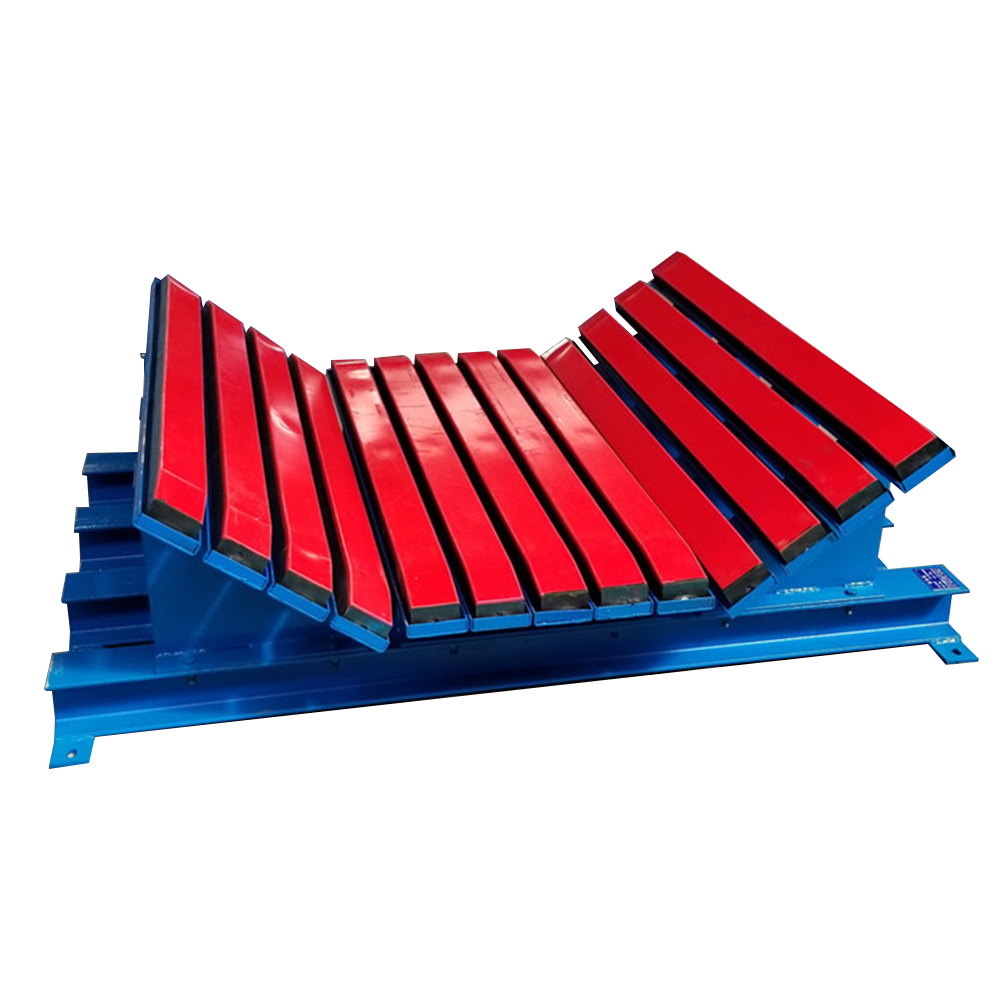
Components decide whether the belt survives real operation, because most failures start at interfaces where material meets steel, or where poor access forces rushed maintenance. Impact beds protect loading zones from shock loads, skirting reduces spillage and airborne dust, idlers must match load and contamination levels, pulleys must match tension and wrap requirements, and belt cleaners control carryback that otherwise becomes buildup, mistracking, and overheating. In hard rock operations, impact zones and wear liners often produce the biggest return, because they prevent belt tears and reduce chute plugging, while in underground operations, sealing and cleaning often deliver fast value because they reduce dust load and keep walking surfaces safer.
Prioritize a few upgrades that consistently protect availability: use impact beds plus sacrificial liners at impact zones, add tracking controls such as training idlers and alignment switches where mistracking risk is highest, install effective primary and secondary cleaners sized for your fines content, and seal transfers using proper skirting geometry rather than improvised rubber strips. Also specify maintenance access platforms and guard design as part of the component package, because “optional” access often becomes the hidden driver of downtime and safety risk.
Underground conveyor safety requires layered controls, because failure consequences increase in confined spaces, and crews need clear procedures that work during real breakdowns. Fire risk drives belt choice, housekeeping, and monitoring, so teams should treat FRAS compliance and anti-static control as core design factors rather than paperwork steps. Emergency stop systems must be reachable along walkways, pull cords should be tested and logged, guards must protect nip points and pulleys, and lockout-tagout steps must match how crews actually isolate energy during repairs. If the system design forces crews into awkward positions to replace idlers or adjust cleaners, safety risk rises and maintenance quality drops, so access planning is a safety control, not only a productivity feature.
Practical underground controls often include grounding and bonding for static control, temperature monitoring near drives and bearings, and routine cleanup to reduce combustible dust loads, because dust accumulation can turn minor friction problems into significant hazards. Also plan the inspection workflow, including how often crews check critical points, how they document pull cord tests, and how they escalate repeated mistracking events, because “we have safety devices installed” means little if no one tests them under production conditions.
Dust steals throughput and adds health risk, while spillage drives cleanup cost and slip hazards, so dust and spill control should be treated as an ROI lever, not a compliance tax. Many sites focus on dust suppression at the crusher, yet transfer points and loading zones often generate the persistent dust that affects crews all shift, so sealing and cleaning often deliver better results than occasional watering. High-value controls include chute sealing and well-fitted skirting, water spray or foam at critical transfers, correct cleaner placement and blade tension, and return plows that protect pulleys from carryback. These choices reduce cleanup hours, cut idler buildup that triggers mistracking, and lower airborne dust near walkways, which can reduce incident risk and improve inspection efficiency.
A simple way to prioritize is to map dust sources by transfer point, then rank them by exposure time and cleanup burden, because the loudest dust cloud is not always the biggest productivity drain. When you improve dust and spillage control, you often improve belt life and tracking stability as a side benefit, because cleaner belts run cooler, track better, and keep sensors and guards more effective.
Higher belt speed can raise capacity, yet it can also raise dust generation and wear at transfer points, so speed should be chosen using both capacity targets and environmental realities. Higher belt tension can support long runs and heavy loads, yet it increases splice stress and can raise the cost of pulleys, take-ups, and structure, so tension management is a reliability decision as much as a design calculation. Curves can save space, which helps underground layouts, yet they can increase tracking complexity and require more precise idler and belt selection, so curves should be justified by route constraints rather than convenience.
When comparing options, ask one hard question early: “What single failure stops the entire line,” because the answer guides redundancy choices, flight segmentation, and critical spares strategy. If a single drive failure stops all production, consider whether multiple drives, better condition monitoring, or staged flights reduce risk, and if a single plugged chute stops everything, invest in chute design and access that prevents repeated plugging. Reliability decisions often look expensive in capex, yet they can be cheap compared to lost tons during peak periods (validation required), so align reliability choices with the real cost of downtime at your site.
Cost driver | What to measure | Why it matters |
Belt life | Months to changeout | Drives planned shutdown cost and spares timing |
Wear parts | Liners and idlers per month | Predicts annual spend and outage frequency |
Labor hours | Cleanup and inspection hours | Shows hidden operating cost and exposure time |
Energy | kWh per ton moved | Drives long-run operating cost, especially overland |
Downtime | Lost tons per hour | Often the largest cost, especially during peaks |
Spares | Critical spares list and lead times | Reduces repair duration and avoids forced waits |
A strong specification reduces change orders and delays, because it sets clear expectations about performance, safety, and access, and it prevents “scope drift” after installation starts. Start by defining material data and route limits, then add safety requirements and growth capacity, because vendors can only design responsibly when they know your constraints. A structured spec packet should include material profile and variability ranges, a route map with elevations and curve limits, required safety features and certifications, target throughput plus peak surge case, environmental conditions and corrosion risk, and maintenance access requirements including platforms and guarding. When you specify access early, you avoid late-stage compromises that harm both safety and uptime.
Also define acceptance tests and commissioning steps, because successful startup depends on measurable criteria rather than optimistic timelines. Include tracking checks, full-load power readings, and dust and spillage checks at key transfers, and agree in writing on training and startup support, because many recurring issues trace back to rushed commissioning and undertrained crews. If your site uses contractors for splicing or specialized repairs, include that reality in the plan, because the best conveyor still fails if the support system cannot respond quickly.
Maintenance planning should match staffing and access, because a plan that looks great on paper can fail on the first night shift if tools and spares are not positioned correctly. Underground sites often need stronger spares discipline because access delays can turn minor repairs into long stoppages, while hard rock sites often need stronger wear monitoring because loading zones can consume liners and cleaners faster than expected. High-impact steps include standardizing idlers and bearings across flights to reduce inventory complexity, stocking critical spares near the conveyor line, adding safe inspection points and walkways, and monitoring misalignment and drive temperatures so teams catch failures early.
Use a field-friendly inspection routine that crews can actually follow: check belt tracking at each shift start, inspect cleaners and skirting weekly, verify emergency stops and pull cords monthly, and review drive temperature trends routinely. When you combine inspection discipline with access improvements, you reduce both downtime and safety risk, because crews can fix small issues before they become large failures, and they can work with better posture and clearer isolation steps.
The best Mining Conveyor choice comes from matching mine type constraints to system architecture and belt and component specifications, and partners like Hebei Dizhuo Rubber & Plastic Products Co., Ltd can support this process through application-focused belt and rubber component options when specifications require tighter alignment. Hard rock sites need strong impact and abrasion protection, while underground sites require compact design and strict fire-safety alignment for safer operations. Both environments demand smart layout, reliable transfer design, practical maintenance access, and strong dust and spillage control, because these factors drive real availability more than brochure capacity. Use the short decision path—material, route, constraints, safety, maintainability, then TCO—and validate each assumption using site data where possible (validation required), because that discipline prevents expensive redesign and reduces recurring downtime after commissioning.
A: A Mining Conveyor moves ore; hard rock needs abrasion control, underground needs fire-safe design.
A: Map material, route, access, then reduce transfer points and plan service platforms.
A: They cut flame and static risk, supporting safer underground compliance and operations.
A: Downtime, belt life, wear parts, energy use, and cleanup labor drive total cost.
A: Seal chutes, tune skirting, add cleaners, and control loading to prevent carryback.


