

Views: 0 Author: Site Editor Publish Time: 2025-11-15 Origin: Site


Imagine a device that can separate solids from liquids without any moving parts. That's the magic of a hydrocyclone. But what exactly is it, and how did it evolve over time? Hydrocyclones play a crucial role in industries like mining, oil, and water treatment. In this post, you'll learn what a hydrocyclone is, its history, and its industrial significance.
Understanding the components of a hydrocyclone helps to see how it separates solids and liquids efficiently. The main parts work together to create the swirling motion and direct the flow inside the device.
At the top of the hydrocyclone is a cylindrical section. This part holds the feed inlet, which is usually tangentially placed. The feed inlet allows slurry or liquid mixed with solids to enter the hydrocyclone at high speed. Because it is offset and tangential, the feed creates a spinning motion inside the cylindrical chamber. This spinning is essential for generating the centrifugal force that separates particles by density and size.
Inside the cylindrical section, a pipe called the vortex finder extends downward from the overflow outlet at the top. The vortex finder guides the lighter particles and liquid upwards and out through the overflow outlet. This outlet is where the cleaner liquid or fine solids exit. The diameter and length of the vortex finder affect how much material flows out as overflow and influence the separation efficiency.
Below the cylindrical section is the tapered cone, which narrows down to the apex or underflow outlet at the bottom. The cone shape helps concentrate the swirling slurry, increasing the centrifugal force. Heavier and coarser particles move outward and downward along the cone wall, exiting through the underflow outlet. This outlet collects the denser solids that need further processing or disposal.
Hydrocyclones must resist wear and corrosion since they handle abrasive and sometimes corrosive materials. Common materials include:
● Polyurethane and Rubber Liners: These liners protect internal surfaces from wear and extend hydrocyclone life.
● Stainless Steel: Used for durability and corrosion resistance in harsh environments.
● Polyamide: A lightweight, corrosion-resistant plastic often used in smaller or less abrasive applications.
Choosing the right material depends on the application, slurry composition, and operating conditions. Proper material selection reduces maintenance costs and downtime.
Tip: When selecting a hydrocyclone, pay close attention to the size and design of the vortex finder and apex, as these components directly impact separation efficiency and throughput capacity.
A hydrocyclone works by using centrifugal force to separate particles in a liquid. When slurry or liquid containing solids enters the hydrocyclone through the tangential feed inlet, it spins rapidly inside the cylindrical chamber. This spinning motion creates a strong centrifugal force pushing heavier particles outward toward the wall. Meanwhile, lighter particles and liquid move toward the center.
The key is the difference in density and size among particles. Heavier, coarser solids get thrown to the outer wall and spiral down the tapered cone to the underflow outlet. Lighter solids and liquid move upward through the vortex finder and exit via the overflow outlet. This process effectively separates solids from liquids without any moving parts inside the device.
Inside the hydrocyclone, the flow forms two vortices: an outer downward spiral and an inner upward spiral. The slurry enters tangentially, generating a swirling motion around the cylinder’s inner wall. The outer vortex carries the denser particles downwards along the cone’s wall. The inner vortex, created by the pressure difference, carries the lighter particles and liquid upward through the vortex finder.
The centrifugal force is strongest near the outer wall and increases as the slurry moves down the narrowing cone. This force pushes heavier particles outward, while the lighter particles stay near the center. The vortex finder’s size and length control how much material escapes as overflow, affecting separation efficiency.
The separation happens mainly due to the difference in centrifugal force acting on particles of various densities and sizes. Heavier particles experience a greater outward force, moving toward the underflow outlet. These particles are usually the coarse solids or sand that need further processing or disposal.
Lighter particles and liquid, having less centrifugal force acting on them, remain near the center and spiral upward through the vortex finder. This overflow contains cleaner liquid and fine solids. The design ensures minimal mixing between the two streams, maximizing separation efficiency.
The hydrocyclone can also separate liquids of different densities, such as oil and water, by the same principle. Less dense oil droplets move toward the center and rise, while denser water moves outward and downward.
Hydrocyclones are versatile devices widely used across many industries. Their ability to efficiently separate solids from liquids or separate liquids of different densities makes them invaluable in various processes.
In mining, hydrocyclones classify ore particles by size. They separate fine particles from coarse ones before further processing. This improves grinding efficiency and recovers valuable minerals. Hydrocyclones handle large slurry volumes and operate continuously with low energy use. They help remove sand, grit, and other unwanted solids from mineral slurries, protecting downstream equipment.
Hydrocyclones separate oil from water in produced fluids. They remove oil droplets from wastewater before discharge or reuse. In crude oil dehydration, hydrocyclones help separate oil, water, and solids efficiently. These devices handle harsh conditions and corrosive fluids, often made from stainless steel or specialized materials. Their no-moving-parts design reduces maintenance in remote or offshore locations.
Hydrocyclones remove suspended solids from water in municipal and industrial treatment plants. They protect filters by capturing large particles upstream, reducing filter clogging and maintenance. Hydrocyclones also treat seawater for desalination, aquaculture, or cooling systems. They remove sand, silt, and other debris, improving water quality and equipment lifespan.
In sand washing plants, hydrocyclones separate fine clay and silt from heavier sand particles. This improves sand quality for construction or industrial use. Hydrocyclones achieve high sand extraction efficiency, often above 90%, with minimal loss of good sand. They produce drier sand compared to traditional washing methods, reducing drying time and costs. Hydrocyclones operate continuously and handle varying feed rates without losing performance.
Hydrocyclones offer several benefits that make them popular in many industries. Their unique design and operation provide efficiency, reliability, and flexibility. Here’s a closer look at these advantages.
Hydrocyclones separate particles using centrifugal force, which requires no moving parts inside the device. This means they consume less energy compared to mechanical separation methods like centrifuges or screens. The energy used mainly powers the pump feeding the slurry or liquid into the hydrocyclone. Because hydrocyclones operate continuously and handle large volumes, they improve process throughput without adding much energy cost.
Moreover, hydrocyclones achieve high separation efficiency. They can remove fine particles effectively, improving product quality and protecting downstream equipment. For example, in sand washing, hydrocyclones can extract up to 95% of fine clay and silt, producing cleaner sand with less moisture. This efficiency reduces the need for additional processing steps, saving time and resources.
One of the biggest advantages is the absence of moving parts. Hydrocyclones rely solely on fluid dynamics to separate materials. This design reduces wear and tear, making maintenance simpler and less frequent. Operators mainly need to check for wear on liners and replace them when necessary.
The lack of moving parts also means fewer breakdowns and less downtime. Hydrocyclones are robust and can handle abrasive slurries and harsh chemicals without complex repairs. This reliability is especially valuable in remote or offshore locations where maintenance access is limited.
Hydrocyclones suit many industries because of their adaptable design. They can separate solids from liquids, liquids from liquids, and classify particles by size and density. This versatility allows them to be used in:
● Mining to classify ore particles
● Oil and gas to separate oil from water
● Water treatment to remove suspended solids
● Sand washing to extract fine clays and silts
Operators can customize hydrocyclone size, material, and configuration to match specific feed characteristics and separation goals. This flexibility makes hydrocyclones a cost-effective choice for diverse processes.
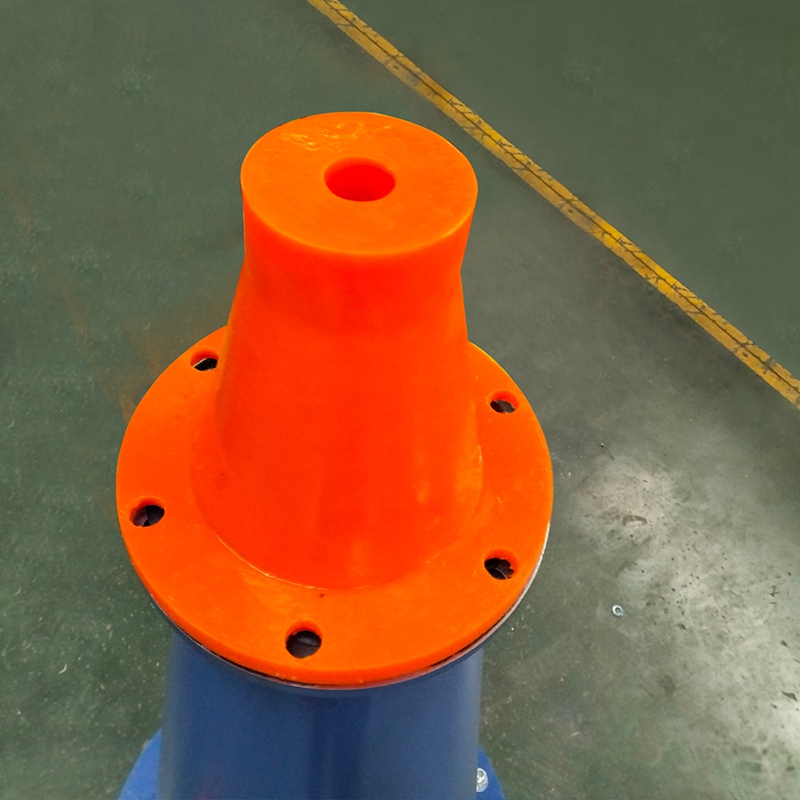
Hydrocyclone performance depends on several key factors. Understanding these helps optimize separation efficiency and maintain stable operation.
Feed pressure and flow rate directly impact the hydrocyclone’s internal vortex and centrifugal force. Higher pressure increases slurry velocity, strengthening the vortex and improving separation. However, too much pressure can cause turbulence, reducing efficiency and increasing wear.
Similarly, the flow rate must match the hydrocyclone’s design capacity. Overfeeding leads to insufficient residence time, causing poor separation and more solids in the overflow. Underfeeding reduces throughput and can destabilize the vortex.
Maintaining a steady feed pressure and flow rate ensures consistent performance and prevents issues like vortex collapse or overload.
The apex (underflow outlet) and vortex finder (overflow outlet) sizes critically influence separation. A smaller apex restricts underflow discharge, increasing internal pressure and pushing more solids into the overflow, which lowers separation quality.
Conversely, a larger apex allows more coarse particles to exit as underflow but may reduce the centrifugal force inside. The vortex finder size controls the overflow stream’s cut point; a larger vortex finder allows more fine particles to escape, affecting product quality.
Design variations, including length and diameter, also affect flow patterns. Properly sized apex and vortex finder balance throughput, pressure, and separation efficiency.
The density difference between solids and liquid drives separation. Greater density difference means stronger centrifugal force acts on particles, improving separation. For example, hydrocyclones separate sand from water more effectively than from denser slurries.
Viscosity influences flow behavior inside the hydrocyclone. Higher viscosity dampens vortex formation and reduces centrifugal force, leading to poorer separation. It also increases pressure drop and energy consumption.
Operators must consider slurry composition and adjust operating parameters or hydrocyclone design accordingly to handle changes in density and viscosity.
Selecting the correct hydrocyclone size depends on your process needs. Size affects capacity, cut point, and separation efficiency. Smaller hydrocyclones handle finer particles but lower flow rates. Larger ones process more volume but may lose fine particle separation. Match the cyclone size to your feed flow rate and particle size distribution.
Material choice matters too. Abrasive slurries require wear-resistant liners like polyurethane or rubber. Corrosive fluids call for stainless steel or specialized plastics like polyamide. Consider operating pressure and temperature, too. Using the right material reduces downtime and maintenance costs.
Proper installation ensures optimal hydrocyclone performance. Follow these tips:
● Feed Piping: Use smooth, straight pipes to feed slurry tangentially. Avoid sharp bends or restrictions that cause turbulence.
● Mounting: Secure the hydrocyclone vertically to maintain flow patterns. Use vibration dampers if needed.
● Overflow and Underflow: Connect outlets to appropriate collection or processing units. Ensure no blockage or backpressure.
● Pressure Control: Maintain steady feed pressure within design limits. Use pumps that provide consistent flow.
● Accessibility: Install in locations that allow easy inspection, maintenance, and liner replacement.
Correct installation prevents flow disturbances, vortex collapse, and wear issues.
Some common problems arise during hydrocyclone operation and installation:
● Vortex Collapse: Happens if feed pressure fluctuates or flow rate is too low. Solution: Maintain stable feed conditions and proper pump sizing.
● Excessive Wear: Caused by abrasive slurries or poor material choice. Solution: Use wear-resistant liners and monitor wear regularly.
● Blockage: Due to oversized particles or debris. Solution: Install screens upstream and maintain feed quality.
● Incorrect Separation: If apex or vortex finder size is wrong, separation efficiency drops. Solution: Adjust or replace these parts per process requirements.
● Leakage: Poor sealing or damaged casing causes leaks. Solution: Inspect seals and tighten bolts regularly.
Addressing these challenges early improves hydrocyclone lifespan and performance.
Hydrocyclones efficiently separate particles using centrifugal force, with no moving parts, reducing energy consumption and maintenance. Future trends in hydrocyclone technology focus on enhancing separation efficiency and adapting to diverse applications. Hydrocyclones' versatility makes them valuable in mining, oil, and water treatment. Hebei Dizhuo Rubber & Plastic Products Co., Ltd. offers high-quality hydrocyclones, providing durable, efficient solutions tailored to your needs. Their products deliver value by optimizing separation processes and minimizing operational costs, ensuring reliable performance across various industries.
A: A Hydrocyclone is a device that uses centrifugal force to separate particles in a liquid based on their size and density.
A: A Hydrocyclone separates solids and liquids by creating a swirling motion inside, pushing heavier particles outward to the underflow outlet and lighter ones upward through the vortex finder.
A: Material selection is crucial for Hydrocyclones to resist wear and corrosion, ensuring durability and reducing maintenance costs.
A: Hydrocyclones are used in mining, oil and gas, water treatment, and sand washing industries for efficient separation processes.
A: Feed pressure impacts the internal vortex strength in a Hydrocyclone, influencing separation efficiency and wear rates.


