

Views: 0 Author: Site Editor Publish Time: 2026-04-28 Origin: Site


In the rapidly advancing field of waste recycling, the need for efficient material separation has become a critical component of improving operational efficiency. Polyurethane Flip Flow Mats are emerging as a key solution to enhance screening processes in modern recycling plants. Their ability to handle challenging materials like wet, sticky, or abrasive substances makes them a perfect fit for waste recycling operations. This article explores the role of Polyurethane Flip Flow Screens, their advantages in recycling plants, and the best practices for utilizing them effectively.
Waste recycling involves processing a variety of materials such as plastics, metals, organics, and paper. These materials often pose significant challenges for traditional screening systems. Common issues include:
Challenge | Impact |
Clogging and Material Buildup | Sticky materials like plastics or wet waste accumulate on the screen, leading to blockages and reduced throughput. |
Low Screening Efficiency | Traditional screens often struggle to separate finer materials effectively, resulting in lower quality recycled output. |
Frequent Maintenance | Continuous clogging and wear lead to more frequent cleaning and maintenance, increasing downtime and operational costs. |
Wear and Tear | Conventional screen materials like steel or rubber wear quickly, especially when exposed to abrasive or corrosive waste materials. |
These challenges often reduce the overall efficiency of recycling plants and increase operating costs. Traditional rigid screening systems, such as steel mesh or rubber-based screens, are often inadequate for handling the complex and varied waste materials that need to be processed in modern recycling plants.
Polyurethane Flip Flow Mats have quickly become a popular choice in recycling plants due to their unique features that address the challenges of waste screening. Below are the primary advantages that make these mats ideal for recycling operations:
· Elasticity and Flexibility: Polyurethane is a highly flexible material, which allows the screen to deform and "flip" under vibration. This action helps to prevent material from building up on the screen surface, ensuring smooth, continuous operation.
· Self-Cleaning Action: The unique vibration and elastic properties of polyurethane allow the screen to effectively clean itself, reducing the need for manual cleaning and maintenance. This reduces downtime and helps maintain optimal efficiency during operations.
· High Wear Resistance: Polyurethane offers superior abrasion resistance compared to traditional materials like steel or rubber. This feature is essential in recycling plants that deal with abrasive materials such as metal scraps, glass, and rough plastics.
· Corrosion Resistance: Polyurethane does not rust or degrade when exposed to moisture or chemical substances commonly found in waste materials. This enhances the lifespan of the mats in wet or chemically aggressive environments.
· Efficient Separation: The self-cleaning and elastic properties combined with the vibration motion ensure that even wet, sticky, or fine materials are efficiently separated, improving the overall quality of the recycled material.
Benefit | Impact on Recycling Efficiency |
Prevents Clogging | Polyurethane mats prevent materials from sticking and clogging, improving material flow and reducing downtime. |
Reduces Maintenance Costs | Self-cleaning and wear-resistant properties cut down on cleaning and replacement costs, extending the screen's life. |
Enhances Screening Quality | The flexible, flipping action helps improve separation, leading to higher-quality recycled output. |
Increases Throughput | The efficient material flow enabled by these mats ensures higher throughput, increasing overall plant productivity. |
Polyurethane Flip Flow Mats use a unique combination of vibration and flexibility to ensure efficient material separation. Their ability to process sticky, moist, and challenging waste materials enhances overall screening efficiency in recycling plants.
The core feature of Polyurethane Flip Flow Mats is the vibration motion combined with the material’s elasticity. This combination provides several operational benefits:
· Continuous Material Movement: The screen's flipping motion ensures that materials remain in constant motion, preventing clumping and ensuring they pass through the screen openings efficiently.
· Prevents Blockages: By allowing the screen to deform and "flip" under vibration, sticky materials that tend to cling to surfaces are dislodged, preventing clogging.
· Improved Material Separation: The screen's ability to adapt to different material types and sizes, combined with the vibration, ensures that even fine or sticky particles are separated effectively.
Operational Parameter | Impact on Screening Efficiency |
Vibration Frequency | High-frequency vibrations help keep sticky materials moving and prevent clogging. |
Amplitude Settings | Adjusting amplitude helps improve separation efficiency, especially for fine particles. |
Screen Design | A properly designed screen with optimal mesh size allows for better separation of materials. |
By adjusting operational parameters, recycling plants can maximize the effectiveness of their Polyurethane Flip Flow Screens, ensuring they efficiently handle a wide range of materials without clogging or losing throughput.
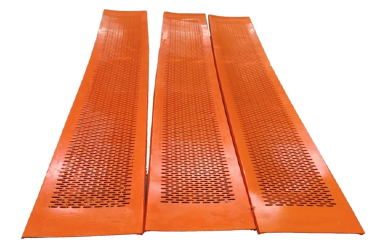
Polyurethane Flip Flow Mats are used in various recycling processes to enhance material separation. Here are some specific applications where these mats provide significant benefits:
Plastics are one of the most challenging materials to recycle due to their varied textures and stickiness. Polyurethane Flip Flow Mats are ideal for separating plastic particles, preventing the buildup of sticky materials, and improving separation efficiency.
Recycling metals often involves dealing with sharp, abrasive materials. Polyurethane mats' abrasion resistance makes them perfect for screening metals, providing long-lasting performance in environments where steel or rubber screens would wear out quickly.
In organic waste processing, such as composting or food waste recycling, materials are often wet and sticky. Polyurethane Flip Flow Mats handle these conditions with ease, ensuring that moisture-laden organic materials pass through the screen without clogging.
To maximize the efficiency and lifespan of Polyurethane Flip Flow Mats, proper installation, regular maintenance, and monitoring are essential. Implementing the following best practices ensures long-term, trouble-free performance and helps maintain the optimal operation of these mats in recycling plants.
· Ensure Proper Alignment and Mounting: It’s critical that the screen is correctly aligned and securely mounted to prevent unnecessary strain or vibration-related issues. Improper installation can lead to material misdistribution, inefficient screening, and damage to the mats.
· Adjust Vibration Frequency and Amplitude: The vibration frequency and amplitude should be adjusted according to the material being processed. Fine materials may require higher vibration frequencies to prevent clogging, while coarser materials may require adjustments to optimize material flow and separation efficiency.
· Periodic Cleaning: While Polyurethane Flip Flow Mats are designed to be self-cleaning, it is still important to inspect and clean them regularly, particularly after processing highly sticky or wet materials. This will prevent buildup and ensure continuous performance.
· Lubrication and Inspection: Regularly lubricate vibrators and moving parts to reduce friction, prevent wear, and ensure smooth operation. Inspect all mechanical components for damage or wear, particularly those exposed to high-impact stress, like the vibrators.
· Monitor for Wear: Regularly check the screen surface and vibrators for signs of wear, particularly in high-impact areas. Even though polyurethane is durable, prolonged exposure to harsh materials can lead to surface degradation.
· Replace Damaged Components: When any components show significant damage or wear, it’s essential to replace them promptly. This includes vibrators, polyurethane panels, and any other high-use parts. Timely replacement ensures that the screen continues to operate at maximum efficiency, reducing the chances of unexpected breakdowns and improving overall plant performance.
Polyurethane’s elasticity and self-cleaning action are key features that help prevent sticky materials from adhering to the screen surface. As the screen vibrates, the material is dislodged and kept in constant motion, ensuring smooth material flow. This reduces the risk of clogging and ensures that even wet or sticky substances continue to pass through the screen without blockages, improving efficiency.
Polyurethane Flip Flow Mats are capable of efficiently handling wet, sticky, abrasive, and fine materials. These include common waste materials like plastics, metals, organics, and even challenging substances such as industrial waste, sludge, or mixed recyclables. Their durability and flexibility allow them to process a wide variety of materials that traditional screens struggle with.
Polyurethane mats' self-cleaning properties and abrasion resistance significantly reduce the need for frequent cleaning, repairs, and part replacements. The ability to handle sticky and abrasive materials without clogging means less downtime for maintenance. This leads to a lower overall maintenance cost, improved uptime, and a longer service life for the equipment, making them a more cost-effective solution in the long term.
Yes, Polyurethane Flip Flow Mats can be fully customized with varying mesh sizes, vibration settings, and screen designs to meet specific recycling needs. Whether processing fine particles, separating coarse materials, or handling sticky waste, these mats can be tailored to ensure optimal material separation and improved efficiency. Customization allows for greater flexibility in adapting to diverse recycling processes.
Polyurethane Flip Flow Mats play a vital role in improving screening efficiency in modern waste recycling plants. Their unique properties—such as self-cleaning action, elasticity, and abrasion resistance—make them particularly effective in handling sticky, wet, and abrasive materials. By preventing clogging, reducing maintenance costs, and enhancing material separation, these mats ensure higher throughput and better-quality recycled materials. As waste recycling becomes more complex, the role of Polyurethane Flip Flow Screens in ensuring plant efficiency and sustainability will continue to grow. Companies like Hebei Dizhuo Rubber & Plastic Products Co., Ltd. are leading the way by providing durable and reliable polyurethane solutions to support the ever-evolving demands of modern recycling plants.


