

Views: 0 Author: Site Editor Publish Time: 2025-11-09 Origin: Site


Ever wondered how industries efficiently separate particles from liquids without moving parts? Enter the hydrocyclone—a marvel of engineering. This simple yet powerful device uses centrifugal force to sort materials by size and density. In this post, you'll learn what a hydrocyclone is, its crucial role in various industries, and how it enhances processes like mineral processing and wastewater treatment.
A hydrocyclone is a clever device that uses simple physics to separate particles in a liquid. It operates without any moving parts, relying on the force created by the liquid’s movement inside it.
When a mixture of solids and liquids is pumped into the hydrocyclone, it enters through a tangential inlet at high pressure. This causes the liquid to spin rapidly inside the cylindrical body, creating a vortex. The spinning motion forces heavier and larger particles outward toward the wall of the hydrocyclone. These particles then move downward due to gravity and exit through the bottom outlet, called the underflow.
Meanwhile, lighter and finer particles stay near the center of the vortex. They move upward along the vortex core and exit through the top outlet, known as the overflow.
The key force that makes the hydrocyclone work is centrifugal force. This force pushes particles outward from the center of the spinning liquid. The heavier or larger the particle, the stronger the force pushing it outward. This separation by size and density is what allows the hydrocyclone to sort particles effectively.
Particles with equal centrifugal and drag forces have a 50-50 chance of going to either outlet. This balance point is known as the cut-off size or d50.
Several parts work together inside a hydrocyclone to make this separation happen:
● Feed Chamber: Where the slurry enters and begins to spin.
● Cylindrical Body and Cone: The main chamber where the vortex forms and particles are separated.
● Vortex Finder: A tube inside the top outlet that guides the finer particles out.
● Spigot or Apex: The small outlet at the bottom where heavier particles exit.
● Liners: Wear-resistant materials inside the hydrocyclone that protect it from abrasion.
The size of the vortex finder and spigot, the shape of the cone, and the pressure at the inlet all influence how well the hydrocyclone separates particles.
Note: Maintaining consistent inlet pressure is crucial for stable hydrocyclone performance and accurate particle separation.
Hydrocyclones play a vital role in several industrial processes, especially where separation of particles by size and density is essential. They are commonly used for desliming, dewatering, and sizing in industries like mineral processing, pulp and paper, and construction materials.
Desliming involves removing very fine particles, or slimes, from a slurry. In mineral processing, this step is crucial because slimes can interfere with downstream processes like flotation or grinding. Hydrocyclones efficiently separate these fines from coarser particles, improving the quality of the final product and optimizing recovery rates.
Dewatering is another key application. After mineral or material processing, the slurry often contains a significant amount of water. Hydrocyclones help reduce moisture content by separating water from solids. This process is essential in preparing materials for transportation, storage, or further processing. For example, in the sand industry, hydrocyclones are used to produce dry, reusable sand by removing excess water.
Sizing refers to classifying particles into different size ranges. Hydrocyclones are highly effective at this because their separation point (or cut size, d50) can be adjusted by changing parameters like inlet pressure, cone angle, or feed density. This capability allows industries to produce materials with specific size distributions, suitable for different applications. For example, in aggregate production, hydrocyclones can separate coarse gravel from finer sand, ensuring consistent quality.
How Hydrocyclones Aid These Processes:
● Efficiency: They can process large volumes quickly, making them suitable for high-throughput industries.
● No Moving Parts: This reduces maintenance costs and downtime.
● Adjustability: Operators can modify parameters to fine-tune separation based on feed characteristics.
● Versatility: Suitable for slurries with varying densities, particle sizes, and compositions.
Example in Practice:
In mineral beneficiation, hydrocyclones are set up in multiple stages. The first stage removes the finest slimes, preventing their interference in grinding. The second stage dewaters the coarse mineral particles, making them easier to handle and transport. Adjustments in cone angles and inlet pressure optimize separation efficiency for each stage.
Summary:
Hydrocyclones are indispensable tools in industries requiring particle separation. Their ability to deslime, dewater, and size materials enhances process efficiency, reduces costs, and improves product quality. Whether handling mineral ores, sand, or pulp, hydrocyclones adapt to diverse needs, making them a cornerstone of modern separation technology.
Understanding what influences the performance of a hydrocyclone is key to optimizing its operation. Three main factors significantly impact how effectively a hydrocyclone separates particles: inlet pressure, feed density, and cone angle/configuration.
Inlet pressure is perhaps the most critical parameter. It directly affects the velocity of the slurry entering the cyclone, which in turn determines the centrifugal force needed for separation. When pressure is too low, the vortex isn’t strong enough, leading to poor separation and coarser cut points. Conversely, excessively high pressure can cause over-grinding, excessive fines in the underflow, and increased wear on lining components.
Maintaining a stable inlet pressure ensures consistent separation. Fluctuations often indicate upstream issues like pump failures, blockages, or surges in flow. Regular monitoring with pressure gauges helps operators identify and correct problems early. For example, a sudden drop in pressure might signal a pump malfunction, while a spike could indicate blockages or flow surges, both of which degrade efficiency.
Feed density, or the solids concentration in the slurry, also influences separation performance. Higher feed densities increase the slurry’s viscosity, which affects the flow pattern inside the cyclone. When the feed density rises, the cut point (d50) shifts to a coarser size, meaning larger particles tend to report to the underflow.
Adjusting feed density can fine-tune the separation, but it’s not always practical once the cyclone is installed. Changes in feed density require recalibration of operational parameters like pressure or cone angle to maintain desired separation. For instance, increasing feed density might necessitate reducing inlet pressure to prevent over-separation or fines reporting to the underflow.
The cone angle of the hydrocyclone plays a pivotal role in particle separation. Narrower angles, around 10 degrees, are typically used for fine cuts, providing a sharper separation. Larger angles, such as 20 or 40 degrees, are suitable for coarser separations, allowing larger particles to be efficiently directed to the underflow.
Adjusting cone angles influences the centrifugal force distribution within the cyclone. A steeper cone increases the velocity of particles near the wall, improving separation for coarser materials. Conversely, a shallower cone produces a gentler vortex, better for fine particles.
Additionally, the cyclone’s internal configuration, such as the length of the cone and the position of the vortex finder, affects flow dynamics. For example, tilting the cyclone slightly or modifying internal parts can shift the cut point, optimizing performance for specific feed characteristics.
Factor | Impact on Hydrocyclone Efficiency | Key Considerations |
Inlet Pressure | Affects slurry velocity and centrifugal force needed for separation. Too low pressure leads to poor separation; too high causes excessive fines. | Stable pressure is crucial; fluctuations may indicate upstream issues. |
Feed Density | Higher feed density increases slurry viscosity, shifting the cut point to coarser sizes and affecting flow patterns. | Adjusting feed density may require recalibration of pressure or cone angle. |
Cone Angle | Narrower angles (10°) give finer separation, while wider angles (20°-40°) handle coarser particles. | Selecting the right cone angle is critical for particle size targeting. |
Cone Configuration | Affects centrifugal force distribution within the cyclone. Steeper cones provide faster particle velocity, aiding coarse separation. | Internal modifications (e.g., cone length, vortex finder position) can optimize separation. |
Optimizing hydrocyclone efficiency involves balancing inlet pressure, feed density, and cone configuration. Stable pressure ensures consistent separation; adjusting feed density can refine the cut point; and selecting the appropriate cone angle tailors the device for specific particle sizes. Regular monitoring and fine-tuning these factors help maximize separation efficiency, reduce wear, and extend equipment lifespan.
Operating a hydrocyclone smoothly requires attention to several common issues that can affect performance. Recognizing and addressing these problems early helps maintain efficiency and avoid costly downtime.
Low fluid flow is a frequent problem that can reduce hydrocyclone efficiency. It often results from:
● Pump Problems: Malfunctioning or underpowered pumps fail to deliver the required pressure and volume.
● Insufficient Water Supply: Low water levels in the reservoir can starve the system.
● Suction Blockages: Debris or sediment blocking the suction line restricts flow.
● Clogged Filters: Dirty or damaged filters impede fluid movement.
● Inadequate Lubricants: Poor pump lubrication causes mechanical issues, reducing flow.
To troubleshoot, check pump operation, inspect filters and suction lines for blockages, and ensure the reservoir is adequately filled. Regular maintenance of pumps and filters is crucial.
Oil contamination in the water indicates system overload or settling tank issues. Causes include:
● Overloaded System: Excessive solids or oil entering the hydrocyclone can disrupt separation.
● Full Settling Tank: When the tank is full, it cannot separate oil effectively.
● Water Discharge Blockages: Obstructions prevent proper drainage, causing oil buildup.
Detect oil presence by visual inspection or using sensors. Address overload by adjusting feed rates and clean or empty the settling tank regularly. Clear blockages to restore normal flow.
Debris accumulation leads to multiple problems such as:
● Dirty Filters: Accumulated solids clog filters, reducing flow and pressure.
● Sludge Build-up: Settled sludge in pipes or tanks restricts fluid movement.
● Odors: Stagnant water or sludge produces unpleasant smells, signaling poor maintenance.
Prevent debris issues by scheduling regular cleaning of filters, pipes, and tanks. Visual, olfactory, and auditory inspections help detect early signs of trouble.
● Monitor Inlet Pressure: Fluctuations signal upstream problems like pump failure or blockages.
● Inspect Hydrocyclone Internals: Although dismantling is tough, checking liners and internal parts prevents wear-related failures.
● Use Sensory Checks: Sight, smell, and sound can reveal issues before instruments detect them.
● Maintain Consistent Feed: Sudden changes in feed density or flow disrupt separation and cause wear.
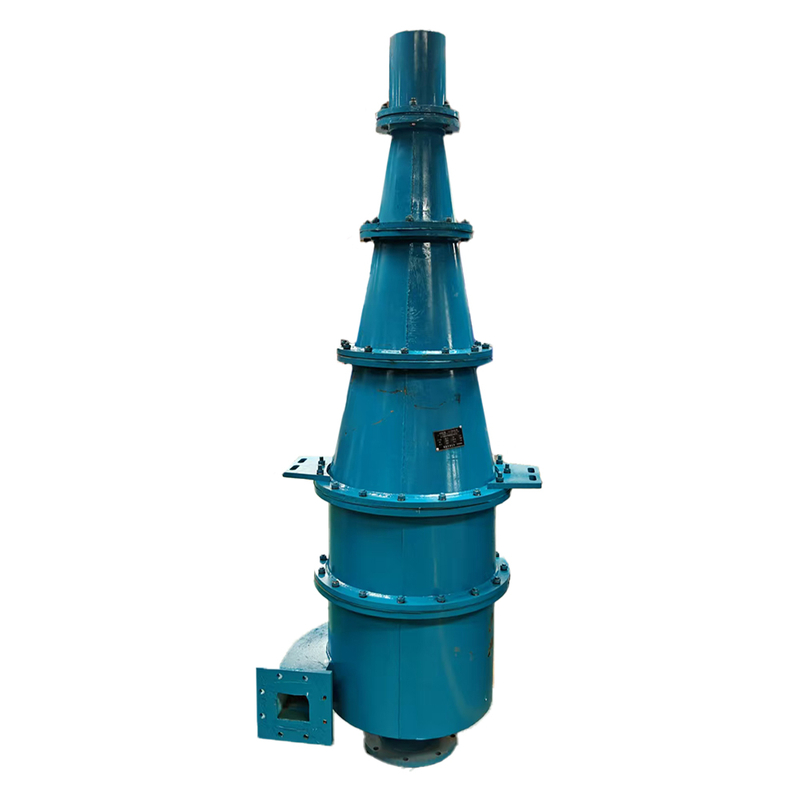
Hydrocyclones offer several key benefits that make them popular in many industries. Their design and operation bring efficiency, low maintenance, and versatility.
Hydrocyclones separate particles quickly and effectively. They use centrifugal force to sort solids by size and density without requiring complex machinery. This allows them to handle large volumes of slurry continuously. Because they create a strong vortex, they can separate fine particles from coarse ones with good precision.
This efficiency helps industries improve product quality and reduce waste. For example, in mineral processing, hydrocyclones remove unwanted fine particles that could interfere with later steps. The result is a cleaner, more consistent material that enhances downstream operations.
One of the biggest advantages is their simple design—hydrocyclones have no moving parts. This means fewer mechanical failures and less downtime. Without motors, gears, or bearings inside, there’s less to wear out or break.
Maintenance mainly involves checking liners and cleaning to prevent blockages. Liners are made from wear-resistant materials that protect the cyclone body from abrasion caused by solids. Replacing liners is straightforward and much cheaper than repairing moving parts.
The lack of moving parts also reduces energy consumption. Pumps provide the pressure needed for operation, but the cyclone itself doesn’t require extra power to move parts or drive mechanisms.
Hydrocyclones adapt well to different materials and industries. They work with slurries of various densities, particle sizes, and compositions. This flexibility makes them useful in mineral processing, pulp and paper, wastewater treatment, and construction materials.
Operators can adjust parameters like inlet pressure, feed density, and cone angle to optimize separation for specific needs. For instance, changing the cone angle can help target finer or coarser particles.
Hydrocyclones also scale easily. Small units handle fine cuts in labs or pilot plants, while large industrial cyclones process thousands of tons per hour. Multiple hydrocyclones can be installed in parallel to increase capacity or improve separation.
● Fast, efficient separation of solids by size and density.
● Simple, rugged design with no moving parts reduces breakdowns.
● Low operating and maintenance costs due to minimal wear components.
● Flexible operation suitable for many industries and materials.
● Easy scaling from small to large capacities.
These benefits explain why hydrocyclones remain a preferred choice for particle separation in many processes worldwide.
Choosing the right hydrocyclone is essential to achieving optimal separation performance. Several factors come into play, including the specific application, size and capacity needs, and options from manufacturers.
Different industries and processes require different hydrocyclone features. For example:
● Mineral Processing: Often needs hydrocyclones with fine cut points to separate slimes and prepare feed for flotation.
● Pulp and Paper: May require units optimized for dewatering and removing fines.
● Construction Aggregates: Typically uses hydrocyclones sized for coarser separations and high throughput.
Understanding your process goals helps narrow down the best hydrocyclone type. Consider the particle size range, slurry density, and desired separation sharpness.
Hydrocyclones come in various sizes, typically measured by diameter. Smaller hydrocyclones (around 10–100 mm) suit fine separations in lab or pilot scale. Larger units (up to 1000 mm or more) handle bulk industrial flows.
Capacity depends on feed volume, solids concentration, and desired cut point. Oversized hydrocyclones may reduce separation efficiency, while undersized ones can cause blockages or excessive wear.
When scaling up, multiple smaller hydrocyclones in parallel often outperform a single large unit by offering finer cut points and better control.
Many manufacturers offer a range of hydrocyclones with different cone angles, liner materials, and outlet sizes. Some provide adjustable or modular components for easy tuning.
Key points when selecting a supplier:
● Availability of technical support and customization.
● Quality and durability of liners and casings.
● Range of sizes and configurations to match your process.
● Compatibility with your existing equipment and space constraints.
It’s wise to discuss your process needs with manufacturers to identify the best fit. Pilot testing or trial runs can also help confirm performance before full-scale purchase.
Hydrocyclones efficiently separate particles by size and density, enhancing industrial processes with low maintenance and versatility. Future advancements promise even greater efficiency and adaptability. Hebei Dizhuo Rubber & Plastic Products Co., Ltd. offers hydrocyclones that deliver consistent performance and durability, ensuring optimal value for diverse applications.
A: A hydrocyclone is used for separating particles in a liquid based on size and density, commonly in mineral processing, pulp and paper, and construction industries.
A: A hydrocyclone works by creating a vortex that uses centrifugal force to separate heavier particles to the outer walls and lighter particles to the center.
A: Hydrocyclones are preferred due to their efficiency, low maintenance, and ability to handle large volumes without moving parts.
A: Efficiency is influenced by inlet pressure, feed density, and cone angle/configuration, which affect the centrifugal force and separation precision.
A: Check for pump issues, blockages, or insufficient water supply, and ensure regular maintenance of pumps and filters to prevent low flow.


