

Views: 0 Author: Site Editor Publish Time: 2025-11-11 Origin: Site


Have you ever wondered how industries separate solids from liquids efficiently? Centrifuges and hydrocyclones play a crucial role in this process. These devices are essential for various industrial applications, ensuring effective separation based on density differences. In this post, you'll learn about the distinctions between centrifuges and hydrocyclones, their operational principles, and how they impact industrial efficiency.
Centrifuges are devices that use centrifugal force to separate particles from liquids. They operate by spinning a chamber at high speeds, creating a strong outward force. When a mixture of solids and liquids enters, the centrifugal force pushes denser particles toward the outer edge of the chamber. Lighter liquids stay closer to the center, allowing for separation. This process is highly efficient, especially for small or fine particles that are difficult to filter using traditional methods.
The core principle relies on the difference in densities between the particles and the liquid. As the chamber spins, the particles with higher density are forced outward more strongly, enabling their collection or removal. The separated components can then be processed further or disposed of, depending on the application.
Centrifuge feed pumps are crucial components that supply the mixture to the centrifuge. They must handle abrasive, dense slurries reliably. Several types of pumps are used, including:
● Screw pumps: Known for handling high-viscosity fluids and solids-laden slurries. They provide steady, controlled flow.
● Progressive cavity pumps: Offer precise flow control, suitable for variable or demanding feed conditions.
● Positive displacement pumps: Deliver consistent flow regardless of pressure changes, ideal for sensitive or critical applications.
Materials used in these pumps often include wear-resistant alloys or rubber linings to withstand the abrasive nature of the slurry. Proper pump selection ensures continuous operation, minimizes downtime, and extends equipment lifespan.
Centrifuges find widespread use across various industries. Some common applications include:
● Wastewater treatment: Removing suspended solids, dirt, and sand from water.
● Mining: Separating valuable minerals from ore slurry.
● Oil and gas: Clarifying drilling mud by removing cuttings and other solids.
● Food industry: Clarifying liquids like juice or wine, removing pulp and solids.
● Chemical manufacturing: Separating chemical mixtures or recovering solvents.
In each case, centrifuges improve efficiency, reduce waste, and often lower operational costs. Their ability to quickly and effectively separate components makes them indispensable in modern industrial processes.
Tip: Regular maintenance and proper pump selection are key to maximizing centrifuge performance and lifespan in industrial settings.
Hydrocyclones are simple yet effective devices used in industries to separate particles from liquids based on density differences. They work by creating a vortex that spins the slurry— a mixture of water and solids— inside a conical chamber. The process begins when the slurry is pumped into the hydrocyclone through a tangential inlet, which causes the fluid to swirl rapidly. This spinning motion generates centrifugal force, pushing denser particles outward toward the wall of the cone. As a result, these heavier particles move downward and are collected at the underflow outlet. Meanwhile, the lighter liquid, now clearer, moves upward toward the overflow outlet.
The design of hydrocyclones allows for continuous separation without moving mechanical parts, making them highly reliable with minimal maintenance. The key to their operation lies in adjusting the pressure and flow rate. Higher pressure increases the centrifugal force, improving separation efficiency but also increasing wear on the lining. Proper sizing and configuration of the hydrocyclone are essential to achieve optimal results for specific applications.
The pump supplying slurry into a hydrocyclone plays a vital role in its performance. These feed pumps must handle abrasive, high-solid-content slurries while maintaining consistent pressure and flow. Common pump types include:
● Centrifugal pumps: These are the most widely used for hydrocyclone feed. They generate high velocity and pressure, suitable for continuous operation.
● Positive displacement pumps: These pumps provide steady flow regardless of pressure fluctuations. They are ideal when precise flow control is necessary or when handling highly viscous or abrasive slurries.
Materials used for these pumps often include wear-resistant alloys or rubber linings. This choice helps prolong pump life, especially when processing materials like sand, gravel, or chemical solids. Proper pump selection ensures the hydrocyclone operates efficiently, reducing downtime and maintenance costs.
Hydrocyclones find applications across many industries due to their efficiency and simplicity. Some typical uses include:
● Mining: Separating fine mineral particles from slurry, such as removing silica or clay from ore. Hydrocyclones are also used for classification, sizing, and dewatering.
● Water treatment: Removing suspended solids, dirt, and sand from water before further processing or discharge.
● Oil and gas: Cleaning drilling mud by removing cuttings and other solids, which helps in recycling and reducing waste.
● Chemical processing: Separating chemical mixtures or recovering valuable solids from liquids.
● Construction: Recycling wastewater and removing debris from slurry to reuse in concrete or other applications.
These devices are valued for their ability to operate continuously, with low maintenance and high reliability. Their versatility makes them indispensable in industries seeking efficient, cost-effective separation solutions.
Centrifuges and hydrocyclones are both used for separating solids from liquids, but they operate quite differently. Centrifuges consist of a rotating chamber that spins at high speeds. This rotation creates centrifugal force, which pushes denser particles outward, allowing for separation. The process involves moving mechanical parts, such as a motor and a spinning bowl or drum. The design allows for precise separation, especially for small or fine particles, and often includes features like adjustable speed controls.
Hydrocyclones, on the other hand, are simpler devices with no moving parts. They use a conical chamber where slurry is introduced tangentially, creating a vortex. The centrifugal force generated by this swirling motion separates particles based on density. Heavier particles move outward toward the wall and are discharged through the underflow, while lighter liquids exit through the overflow. Hydrocyclones are generally compact, with a straightforward design, making them easy to operate and maintain.
Centrifuges tend to be more precise in separating very fine particles or small differences in density. They are highly effective in applications requiring high purity or where complex mixtures need to be processed. For example, in chemical manufacturing or fine mineral recovery, centrifuges can achieve detailed separation with minimal loss.
Hydrocyclones excel in handling large volumes of slurry quickly and efficiently. They are ideal for coarse separation tasks, such as removing sand or large solids from water or slurry. Their continuous operation and low maintenance make them suitable for industries like mining, water treatment, and oil drilling mud cleaning. However, they might not achieve the same level of fine separation as centrifuges.
Centrifuges often have complex mechanical parts that require regular maintenance. Their components, such as bearings, seals, and the spinning chamber, need inspection and replacement over time. Because they handle abrasive or corrosive materials, choosing the right wear-resistant materials is crucial. Proper lubrication and calibration help maintain optimal performance.
Hydrocyclones are simpler, with no moving parts, so they generally require less maintenance. Their main wear points are the lining and the inlet/outlet nozzles, which can erode over time. Using wear-resistant linings made of rubber or polyurethane extends their lifespan. Maintenance typically involves inspecting and replacing worn linings or nozzles, which is less labor-intensive than servicing centrifuge components.
Aspect | Centrifuges | Hydrocyclones |
Design | Rotating chamber, mechanical parts | Conical chamber, no moving parts |
Operation | Uses high-speed rotation, mechanical force | Uses vortex created by slurry swirl |
Particle separation precision | High, suitable for fine particles | Moderate, best for coarse separation |
Maintenance | More complex, regular servicing required | Simpler, wear parts need replacement |
Typical applications | Fine mineral recovery, chemical separation | Coarse separation, water treatment |
Choosing between these devices depends on your specific needs. If you require fine, high-purity separation, a centrifuge might be the best choice. For large-volume, coarse separation tasks, hydrocyclones often provide a cost-effective solution.
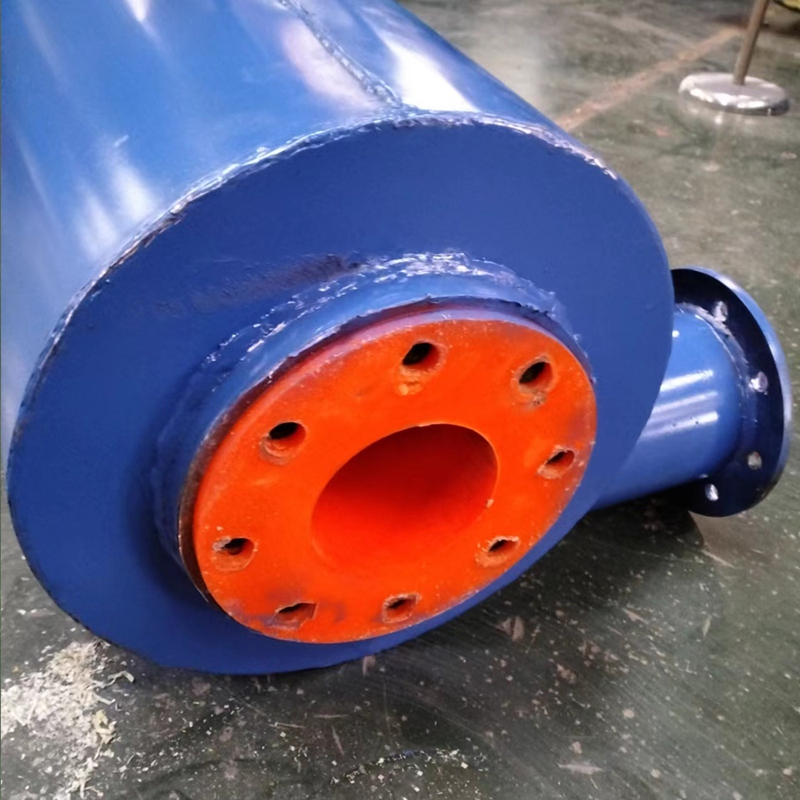
Selecting the right separation equipment depends on several key factors. First, consider the nature of the material to be processed—its particle size, density, abrasiveness, and volume. Fine particles or mixtures requiring high purity often call for centrifuges, while larger volumes of coarse solids suit hydrocyclones better.
Next, think about the operating conditions. Centrifuges need stable power and more maintenance but offer precise separation. Hydrocyclones require less upkeep and handle continuous, high-volume flows efficiently. Your available space and installation complexity also matter; hydrocyclones are compact and simpler to install.
Another factor is the feed pump type and capacity. Pumps must match the equipment’s pressure and flow requirements. For example, screw pumps or progressive cavity pumps work well with centrifuges, while centrifugal pumps are common for hydrocyclones. Material compatibility and wear resistance are critical, especially for abrasive slurries.
Lastly, consider your maintenance capabilities and downtime tolerance. Centrifuges, with moving parts, need regular servicing. Hydrocyclones have fewer parts but their linings wear over time. Choose equipment that fits your operational resources.
Cost plays a big role in equipment choice. Centrifuges generally have higher upfront costs due to complex mechanics and control systems. They also consume more energy but can save money by producing higher purity products and reducing waste.
Hydrocyclones tend to cost less initially and have lower energy demands. Their simple design means fewer repairs and less downtime, which lowers operating expenses. However, they may not achieve the same separation quality, potentially requiring additional processing steps.
When weighing costs, consider long-term savings from efficiency, maintenance, and product quality. Sometimes a higher initial investment in centrifuges pays off through better performance and less waste. Other times, a hydrocyclone’s simplicity and low cost make it the smarter choice.
Many industries have unique separation needs that standard equipment may not fully meet. Customizing centrifuges or hydrocyclones can improve performance and extend equipment life.
For example, in mining, hydrocyclones can be fitted with wear-resistant linings tailored to abrasive ores. Centrifuges can be designed with variable speed controls to handle fluctuating feed compositions in chemical processing. Custom feed pumps can match slurry characteristics precisely, improving reliability.
Consulting with manufacturers or engineers helps identify modifications like material upgrades, control systems, or integration with other processes. Custom solutions optimize separation efficiency, reduce downtime, and lower total cost of ownership.
Centrifuge technology has seen significant improvements over recent years. Modern centrifuges now feature advanced control systems, allowing operators to fine-tune speed, temperature, and separation parameters precisely. This results in higher efficiency and better separation quality. Automation plays a big role, with some models equipped with sensors that monitor performance in real-time, adjusting operation automatically to optimize results.
Materials used in centrifuge construction have also advanced. Wear-resistant alloys and ceramics are now common, extending the lifespan of critical components. This is especially important when processing abrasive materials like mineral ores or chemical sludges. Additionally, energy-efficient motors and drives reduce power consumption, making centrifuges more sustainable and cost-effective.
Innovations in design include the development of compact, modular centrifuges. These units are easier to install and maintain, fitting into tight spaces while still delivering high performance. Some centrifuges now incorporate self-cleaning mechanisms, which minimize downtime by reducing manual cleaning needs. These features are especially valuable in industries where continuous operation is essential.
Hydrocyclone designs have also evolved. Engineers have optimized cone angles, inlet configurations, and lining materials to enhance separation efficiency and lifespan. For example, sharper cone angles improve the separation of fine particles, while larger inlet sizes accommodate higher flow rates. These modifications allow hydrocyclones to handle larger volumes with greater accuracy.
Material technology has advanced as well. Modern hydrocyclones often feature wear-resistant linings made from polyurethane or rubber composites, which resist erosion from abrasive particles. Some designs incorporate multi-stage configurations, where the underflow of one hydrocyclone feeds into another, increasing separation precision. This setup is useful in complex mineral processing or wastewater treatment.
Computer modeling and CFD (computational fluid dynamics) simulations have become invaluable tools. They help engineers predict how changes in design affect performance. This leads to more efficient, longer-lasting hydrocyclones tailored for specific applications, whether it’s fine mineral classification or large-scale slurry dewatering.
Looking ahead, the industry is moving toward smarter, more integrated separation systems. IoT (Internet of Things) sensors will enable real-time monitoring, predictive maintenance, and remote control. This will reduce downtime and operational costs.
Another trend is the development of hybrid systems that combine centrifuge and hydrocyclone technologies. These setups can provide multi-stage separation, achieving higher purity levels and handling more complex mixtures efficiently.
Material science will continue to improve, with even more durable, corrosion-resistant, and wear-resistant materials. This will extend equipment lifespans and reduce maintenance costs further.
Finally, automation and AI (artificial intelligence) will play larger roles. Machine learning algorithms could optimize process parameters dynamically, adapting to changing feed conditions. This will make separation processes more efficient, reliable, and adaptable across diverse industries.
As technology advances, industries will benefit from faster, cleaner, and more cost-effective separation solutions. These innovations will support sustainability goals, reduce waste, and improve product quality, shaping the future of industrial separation processes.
Centrifuges and hydrocyclones both separate solids from liquids but differ in design and operation. Centrifuges are precise, handling fine particles with complex mechanics, while hydrocyclones are simpler, ideal for coarse separation. Choosing the right technology impacts efficiency and cost. Companies like Hebei Dizhuo Rubber & Plastic Products Co., Ltd. offer advanced solutions, emphasizing durability and performance. Selecting the appropriate equipment ensures optimal separation, reduced waste, and enhanced productivity, providing significant value to industrial processes.
A: A Hydrocyclone is used to separate particles from liquids based on density differences, commonly in mining, water treatment, and oil drilling.
A: A Hydrocyclone uses a vortex for separation without moving parts, while a centrifuge relies on high-speed rotation with mechanical parts.
A: Hydrocyclones are simpler, require less maintenance, and are cost-effective for large-volume, coarse separation tasks.
A: Hydrocyclones generally have lower initial and operating costs due to their simple design and minimal maintenance needs.


