

Views: 0 Author: Site Editor Publish Time: 2026-04-20 Origin: Site


Maintaining Polyurethane Flip Flow Screens is essential to ensure their long-term performance and efficiency. These screens are designed to handle tough materials, such as wet, sticky, and abrasive substances, making them critical for industries like mining, recycling, and construction. However, even the most durable screening systems require regular care to continue operating at their best. Proper maintenance helps prevent premature wear, minimizes downtime, and extends the service life of the screen. By regularly inspecting, cleaning, and maintaining the key components of the screen, companies can maximize productivity, reduce repair costs, and ensure that the screen performs optimally throughout its lifespan. Regular upkeep also ensures the screen continues to provide reliable material separation, especially in challenging environments where harsh conditions are common.
Routine inspection is vital for maintaining the efficiency and longevity of Polyurethane Flip Flow Screens. Regular checks help identify potential issues before they become major problems, such as wear, cracks, or loose components. By inspecting the screen regularly, operators can ensure that the screen is functioning optimally, catching any early signs of damage or malfunction. This proactive approach helps prevent costly repairs, reduces downtime, and ensures that the screen operates at its full capacity, efficiently separating materials.
Cleaning is an essential aspect of maintaining the performance of Polyurethane Flip Flow Screens. Over time, materials can accumulate on the screen surface, especially in environments where wet or sticky substances are processed. If left unchecked, this buildup can cause clogging, reduce screening efficiency, and even damage the screen. Regular cleaning prevents this by ensuring that material doesn’t accumulate, allowing the screen to perform its self-cleaning function effectively.
By keeping the screen clean, operators also maintain consistent material flow, reduce friction, and avoid unnecessary stress on the screen. Cleaning helps maintain the elasticity of the polyurethane material, ensuring that it continues to function effectively under vibration, preventing the screen from losing its ability to dislodge sticky materials and maintain smooth operation.
Vibrators play a crucial role in the performance of Polyurethane Flip Flow Screens, as they generate the vibration that drives the screen's flipping action. To ensure that the vibrators are operating correctly, follow these steps:
Check for Unusual Noises or Vibrations: Listen for any strange or loud noises that may indicate wear or malfunction. The vibrators should produce a consistent, steady sound. Irregular or fluctuating noise can signal internal issues.
Inspect for Loose or Worn Parts: Regularly inspect the vibrators for any loose components, such as bolts, fasteners, or mounting hardware. Tighten any loose parts to prevent damage. Additionally, check for wear on moving parts like bearings or shafts that might need lubrication or replacement.
Examine the Vibration Strength: Ensure the vibrators are providing the correct level of force and frequency as per manufacturer guidelines. Weak or inconsistent vibration can affect the screen’s efficiency and its ability to dislodge materials.
Monitor Motor Performance: Check the motor that powers the vibrator for any signs of overheating, wear, or abnormal behavior. The motor should run smoothly and without excessive heat buildup.
Monitoring the overall performance of the screen is key to identifying potential problems early. Some common indicators of performance issues include:
Decreased Screening Efficiency: If the screen is not effectively separating materials or if the throughput has decreased, it may indicate that the vibrator is not providing enough movement, or the screen surface is obstructed by material buildup. Inspect the vibration levels and clean the screen if necessary.
Uneven Material Flow: If the material is not flowing evenly across the screen surface, it may be a sign of inadequate vibration or misalignment in the screen. Check for any issues with the vibrator's operation or the screen's mounting to ensure it is functioning correctly.
Frequent Clogging or Blockages: If the screen experiences frequent blockages despite its self-cleaning properties, it could mean that the vibration is insufficient to clear materials effectively. Investigate the vibrators for potential malfunctions or wear.
By regularly checking the vibrators and overall screen performance, operators can catch minor issues before they escalate into major failures, ensuring continuous, efficient operation and minimizing downtime.
Checking the tightness of key components is essential to maintaining screen stability and performance. Focus on the following areas:
Bolts and Fasteners: Ensure bolts and fasteners are tight to prevent misalignment or damage. These can loosen over time due to vibration.
Screen Mounting and Support Frames: Inspect the frame and its connections for any looseness, which could affect material flow and screening efficiency.
Vibrator Housing and Mounts: Check the vibrator housing for secure mounts to ensure proper vibration and avoid component damage.
Wearing Parts: Inspect parts like polyurethane screen panels for secure attachment and replace worn components immediately to prevent further damage.
Lubricating key components reduces friction, prevents wear, and prolongs the screen's lifespan. Important areas to lubricate include:
Vibrator Bearings: Lubricate bearings to reduce friction and prevent premature wear.
Moving Parts: Lubricate shafts, gears, and joints to ensure smooth operation and reduce wear.
Fasteners and Bolts: Lubricate fasteners to prevent rust and facilitate easier tightening.
Screen Frame Joints: Lubricate joints to maintain flexibility and prevent damage.
Regular tightening and lubrication help ensure the Polyurethane Flip Flow Screen operates smoothly, reducing maintenance and extending its service life.
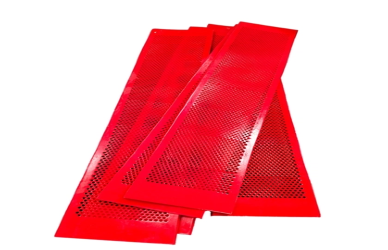
To ensure the longevity and efficiency of Polyurethane Flip Flow Screens, it’s crucial to maintain optimal working conditions. Exposure to extreme chemicals, temperatures, or other harsh environmental factors can accelerate wear and damage.
Avoid Extreme Chemicals: Polyurethane is highly resistant to many chemicals, but prolonged exposure to highly corrosive substances (e.g., strong acids or alkalis) can still degrade the material over time. Ensure the screen is used within the recommended chemical limits.
Temperature Management: Polyurethane performs well within a certain temperature range (typically -40°C to 60°C). Exposure to temperatures outside this range can weaken the material, leading to cracking or reduced elasticity. Ensure the screen operates within its designed temperature limits.
Moisture Control: While polyurethane is resistant to moisture, excessive exposure to wet conditions or flooding can cause material degradation. Keep the screening area dry and avoid prolonged immersion in water or other fluids.
Minimizing external stress factors helps preserve the screen’s integrity:
Reduce Abrasive Exposure: While polyurethane is abrasion-resistant, excessive exposure to highly abrasive materials can wear it down faster. Use appropriate materials and screen types for each application.
Control Vibration Intensity: Too much vibration can lead to component wear. Ensure the screen operates within optimal vibration parameters to reduce stress on both the screen and vibrators.
Over time, certain components of the Polyurethane Flip Flow Screen will experience wear and may need replacing. Key indicators include:
Screen Panels: If you notice cracks, tears, or significant abrasion on the polyurethane surface, it’s time to replace the screen panels. Worn panels can cause material buildup, reduce efficiency, and lead to blockages.
Vibrators: Vibrators that produce inconsistent vibration or loud, irregular noises might be damaged. If the vibration strength decreases or the vibrators are unable to maintain the required motion, they should be replaced to prevent further damage to the system.
Mounting Components: Loose or damaged mounting hardware can lead to improper alignment, affecting the screen’s performance. Regularly check bolts, fasteners, and mounts for wear.
Bearings and Shafts: Worn bearings or shafts can cause excessive friction, leading to inefficient operation and overheating. Check for any play or grinding noises that indicate wear.
Replacing worn components is essential for maintaining the efficiency and reliability of the Polyurethane Flip Flow Screen. When parts like screen panels or vibrators wear out:
Prevents Clogging: Worn-out panels or vibrators may cause the screen to lose its ability to dislodge materials, leading to clogs and reduced material flow. Replacing these parts ensures continuous, smooth operation.
Maintains Optimal Vibration: Replacing faulty vibrators restores proper vibration strength, ensuring the screen can handle challenging materials efficiently and keep the material moving.
Reduces Downtime: Timely replacement of worn parts prevents unexpected failures, reducing downtime and maintaining high productivity in your operations.
Maximizes Lifespan: Replacing worn components ensures the screen continues to perform at its best, maximizing its service life and ensuring consistent, long-term efficiency.
Daily Maintenance:
Inspect Screen Panels: Check for damage, cracks, or buildup. Clean if needed for efficient operation.
Monitor Vibrator Performance: Listen for unusual noises and ensure consistent vibration.
Clean the Screen: Remove material buildup after each shift to prevent clogging.
Check Bolts/Fasteners: Ensure all fasteners are tight to maintain screen stability.
Monthly Maintenance:
Lubricate Moving Parts: Lubricate vibrators, bearings, and shafts to reduce wear.
Inspect Components: Check the frame, mounting system, and screen panels for wear or corrosion.
Check for Early Wear: Look for signs of wear in key components like panels and vibrators.
Yearly Maintenance:
Detailed Inspection: Inspect all parts, including the vibrator and screen, for damage or wear.
Replace Worn Components: Replace parts like panels and vibrators as needed.
System Test: Run a full operational test to ensure all components function well.
Preventive Maintenance: Regular checks prevent issues that could cause unexpected downtime, ensuring smooth production.
Scheduled Downtime: Plan maintenance during low-demand times to avoid affecting productivity.
Monitor Performance: Regularly check for signs of wear, addressing problems before they impact output.
Optimize Operation: Adjust settings to match material type, keeping the screen efficient without overloading.
Regular cleaning is recommended after each shift or material batch to ensure the screen stays clear of buildup and maintains optimal performance.
Signs include decreased performance, excessive vibration, clogging, or visible wear on the screen or vibrators. Regular inspections can identify these issues early.
Regular lubrication, proper cleaning, and monitoring of environmental conditions (e.g., temperature and chemical exposure) help prevent premature wear.
Key components include the screen panels, vibrators, bolts, and fasteners. Ensuring these are tightly secured and in good condition is crucial for screen longevity.
Proper maintenance of Polyurethane Flip Flow Screens is crucial for ensuring their long-term performance and efficiency. Regular inspection, cleaning, lubrication, and timely replacement of worn components help maintain optimal operation, reduce downtime, and extend the service life of the screen. By following cost-effective maintenance practices, companies can minimize repair costs, avoid unexpected failures, and maximize productivity. The key to achieving these benefits is a proactive approach that balances regular care with operational demands. Companies like Hebei Dizhuo Rubber & Plastic Products Co., Ltd. play a vital role in providing high-quality polyurethane solutions, supporting industries with reliable and durable screening technologies. Through effective maintenance and careful management, businesses can ensure their Polyurethane Flip Flow Screens continue to deliver efficient material separation for years to come.


