

Views: 0 Author: Site Editor Publish Time: 2026-01-05 Origin: Site


Mesh screens are a critical part of coal mining operations. They separate materials based on size, improving efficiency and coal quality. Without the right screen mesh, mining productivity can suffer.
In this article, we will explore what mesh screens are made of, their role in coal mining, and how to choose the right material. You’ll learn about the benefits of different types of mesh, including woven wire cloth, PU screen mesh, and rubber screen mesh.
| Material Type | Durability | Wear Resistance | Chemical Resistance | Applications in Coal Mining |
|---|---|---|---|---|
| Woven Wire Cloth | High | Medium | Low to Medium | General coal sifting, coarse material separation |
| Polyurethane (PU) | Very High | High | High | Vibrating screens, dewatering screen mesh, fine coal separation |
| Rubber | Very High | Very High | Medium | High abrasion resistance, large debris screening |
| Plastic Mesh | Low to Medium | Low | Low | Low-cost applications, where durability is less critical |
| Perforated Metal | Medium to High | Medium | Low to Medium | Industrial filtering, large-scale debris removal |
Woven wire cloth is one of the most widely used materials for mesh screens due to its strength and versatility. Made from metals such as stainless steel, carbon steel, brass, and copper, woven wire cloth provides durability in tough mining environments. This material is highly valued for its ability to withstand wear and tear while maintaining its structural integrity, even under harsh operational conditions.
Stainless Steel: Highly resistant to corrosion, stainless steel woven wire cloth is ideal for harsh mining environments where chemical exposure is common. It is frequently used in applications where the mining process may involve corrosive substances like acids or saline water.
Carbon Steel: Known for its strength and affordability, carbon steel is a popular choice in mining, although it requires extra protection from rust. Carbon steel woven wire cloth is often used in general screening tasks but may need additional treatment or coatings to extend its lifespan.
Brass and Copper: Often used for their electrical conductivity and aesthetic appeal, these metals are less common in coal mining but can be used in specialized applications like ventilation screens or areas where electrical conductivity is required. Copper and brass woven mesh also offer antibacterial properties, which can be beneficial in certain mining-related industries.
In coal mining, woven wire cloth is used for sifting large volumes of coal and separating coarse materials from finer ones. This material provides an effective solution for general screening tasks, where the primary goal is to separate coal based on size. For coal mining operations focused on durability and corrosion resistance, stainless steel woven wire cloth is a reliable choice. It guarantees long-term performance in corrosive environments and reduces the need for frequent screen replacements.
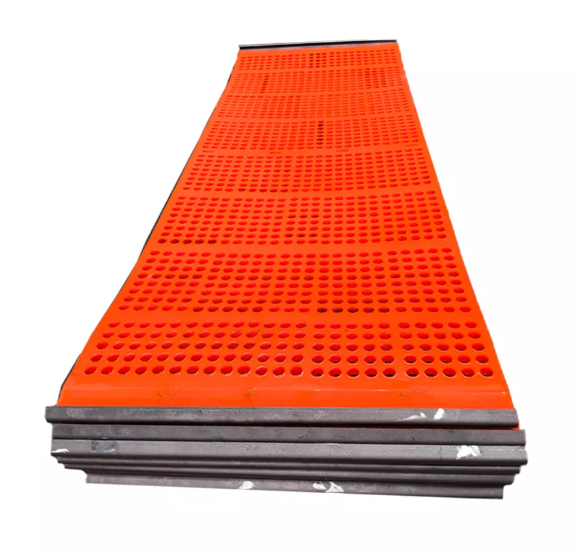
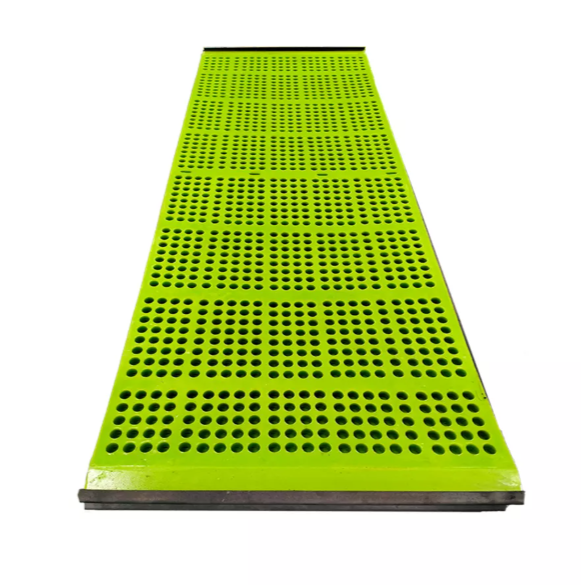
Polyurethane (PU) screen panels are increasingly popular in coal mining due to their high wear resistance and flexibility. These panels are commonly used in vibrating screens and dewatering screen mesh applications, where durability and adaptability are essential for optimal performance.
Wear Resistance: PU screen panels are highly resistant to wear and tear, making them ideal for environments where materials such as coal are constantly moving. PU is especially effective in applications that involve abrasive materials, ensuring that the screens maintain their structural integrity over time without excessive wear.
Chemical Resistance: PU is resistant to a range of chemicals, which is especially important in coal mining, where exposure to acidic or alkaline substances is common. This characteristic makes PU panels ideal for environments that involve both fine coal separation and the handling of materials mixed with water or other chemicals.
Flexibility: The flexibility of PU mesh helps reduce the chances of clogging and blinding, especially in wet or sticky coal applications. The ability to adapt to varying material types and operating conditions is a key benefit in coal mining, where the characteristics of materials may change based on the mining environment.
Due to these advantages, PU vibrating screen mesh is widely used for efficient coal separation and processing. In addition, PU panels have the added benefit of being lightweight, which reduces the strain on mining machinery and makes the installation process easier and faster. When handling abrasive or sticky materials, PU screen panels offer superior performance over traditional woven wire cloth.
Flip-flow PU panels are designed for difficult screening applications, such as separating wet and sticky materials in coal mining. These panels are specifically engineered to handle tough conditions, ensuring that the mesh doesn’t become clogged during operation. The unique structure of flip-flow screens provides continuous separation with minimal downtime, enhancing the efficiency of mining operations.
Self-Cleaning: The unique design of flip-flow screens allows them to automatically clear stuck particles, preventing blinding. This self-cleaning feature ensures that the screens continue to operate at maximum efficiency, reducing the need for manual cleaning and minimizing downtime during shifts.
High Screening Efficiency: The dynamic motion of flip-flow panels helps in separating materials quickly, improving the throughput and efficiency of coal mining operations. This type of panel is especially effective for high-volume screening, where the volume of materials being processed is substantial and the need for continuous operation is high.
For operations processing wet or sticky coal, flip-flow PU panels can significantly increase efficiency by reducing downtime caused by screen blinding. Their ability to maintain high screening rates while minimizing maintenance makes them a cost-effective solution for challenging screening tasks.
While woven wire cloth and PU screen mesh are common, there are alternative materials used in coal mining for specialized applications. These materials may not offer the same level of durability or performance as PU or woven wire mesh but are effective in certain situations.
Plastic Mesh: Lightweight and corrosion-resistant, plastic mesh is used in low-cost applications such as gardening or packaging, but is less durable in demanding coal mining environments. Plastic mesh is best suited for applications where cost is a major consideration, and the environmental conditions are less harsh.
Perforated Metal: Perforated metal mesh offers high strength and is used in industrial filtering applications. It is more suitable for situations where durability and high mechanical strength are required, but it is often heavier than woven wire mesh. While perforated metal mesh can handle larger volumes of materials, it may not perform as efficiently as other materials in fine coal separation.
For cost-effective, lightweight applications where durability is less critical, plastic mesh can be a suitable option. However, for mining operations where strength and longevity are crucial, perforated metal or rubber screen mesh is a better choice. It is important to carefully consider the material based on the type of coal being mined and the operational conditions.
| Mesh Type | Self-Cleaning | Efficiency in Wet or Sticky Materials | Maintenance Requirements | Cost Efficiency |
|---|---|---|---|---|
| Woven Wire Cloth | No | Low | High | Low |
| Polyurethane (PU) | Yes | High | Low | Medium |
| Flip-flow PU Panels | Yes | Very High | Very Low | High |
| Rubber Screen Mesh | No | High | Low | High |
| Plastic Mesh | No | Low | Medium | Very Low |
Mesh screens are primarily used to separate coal into different grades by size. The screens sift coal to remove fine dust and debris, ensuring that only high-quality coal is sent for further processing. This separation process is essential for maximizing the value of coal extracted from the ground and improving the overall yield.
Fine Coal Separation: Mesh screens are designed to capture fine particles while allowing larger pieces of coal to pass through. This process ensures that fine coal can be processed separately and does not contaminate the larger coal pieces, improving the quality of the final product.
Screen Hole Size: The size of the mesh openings is a key factor in the efficiency of coal separation. Smaller holes are used to separate finer coal particles, while larger openings allow for the passage of larger coal pieces. The right mesh size improves efficiency, reduces waste, and ensures that coal of the appropriate size reaches the next phase of processing.
Adjusting the screen mesh size based on the particle size of the coal being processed can improve the efficiency of the separation process. The correct mesh design ensures that coal is separated effectively and in the shortest amount of time, enhancing the overall operation.
Coal mining is a high-impact industry, and mesh screens must withstand abrasive materials and harsh operating conditions. Materials like PU screen mesh and rubber screen mesh offer excellent wear resistance, ensuring that the screens maintain their performance over time.
PU Screen Mesh: PU panels last longer than traditional woven wire cloth in high-impact environments, reducing the need for frequent replacements. Their durability ensures continuous operation, even in environments with high mechanical stress.
Rubber Screen Mesh: Rubber offers high elasticity and resistance to abrasion, making it an ideal choice for operations where coal or other abrasive materials can wear down screens quickly. It also has excellent vibration-damping properties, which are beneficial in reducing wear and tear on the screening equipment.
For mining environments with high levels of abrasion, consider rubber screen mesh or PU vibrating screen mesh for superior durability. The combination of strength and flexibility ensures that these materials can handle the demanding conditions of coal mining without frequent maintenance.
In coal mining, separating fine coal from larger debris is essential for maximizing productivity. Mesh screens help achieve this by filtering out larger particles while allowing fine coal to pass through. This separation ensures that valuable coal is not wasted, and the processing operation runs efficiently.
Coarse Material Removal: Larger mesh sizes are used to remove coarse materials, while finer meshes capture smaller coal particles. This dual function helps ensure that the final product is of high quality and free from debris that could affect its usability.
High Efficiency: Properly selecting the mesh size improves the efficiency of coal separation, ensuring high-quality output with minimal waste. By fine-tuning the mesh design, operators can maximize throughput while maintaining excellent separation performance.
Use dewatering screen mesh for separating fine coal from water during the washing process, ensuring better recovery rates. Dewatering screens help remove excess moisture, improving the efficiency of the mining process and reducing the overall environmental impact.
Durable mesh screens are crucial for minimizing downtime in coal mining operations. Self-cleaning flip-flow PU panels and rubber screen mesh help reduce the need for manual cleaning and maintenance, ensuring smooth and continuous operations.
Self-Cleaning Technology: Some advanced mesh screens feature self-cleaning capabilities that reduce the need for manual intervention and extend the lifespan of the screens. This feature is especially valuable in mining environments where materials can quickly clog or blind the screens.
Durability: Choosing the right material for mesh screens, such as PU screen mesh or rubber screen mesh, can significantly reduce maintenance needs and increase overall productivity. Less frequent screen replacement and reduced downtime allow mining operations to maintain high output levels.
Investing in durable rubber screen mesh or flip-flow PU panels can save time and costs associated with screen maintenance and downtime, helping maintain the efficiency of mining operations.
| Factor | Description |
|---|---|
| Material Type | Choose based on durability, chemical resistance, and the mining environment. |
| Aperture Size | Select the mesh size that matches the coal particle size for effective separation. |
| Wear Resistance | Consider materials with high wear resistance like PU and rubber for longer screen life. |
| Cost Efficiency | Balance the initial cost with long-term savings from reduced maintenance and longer service life. |
| Maintenance Needs | Some materials, like PU, require less maintenance due to their self-cleaning properties. |
When choosing the right screen mesh for coal mining, there are several factors to consider:
Material Type: The material should be durable and resistant to the harsh conditions in coal mining. Whether you choose woven wire cloth, PU screen mesh, or rubber screen mesh, the material must be suitable for handling abrasive and corrosive environments.
Aperture Size: The size of the mesh openings should match the size of the particles to be separated. A well-chosen mesh size will optimize throughput and prevent clogging.
Wear Resistance: Choose materials that can withstand abrasion and impact, such as PU screen mesh or rubber screen mesh. These materials are designed to handle heavy-duty tasks in coal mining without frequent wear or degradation.
For high-impact environments, materials like PU screen mesh offer the best wear resistance and longevity. When selecting mesh materials, it's essential to prioritize durability and adaptability to ensure the highest level of performance and efficiency in mining operations.
Customization is key to ensuring optimal mesh performance in coal mining operations. Tailored mesh sizes and materials can help meet specific processing needs.
Custom Mesh Sizes: Tailoring the aperture size based on the material being processed ensures efficient separation and improved productivity. The ability to customize the mesh size allows operators to meet the exact needs of the coal being mined and the mining equipment used.
Specialized Materials: Depending on the mining conditions, materials like polyester screen mesh or rubber screen mesh can be customized to suit specific applications. Custom solutions can provide enhanced performance in challenging environments, increasing the overall lifespan of the screens.
Always consider customized PU vibrating screen mesh for better adaptability to specific coal mining processes. Customization ensures that the mesh screens deliver the best possible results for the unique demands of each mining operation.
Mesh screens are essential for improving operational efficiency in coal mining. They separate materials quickly, ensuring that only quality coal is processed while waste and debris are removed. Efficient screening helps increase the throughput and reduces the chances of losing valuable coal.
High Screening Rates: Mesh screens with the right aperture size offer high throughput, increasing the efficiency of coal extraction. Fast material processing ensures that mining operations stay on schedule and meet production targets.
Faster Material Processing: By using the correct mesh for the task, material flow is optimized, speeding up the screening process. With the right material and mesh size, the separation process becomes faster and more effective.
Investing in high-quality dewatering screen mesh can improve the speed and efficiency of coal processing. This not only boosts productivity but also helps reduce environmental impacts by improving resource recovery rates.
Using efficient mesh screens not only boosts productivity but also contributes to sustainability by reducing waste. Coal mining operations can significantly reduce their environmental footprint by choosing high-efficiency mesh screens that minimize waste material.
Efficient Coal Recovery: By separating coal more effectively, mesh screens minimize the loss of valuable coal during extraction. This improves the overall sustainability of the operation.
Waste Reduction: High-efficiency screens help reduce the volume of waste material, contributing to more sustainable mining practices. Efficient coal separation reduces the need for additional processing and minimizes environmental impact.
Adopting PU screen mesh and other durable materials reduces waste and enhances recovery rates, supporting sustainability efforts in mining.
While upfront costs may vary, investing in durable and high-performance mesh screens like rubber screen mesh and PU vibrating screen mesh can provide long-term savings. High-quality screens can offer extended service life, reducing the need for frequent replacements and minimizing maintenance costs.
Extended Service Life: Durable materials like PU screen mesh offer extended service life, reducing the frequency of screen replacements. This leads to lower long-term operational costs.
Lower Maintenance Costs: Self-cleaning and wear-resistant screens reduce maintenance costs and downtime, ultimately improving profitability. Reducing the frequency of maintenance and replacing screens less often helps save time and money.
Choosing high-quality rubber screen mesh or PU screen mesh can achieve long-term savings and efficiency, helping mining operations maintain profitability while improving overall productivity.
In conclusion, selecting the right mesh screen is crucial for optimizing coal mining operations. Understanding the materials, such as woven wire cloth, polyurethane (PU), and rubber, helps operators make the best choice. Whether it’s PU screen mesh for wear resistance or rubber screen mesh for durability, each material has its unique advantages. Coal mining operators should consider material, mesh size, and durability to improve productivity, reduce maintenance, and support sustainability.
Regularly evaluating and upgrading mesh screens ensures continued efficiency in competitive mining environments. For businesses seeking high-performance solutions, Hebei Dizhuo Rubber & Plastic Products Co., Ltd offers reliable rubber and plastic products tailored to meet the demanding needs of coal mining operations. Their products provide exceptional value, ensuring durability and enhanced performance.
A: Screen mesh in coal mining is typically made from materials like woven wire cloth, polyurethane (PU), and rubber screen mesh. These materials provide the durability and flexibility required for coal separation.
A: PU screen mesh is commonly used in coal mining for its high wear resistance and flexibility. It is ideal for vibrating screens and dewatering screen mesh applications, efficiently separating fine coal from debris.
A: Rubber screen mesh is preferred in coal mining due to its excellent durability and resistance to abrasion. It helps in large debris separation and provides long-lasting performance in harsh mining environments.
A: Polyester screen mesh is lightweight, durable, and corrosion-resistant. It is often used for lower-cost applications, although it may not perform as well as other materials like PU in heavy-duty mining tasks.
A: Dewatering screen mesh is used in coal mining to separate fine coal from water. It helps in recovering valuable coal while ensuring efficient water removal, enhancing productivity in the mining process.


