

Views: 0 Author: Site Editor Publish Time: 2026-08-31 Origin: Site


Even the highest-grade screening media will underperform, degrade prematurely, or fail catastrophically if installed incorrectly on the vibrating screen deck. Plant managers and maintenance engineers often attribute poor stratification, pegging, or blinding directly to the screen media itself. This assumption overlooks a critical operational reality. Improper seating, compromised deck frames, and mismatched fastening systems destroy screening efficiency. These installation failures inflate operational costs and disrupt production schedules.
Maximizing the return on investment for any screening operation requires treating installation as a critical engineering variable rather than a basic maintenance task. Proper execution directly dictates how well the media handles high-frequency vibration and heavy material loads. To achieve optimal throughput, operations must implement a strict evaluation framework. We must assess deck compatibility, mounting systems, installation tolerances, and labor efficiency before a single panel is locked into place.
Deck Integrity is Non-Negotiable: A modular polyurethane screen relies entirely on the structural trueness of the underlying stringers and camber; warped frames guarantee uneven wear, reduced impact resistance, and shortened service life.
Mounting System Compatibility Dictates Performance: The choice between pin-and-sleeve, snap-in, or rail fastening systems directly impacts installation speed, retention security under high-frequency vibration, and maintenance downtime.
Seating Tolerances Prevent Fines Bypass: Improper panel-to-panel sealing during installation leads to material bypass, contaminating the final product and accelerating wear on the sub-frame.
Hardware Reduction Drives Throughput: Properly installed modular systems eliminate the bulky hardware of side-tensioned media, streamlining material flow and significantly increasing throughput potential.
Standardized Installation Protocols Reduce Risk: Implementing strict pre-installation audits and torque/seating verifications mitigates the risk of panel dislodgement and uneven load distribution.
Defining the baseline expectations for a properly installed aggregate screening panel requires looking at the output quality. Success criteria include zero fines bypass, uniform wear patterns across the deck, and maximum open area utilization. The panel must maintain structural stability under peak load conditions. If the installation is flawed, these criteria are immediately compromised. A panel that sits unevenly will disrupt the material bed depth. This disruption alters stratification, preventing undersize particles from finding the apertures and dropping through to the next deck.
Modular systems function differently than traditional side-tensioned wire cloth. They are engineered to distribute vibrational energy and material weight evenly across multiple independent sections. This modular design demands precise execution. Side-tensioned media relies on stretching the cloth across a crowned deck to create rigidity. Modular panels rely on a perfectly flat or precisely cambered sub-structure to support their internal reinforcement. If the substructure is uneven, the vibrational energy concentrates on specific points of the panel. This localized stress leads to rapid fatigue and structural failure, often tearing the polyurethane matrix apart from the inside out.
One major advantage of modular systems is hardware reduction. Side-tensioned media requires clamp bars, tensioning bolts, and heavy side plates. This hardware creates obstructions along the edges of the screen deck. Material often builds up against these obstructions, reducing the effective screening area and causing localized wear on the side plates. Properly installed modular systems feature a simplified, flat profile. Eliminating extra tensioning hardware removes flow obstructions. This smooth surface allows material to spread evenly across the entire width of the deck, which dramatically increases material throughput and utilizes every available square inch of open area.
The financial impact of installation errors extends far beyond the cost of the panels. Poor installation introduces hidden operational penalties. Unplanned downtime for readjusting loose panels halts production, costing thousands of dollars per hour in lost revenue. Accelerated localized wear forces premature replacements, doubling or tripling the annual media budget. Compromised product specification compliance occurs when fines bypass unseated edges, contaminating the clean aggregate pile and forcing costly material reprocessing. These inefficiencies compound daily, severely impacting the overall profitability of the processing plant.
The condition of the screen box directly dictates the lifespan of the media. Inspecting the cross members and stringers for fatigue, cracking, or material buildup is mandatory prior to installation. A modular polyurethane screen cannot compensate for a broken or sagging deck frame. Any rust scale or hardened material left on the stringers prevents the panels from seating flat. This creates high spots that take the brunt of the material impact, wearing out exponentially faster than the rest of the deck. Maintenance crews must use wire brushes or needle scalers to strip the stringers down to bare metal before laying down new rail protection.
Deviations in the deck's camber severely disrupt material flow. The camber is designed to spread material evenly from the center to the edges. If the stringers are warped or the camber is inconsistent, the material bed depth alters. Material will channel into valleys, overloading specific panels while leaving others underutilized. This uneven distribution destroys the intended flow rate and drastically reduces screening efficiency. Stringer spacing must be verified with a tape measure at multiple points along the deck. A tolerance of more than +/- 2mm in stringer spacing will make pin-and-sleeve panels nearly impossible to install without shearing the pins.
Impact resistance degradation is a direct consequence of poor stringer alignment. Polyurethane is highly resilient, but it requires solid backing to absorb heavy feed impacts. Unsupported panel sections occur when stringers are warped or center supports are missing. When heavy rock strikes an unsupported section, the polyurethane flexes beyond its design limits. This excessive flexing causes micro-fractures in the internal steel or synthetic reinforcement, leading to premature structural failure. The feed zone is particularly vulnerable; if the impact area lacks rigid sub-frame support, the panels will cave in within weeks of installation.
The chosen securing method fundamentally impacts overall equipment stability. Fastening systems must match the operational demands of the specific application. Heavy-duty scalping requires maximum retention security, while fine screening might prioritize rapid change-outs. Selecting the wrong system leads to panels vibrating loose or excessive maintenance delays during scheduled shutdowns.
Comparing installation realities reveals distinct differences between systems. Pin-and-sleeve systems offer extremely high security. They lock the panels tightly to the substructure, making them ideal for heavy impact zones and high-G applications. However, they require precise alignment of the pin holes and the underlying frame. Driving a pin into a misaligned hole will shear the polyurethane sleeve, rendering the fastening point useless. Snap-in systems allow for much faster replacement. Maintenance teams can pop them in and out with minimal tooling, often using just a pry bar and a dead-blow mallet. The trade-off is that snap-in systems require pristine rail conditions. If the rails are worn, bent, or packed with fines, the snap-in mechanism will not engage fully, leading to panel ejection.
Flush panel-to-panel joints are critical for maintaining product integrity. When panels are installed, the edges must compress against each other tightly. Any gap between the panels creates a direct path for material bypass. Oversize material wedging into these gaps will force the panels further apart. This not only contaminates the undersize product but also exposes the steel sub-frame to aggressive abrasion. Installers must visually inspect every joint and run a putty knife along the seams to ensure no gaps exist before signing off on the installation.
Thermal expansion and contraction must be accounted for during installation. Polyurethane expands in hot environments and contracts in freezing conditions. If panels are installed tightly during extreme cold, they may buckle upward when the temperature rises, creating a washboard effect on the deck. Conversely, panels installed during extreme heat may contract and leave gaps when the temperature drops. Installers must understand the thermal properties of the specific polyurethane blend and adjust seating tolerances accordingly. Leaving panels out in the sun to soften before installation is a common field trick to make snap-in systems easier to seat, but crews must work quickly before the material cools and stiffens.
Installation tightness dictates the panel's ability to withstand high G-forces. Vibrating screens subject the media to intense, continuous acceleration, often operating between 4G and 6G at speeds of 800 to 1200 RPM. If a panel is not locked down securely, it will begin to flutter independently of the deck frame. This independent movement is destructive and audible; a rattling screen deck is a clear indicator of loose media.
Fluttering causes the panel to slap against the stringers. This continuous impact generates excessive heat and mechanical stress. The internal structural reinforcement of the panel will eventually suffer fatigue failure, snapping inside the polyurethane matrix. Ensuring that every fastening point is fully engaged and torqued to specification is the only way to prevent vibration-induced destruction. For bolted systems, using calibrated torque wrenches rather than pneumatic impact guns prevents over-compressing the polyurethane, which can crush the internal steel frame.
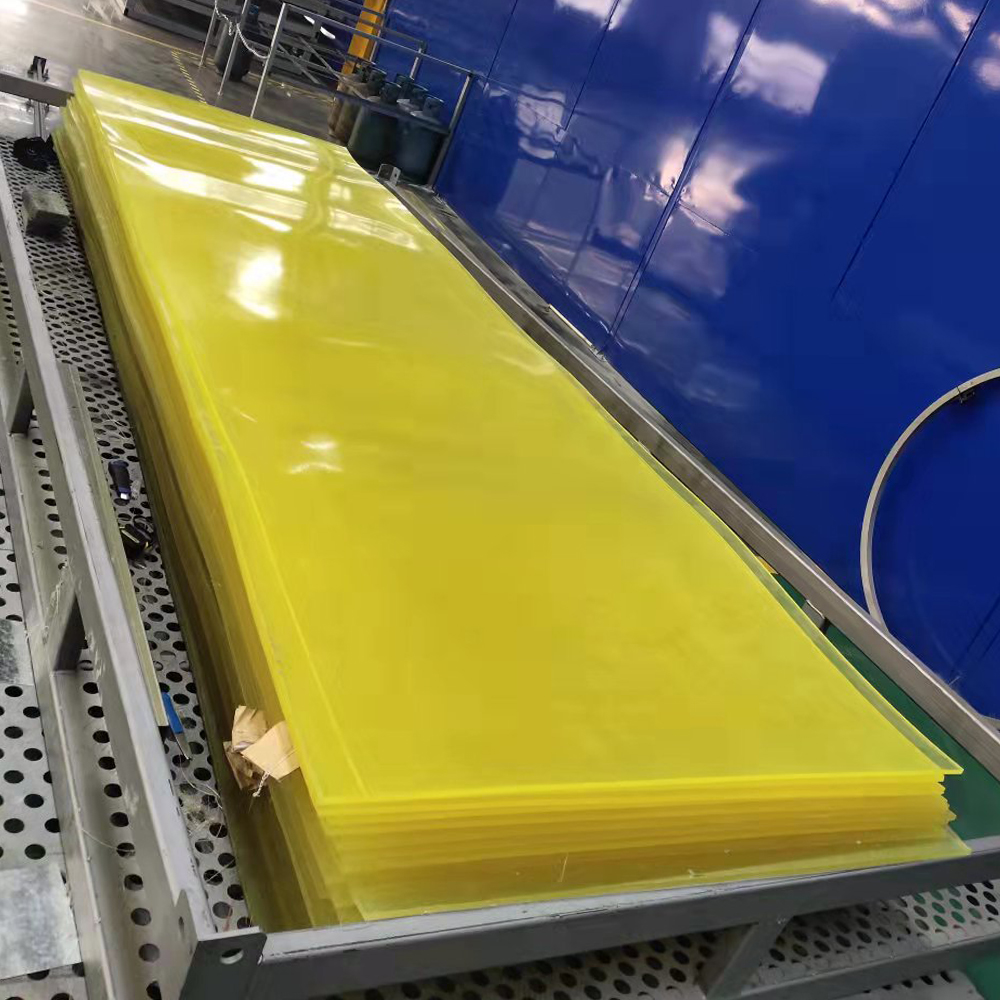
Selecting a modular system requires a strict evaluation of existing plant infrastructure. Decision-makers must break down the available options based on deck condition, labor availability, and production targets. Not all modular systems fit all screen boxes. The approach must align the physical characteristics of the screen media with the mechanical realities of the vibrating equipment. A heavy-duty scalping screen requires a fundamentally different mounting approach than a high-frequency dewatering screen.
Operations constantly balance the need for rapid change-outs against the requirement for maximum holding power. Systems designed for speed utilize snap-in tracks or grooved rails. These reduce labor hours significantly during maintenance shutdowns. A single worker can replace a worn section in minutes without specialized tools, minimizing confined space entry time and getting the plant back online faster.
However, heavy-duty scalping applications demand different priorities. Large feed sizes and massive tonnage require systems designed for maximum holding power. Bolted systems or heavy-duty pin-and-sleeve configurations take longer to install. They require more labor, precise alignment, and specific tooling. The trade-off is necessary to prevent a replaceable screen panel from being ejected under heavy load. When a 10-inch rock drops onto the deck, the fastening system must absorb that kinetic energy without yielding.
The safety and labor cost benefits of modular systems are substantial. Traditional side-tensioned wire cloth is heavy, rigid, and dangerous to handle. Installing it often requires cranes, come-alongs, and multiple personnel wrestling with sharp edges. This process is ergonomically hazardous, leading to pinched fingers, strained backs, and extended downtime.
A modular mining screen changes this dynamic entirely. The lightweight nature of individual modular panels reduces physical strain. One or two technicians can safely carry and position the panels by hand. This eliminates the need for heavy lifting equipment on the narrow walkways of a screen tower. Installation time drops drastically, provided the mounting system is properly aligned and clean. The modular approach also allows maintenance teams to replace only the worn sections—typically down the center of the deck—rather than discarding an entire sheet of wire cloth because of one localized hole.
Converting a side-tensioned deck to accept modular media introduces specific complexities. The screen box was originally engineered for tensioned cloth, meaning the camber and stringer spacing might not perfectly match standard modular dimensions. Retrofitting requires installing adapter rails or cutting out the old camber bars and welding in a completely new sub-frame. This welding must be done by certified professionals to avoid warping the screen box side plates from excessive heat.
Using third-party adapter rails carries inherent risks. Stack-up tolerances become a major issue. Every layer added to the deck—the stringer, the adapter rail, the fastening mechanism—introduces a potential point of failure or misalignment. Furthermore, adapter rails alter the overall deck height. This change can disrupt the feed angle, alter the trajectory of the material, and reduce clearance at the discharge lip. Utilizing OEM conversion kits designed specifically for the exact make and model of the screen box is the only reliable way to mitigate these retrofitting risks and ensure the new modular system performs as intended.
Observing installation failures across aggregate and mining operations reveals recurring patterns. The most frequent risks stem from rushed procedures and inadequate surface preparation. These errors compromise the integrity of the entire screening surface, leading to premature failure regardless of the polyurethane's quality.
Installation Risk | Root Cause | Operational Consequence |
|---|---|---|
Incomplete Seating | Visual inspection only; failure to physically verify engagement with a mallet. | Vibration dislodges panels, causing unplanned downtime and material bypass. |
Debris Interference | Failing to clean rails, pin holes, and grooves before installation. | Trapped fines act as a wedge, leading to false seating and eventual panel ejection. |
Hammer Damage | Using steel hammers instead of dead-blow mallets to force panels into place. | Micro-fractures in the polyurethane matrix; crushed internal steel; damaged locking edges. |
Misaligned Pins | Forcing pins into misaligned holes due to warped stringers. | Sheared polyurethane sleeves; useless fastening points; loose panels. |
Thermal Buckling | Installing panels too tightly in freezing conditions without expansion gaps. | Panels warp upward when temperatures rise, disrupting material flow and causing rapid wear. |
Establishing strict mitigation protocols eliminates the guesswork from panel installation. Maintenance teams must follow standardized procedures to ensure every panel performs as engineered. Relying on memory or rushing the job during a short shutdown window guarantees mistakes.
Implement a standardized pre-installation checklist that mandates thorough cleaning of the deck, dimensional measuring of stringer spacing, and dry-fitting of the first row of panels to verify alignment.
Utilize specific tooling, such as heavy polyurethane dead-blow mallets, to seat panels without causing impact damage to the screening surface. Never allow steel hammers on the screen deck.
Adhere strictly to OEM torque specifications for any bolted modular systems to prevent over-compression of the polyurethane, which can crush the internal reinforcement.
Inspect the underside of the screen deck with a flashlight after installation to visually confirm that all pins, sleeves, or snap-in rails are fully protruding through the stringer holes and locked in place.
Execute a post-installation run-in procedure by operating the screen empty for a set duration (typically 15 to 30 minutes). This allows technicians to verify acoustics, check for fluttering, and confirm seating before introducing the material feed.
Preparation begins long before the old media is removed. You must verify that the ordered panels match the specific deck dimensions perfectly. Check the aperture requirements against the current production targets. Ensure the chemical and abrasion resistance properties of the polyurethane blend match the specific rock type and moisture content of the application. Installing a panel designed for dry sand into a wet, highly abrasive gravel application guarantees premature failure. Additionally, verify that the open area percentage of the new modular panels meets the throughput requirements of the plant, as modular systems typically have slightly less open area than thin wire cloth due to the thicker polyurethane borders.
The sub-frame protection is just as important as the screening media itself. Mandate the inspection of all stringer capping rubber or polyurethane rail protectors. These components provide a buffer between the steel frame and the screen panel, absorbing vibration and preventing metal-to-metal contact. If the stringer caps are worn, flattened, or missing, the panel will not fit tightly. This looseness leads to severe steel-on-polyurethane wear, which rapidly destroys the underside of the modular panels. Replace worn rail protection every time you install a new set of media. Skipping this step to save a few dollars on rubber will cost thousands in ruined screen panels.
Environmental conditions immediately prior to installation affect the physical properties of polyurethane. Storing panels in extreme cold makes the material rigid and difficult to seat, especially for snap-in systems. Technicians will struggle to force the stiff polyurethane into the mounting grooves, increasing the risk of hammer damage. Conversely, leaving panels in direct, intense sunlight can make them overly flexible, temporarily altering their seating tolerances and making them difficult to align perfectly. Stage the replacement panels in a temperature-controlled environment, or at least in the shade, to maintain consistent material flexibility during the installation process.
The operational success, impact resistance, and longevity of a modular polyurethane screen are inextricably tied to the precision of its installation. Even the most advanced media designs will fail if the underlying deck is compromised or the fastening system is improperly engaged. Treating installation as an exacting mechanical procedure rather than a rough maintenance task is the only way to achieve maximum throughput and wear life. A perfectly installed deck operates quietly, stratifies material efficiently, and wears evenly across its entire surface.
Procurement and maintenance teams must evaluate modular systems holistically. Do not select panels based solely on price or open area percentages. Base your shortlisting logic on the compatibility of the mounting hardware with your specific deck conditions, labor resources, and maintenance capabilities. A system that is difficult for your crew to install correctly will ultimately cost more in downtime and ruined media than a slightly more expensive, user-friendly system.
Schedule a comprehensive screen deck audit to measure stringer alignment and camber before ordering new media.
Replace all worn stringer caps and rail protectors to ensure a tight, vibration-resistant fit.
Equip maintenance teams with dead-blow mallets and specialized removal tools to prevent damage during change-outs.
Implement a mandatory empty run-in procedure to verify panel seating before introducing material feed.
A: Incorrect camber prevents panels from seating flat against the substructure. This misalignment creates gaps between panels, leading to material bypass. It also leaves sections of the panel unsupported, which drastically reduces impact resistance and causes uneven wear as material channels into lower areas of the deck.
A: Yes, but it requires a retrofitting process. You must install conversion rails or a completely new sub-frame to provide the flat, modular grid required. It is critical to verify the structural integrity of the old deck first, as adapter systems introduce new stack-up tolerances and alter deck height.
A: Improper seating is the primary cause. This usually happens when maintenance teams fail to clean debris from the rails or grooves before installation. Trapped fines prevent the locking mechanisms from engaging fully, allowing high-frequency vibration to eject the panel.
A: Polyurethane has a specific thermal expansion coefficient. Extreme cold makes the material rigid, making snap-in panels very difficult to seat properly. Extreme heat can cause panels to expand, potentially causing buckling if installed too tightly without accounting for cooling contraction.
A: Yes. Different mounting profiles consume varying amounts of deck space. Wide rail systems or bulky bolted hold-downs take up surface area that could otherwise contain apertures. Narrow pin-and-sleeve systems generally maximize the available open area, directly impacting potential throughput.
A: Modular panels are lightweight and sized for easy handling by one or two people. This eliminates the need for cranes or heavy lifting equipment required for traditional tensioned wire cloth. It significantly reduces physical strain, pinch-point hazards, and overall installation time.
A: Stringer caps should be inspected during every panel change-out. As a rule of thumb, replace them whenever they show signs of flattening, cracking, or embedding of fines. Maintaining fresh sub-frame protection is essential to keep panel tension tight and prevent structural damage.


