

Views: 0 Author: Site Editor Publish Time: 2025-12-31 Origin: Site


Mining operations rely heavily on precise material separation. Without the right tools, valuable resources are often wasted. Screen mesh plays a pivotal role in this process, ensuring efficient sorting and classification of materials like ores, coal, and gravel.
In this article, we’ll explore the importance of screen mesh, its various types, key applications, and best practices for maintaining it in mining operations.
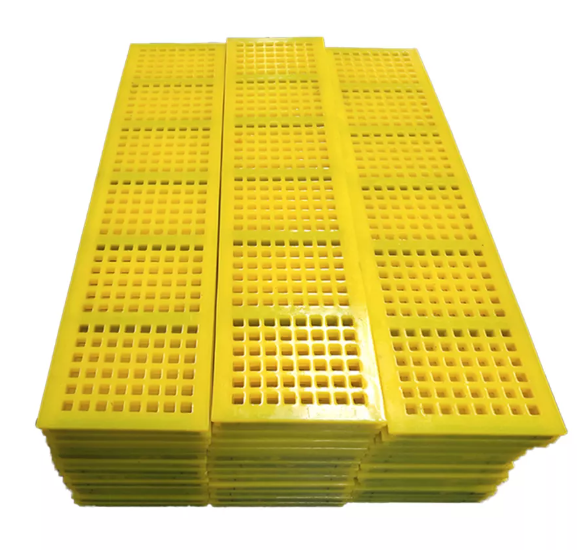
Mining screen mesh refers to woven wire screens used in mining operations to separate materials based on size. The mesh works by allowing smaller particles to pass through while retaining larger particles on top. This separation is crucial before processing because it ensures that only the desired size materials continue down the production line.
The screen mesh acts as a filter, sorting materials into different grades or sizes, making it easier for downstream processes like flotation, leaching, and separation. In the mining industry, screen mesh plays a critical role in ensuring the proper classification and preparation of materials for further treatment. Without the right mesh, many valuable minerals could be lost, and mining operations could become less efficient and more costly.
Mining screen meshes are typically made from either high-carbon steel or stainless steel, depending on the specific application and operational conditions. High-carbon steel offers greater strength and wear resistance, making it ideal for high-impact environments, such as ore crushing and mineral extraction processes. On the other hand, stainless steel is preferred in environments exposed to moisture, corrosive chemicals, or extreme temperatures due to its superior corrosion resistance.
65Mn Steel: This steel strikes a balance between strength and cost-effectiveness. It is widely used for its durability in mining environments where impact resistance is key.
Stainless Steel (301, 304, 316): Known for its exceptional corrosion resistance, stainless steel is perfect for wet or chemically aggressive environments commonly found in industries such as coal mining or gold processing.
| Material | Strength | Corrosion Resistance | Ideal Use | Examples of Use |
|---|---|---|---|---|
| High-carbon steel | High | Low | High-impact, wear-resistant areas | Ore crushing, processing |
| Stainless Steel | Medium | High | Corrosive or wet environments | Coal washing, gold processing |
Mining screen mesh comes in several designs, each suited for specific applications in the mining industry. The most common types include:
| Type of Mesh | Material Used | Key Characteristics | Common Applications |
|---|---|---|---|
| Woven Wire Mesh | High-carbon steel | Durable, resistant to wear | Ore processing, coal washing |
| Perforated Plates | Steel | Ideal for large materials | Screening larger particles |
| Polyurethane Screens | Polyurethane | Flexible, wear-resistant | Coal washing, tailings management |
| Self-Cleaning Mesh | Various materials | Prevents clogging, continuous operation | Sticky materials processing |
Mining screen mesh is vital in the initial stages of ore processing, where it separates crushed ore into various size fractions. This is necessary for further processing like flotation, magnetic separation, or leaching. By efficiently classifying ores, screen mesh ensures that only the appropriate particle sizes move forward in the processing cycle.
For example, in copper mining, screen mesh helps divide the ore into coarse, medium, and fine particles. Coarse particles may require additional crushing, while fine particles can proceed directly to the next processing stage. This step in the mining process is crucial for optimizing recovery rates and preventing waste.
Example:
In copper mining, the screen mesh is used to separate the ore into coarse, medium, and fine particles. Coarse particles may require additional crushing, while fine particles can proceed directly to the next processing stage.
After extracting valuable minerals from ore, slag and tailings—waste materials—are often left behind. Mining screen mesh plays an essential role in recycling these by separating residual minerals from waste. This contributes to better resource utilization, improving the overall efficiency of mining operations while also supporting environmental sustainability.
Tailings, which are often a by-product of the ore extraction process, may still contain trace amounts of valuable minerals. By using mining screen mesh to further separate the waste materials, companies can recover these residual minerals, contributing to the more efficient use of resources and reducing waste.
Example:
By using PU screen mesh, mining companies can recover valuable minerals from tailings, improving overall resource efficiency. This method helps minimize the environmental footprint of mining activities while maximizing the return on raw materials.
In sand and gravel extraction, screen mesh is used to separate fine particles from coarse aggregates, ensuring the right size and quality for construction purposes. It is used in the classification of materials, particularly in applications like concrete production, road construction, and landscaping. With the proper screen mesh, sand and gravel producers can meet exact specifications for their products, ensuring consistent quality and reducing material waste.
Mining screen mesh helps ensure that only the right size materials are used in the production of concrete, asphalt, or other construction materials. For example, fine sand separated by the mesh can be used in concrete, while larger gravel can be used for roads or foundations.
In coal and metal ore mining, screen mesh is used to classify materials after crushing. This ensures that the coal or metal ore is properly sized for the next stage in the processing line. The mesh helps separate fine coal from larger chunks or separates ore into different grades, allowing for efficient processing and minimizing wastage.
Example:
Polyester screen mesh is commonly used in coal washing plants to separate coal from impurities like rocks and dirt, ensuring that only the cleanest coal moves forward for further processing.
The durability of mining screen mesh is crucial in harsh mining environments, where heavy materials like rocks, ore, and coal are processed. High-quality screen mesh can withstand significant wear and tear, ensuring longevity and reducing downtime due to frequent replacements.
Example:
PU vibrating screen mesh is highly recommended in mining operations for its superior wear resistance and ability to handle heavy-duty impact, making it ideal for ore processing and other high-impact applications.
Selecting the right mesh size is essential for effective separation. A mesh that is too large may allow valuable materials to escape, while a mesh that is too small may block the flow of materials and reduce operational efficiency. By selecting the correct mesh size, mining companies can improve material separation, leading to higher product quality and better resource recovery.
Example:
Rubber screen mesh offers flexibility in choosing the appropriate mesh size for various materials, ensuring precise separation without clogging.
Investing in durable, high-quality screen mesh leads to cost savings in the long run. Fewer replacements, less maintenance, and improved efficiency contribute to lower operational costs. The durability of high-quality mesh means fewer equipment failures and less downtime, contributing to better profitability.
The material being processed plays a significant role in selecting the correct screen mesh. Different materials require different mesh types and sizes for efficient separation. For example, materials like coal, gravel, and ores have different particle sizes, requiring mesh screens designed specifically for each.
Choosing the correct mesh size depends on the particle size distribution of the material. A mesh that’s too fine may block the flow, while a mesh that’s too coarse may fail to separate the smaller, valuable materials. It’s important to match the mesh size with the desired separation requirements to achieve optimal processing efficiency.
The operational environment, including temperature, humidity, and the presence of chemicals, will impact the mesh material choice. For wet conditions, polyurethane screen mesh is ideal due to its superior flexibility and resistance to wear, ensuring longevity in harsh environments.
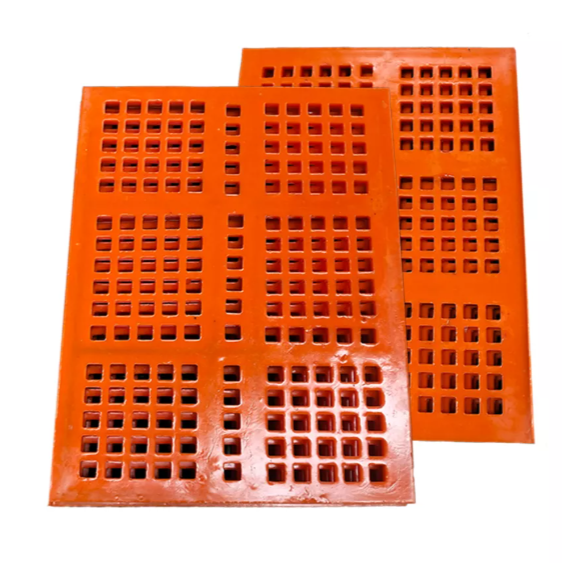
Clogging is a common issue in mining screen mesh, especially when dealing with fine particles or sticky materials. To prevent this, consider using self-cleaning mesh types, like PU dewatering screen mesh, which is designed to prevent material buildup and ensure continuous operation. These screens are engineered to reduce maintenance needs and improve overall performance.
To extend the lifespan of your mining screen mesh, regular inspections, cleaning, and timely replacement of damaged mesh are essential. Rubber screen mesh is often preferred for its wear-resistant properties, especially in abrasive environments. By regularly inspecting the mesh, mining companies can ensure that their equipment continues to operate efficiently without interruption.
Incorrect mesh sizing can lead to inefficiency in material separation, increased downtime, and higher operational costs. Always choose a mesh size that matches the material’s particle size distribution. This ensures that the separation process is as efficient as possible and helps avoid processing bottlenecks.
Regular inspections are necessary to detect any wear, damage, or clogging in the mesh. Early detection of issues can help reduce downtime and prevent costly repairs. Ensuring that the mesh remains in good condition will result in better overall performance and a longer lifespan.
Clean the mesh regularly to prevent material buildup that can block openings. For dewatering screen mesh, periodic rinsing is essential to keep the mesh clear and functioning properly. Routine cleaning helps maintain efficiency and minimizes the likelihood of issues arising due to blockages.
Replacing the screen mesh at the right time is crucial to avoid unplanned downtime. Look for signs of wear, such as visible holes, tearing, or a decrease in separation efficiency, which indicate that the mesh needs replacing. Timely replacement ensures that mining operations remain uninterrupted and at peak efficiency.
Mining screen mesh plays a vital role in optimizing mining operations. It enhances material separation, reduces waste, and boosts processing efficiency. By selecting the right mesh type, size, and material, and ensuring proper maintenance, mining operations can run more smoothly and cost-effectively.
At Hebei Dizhuo Rubber & Plastic Products Co., Ltd, their high-quality mining screen mesh products offer durability and reliability, providing excellent value for mining operations. Their solutions ensure efficient processing and extended equipment life, helping businesses optimize both costs and performance.
A: A mining screen mesh is a woven wire mesh used in mining operations to separate materials by size. It helps classify materials like ores, coal, and gravel for further processing.
A: Screen mesh works by allowing smaller particles to pass through while retaining larger particles. This ensures efficient separation and sorting of materials, crucial for processing.
A: PU screen mesh is known for its flexibility and durability, ideal for harsh conditions. Polyester screen mesh is typically used in applications where wear resistance and strength are needed.
A: PU vibrating screen mesh is highly durable and resistant to wear, making it ideal for high-impact applications. It ensures continuous operation without clogging, improving efficiency.
A: Regular inspections, cleaning, and timely replacement are key. For example, dewatering screen mesh requires periodic rinsing to maintain optimal performance.
A: Rubber screen mesh offers flexibility and resistance to wear, making it suitable for abrasive environments. It provides durability and ensures high-efficiency material separation.


