

Views: 0 Author: Site Editor Publish Time: 2026-01-09 Origin: Site


How do mining companies efficiently separate valuable minerals from raw ores? The answer lies in the process of screening. In mineral processing, screen mesh plays a crucial role in sorting materials by size, removing impurities, and preparing the ore for further processing.
In this article, we'll explore the significance of screen mesh in mineral processing. You will learn how it helps improve efficiency, reduce costs, and enhance the quality of the final product.
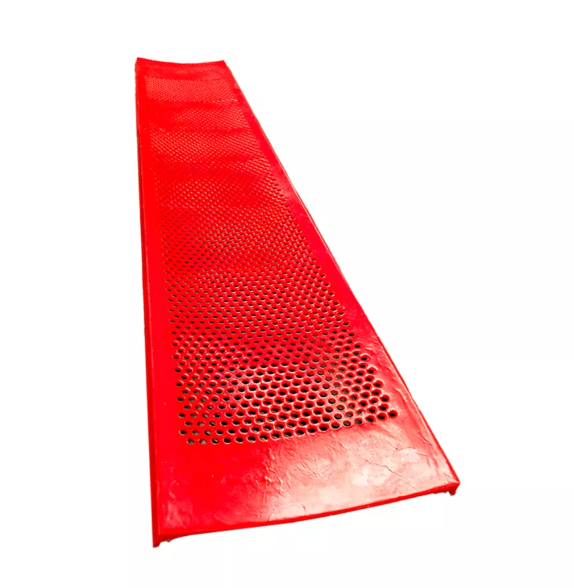
Screen mesh is typically made from high-carbon steel or stainless steel, depending on the specific requirements of the processing operation. Polyester screen mesh and rubber screen mesh are also commonly used in applications requiring flexibility or resistance to wear and tear.
| Material | Characteristics | Ideal Applications |
|---|---|---|
| High-carbon steel | High strength, wear-resistant | Suitable for harsh environments, heavy materials |
| Stainless steel | Corrosion-resistant, durable | Suitable for chemical exposure or wet conditions |
| PU (Polyurethane) | Abrasion-resistant, flexible | Ideal for abrasive and wet materials, vibrating screens |
| Rubber | Flexible, anti-clogging | Best for sticky or wet materials |
The choice of material for screen mesh is crucial, as it affects the mesh's longevity, performance, and ability to withstand the rigors of mineral processing. Using the wrong material can lead to frequent maintenance and early failure of equipment, which can negatively impact operational efficiency.
There are several types of screen mesh designed for various mineral processing applications, each with unique features to handle different materials and processing stages:
| Screen Mesh Type | Key Features | Typical Uses |
|---|---|---|
| Woven wire mesh | Flexible, precise separation | Primary screening, fine material separation |
| Polyurethane screens | Durable, abrasion-resistant | Wet ores, vibrating screens, high wear resistance |
| Perforated metal screens | High throughput, sturdy | Coarse materials, high volume processing |
| Trommel screens | Rotating cylindrical design | Large-scale mining, separation of different sizes |
Each type of screen mesh is engineered to suit different requirements, from coarse to fine materials, depending on the nature of the mineral being processed. The correct selection of screen mesh is critical for achieving optimal results and minimizing the risks associated with inefficient separation.
| Function | Description | Impact on Mineral Processing |
|---|---|---|
| Size separation | Separating particles based on size | Ensures efficient processing and reduces material loss |
| Impurity removal | Filtering out contaminants like rocks and clay | Increases purity of valuable minerals |
| Sizing and purity for downstream processes | Preparing materials for further treatment (e.g., flotation, magnetic separation) | Enhances recovery rates and process efficiency |
In mineral processing, screen mesh is primarily used for size classification. When ore is extracted from the ground, it is typically a mixture of different-sized rocks and minerals. The screen mesh separates these materials based on particle size, allowing finer materials to pass through while retaining larger ones. This size separation is crucial for ensuring that materials are processed effectively and that valuable minerals are not lost.
For example, dewatering screen mesh is often used in the final stages of processing to separate fine materials from excess moisture, ensuring that only the desired particle sizes move forward for further treatment. The mesh's ability to accurately classify particles helps optimize mineral recovery, reducing waste and increasing efficiency.
One of the primary roles of screen mesh in mineral processing is impurity removal. As raw ore comes from the ground, it often contains unwanted materials such as rocks, clay, and other debris. Screen mesh helps remove these contaminants, ensuring that only the valuable minerals proceed to the next stage of processing. This step is crucial for improving the quality of the final product and minimizing the risk of contamination in subsequent stages.
By using the correct screen mesh for the specific material being processed, mining operations can enhance the purity of their products. For instance, rubber screen mesh is often used in industries dealing with sticky or wet materials, as its flexibility prevents clogging and ensures consistent separation. The proper use of screen mesh also contributes to increased recovery rates and more efficient use of resources.
The proper sizing of materials is crucial for downstream processes like flotation, magnetic separation, and leaching. Screen mesh ensures that only materials of the appropriate size and purity reach these stages, optimizing efficiency and enhancing the recovery of valuable minerals. This step also helps to prevent costly errors in later stages of processing, where improper particle sizing could lead to reduced recovery rates or equipment damage.
For example, PU vibrating screen mesh helps maintain particle stratification, allowing fine particles to move freely across the screen, while coarser particles are directed upwards. This process helps reduce the chances of clogging and ensures that valuable minerals are efficiently separated from waste materials, facilitating smoother operations and higher recovery yields.
Using high-quality screen mesh enhances the overall output quality by ensuring that only the correctly sized and pure materials move forward in the process. The precise separation of particles helps increase the yield of valuable minerals, improving the quality of the final product. Effective screening also improves operational performance by reducing the amount of rework required during processing. By separating materials correctly, mining operations can avoid costly mistakes and improve the quality of the end product.
Efficient screening also helps ensure that waste materials are properly disposed of, reducing the environmental impact of mining operations. By optimizing the screening process, mining companies can achieve higher productivity, reduce costs, and ensure compliance with environmental regulations.
Screen mesh serves as a protective barrier for processing equipment. By filtering out oversized particles, it prevents them from damaging crushers, mills, and other machinery used in subsequent processing stages. This protective function is particularly important in hard rock mining, where oversized materials can cause significant damage to equipment, leading to costly repairs and downtime.
For example, polyester screen mesh is often used in wet conditions where fine particles are abundant, helping to prevent clogging and wear in equipment. By using durable and high-quality screen mesh, mining operations can extend the lifespan of their equipment, minimize maintenance costs, and improve the overall efficiency of their operations.
Efficient screen mesh not only improves processing accuracy but also reduces operational costs. By increasing the throughput of materials, reducing waste, and minimizing energy consumption, screen mesh helps mining operations save money in the long run. Properly maintaining dewatering screen mesh and other types of mesh ensures that mining operations remain cost-effective, minimizing downtime and maintenance costs while maximizing productivity.
In addition to direct cost savings, the use of effective screening processes can help companies achieve better recovery rates, reducing the need for reprocessing and decreasing overall production costs.
Screen mesh is also essential for recycling tailings and slag, which are the byproducts of mineral extraction. These waste materials often still contain valuable minerals that can be recovered through re-screening. The use of screen mesh in recycling operations helps ensure that no valuable minerals are lost and that waste materials are processed efficiently.
For instance, PU screen mesh is commonly used in tailings processing to separate the finer particles, allowing for the recovery of residual minerals. By reprocessing these materials, mining operations can improve resource utilization and reduce environmental waste, contributing to more sustainable mining practices.
The use of screen mesh in recycling operations helps reduce the environmental impact of mining by minimizing waste and enabling more sustainable practices. By recovering valuable minerals from tailings, mining companies can lower the environmental footprint of their operations, contributing to more eco-friendly mining practices. Additionally, using screen mesh reduces the need for new mining activities, further conserving natural resources and minimizing environmental degradation.
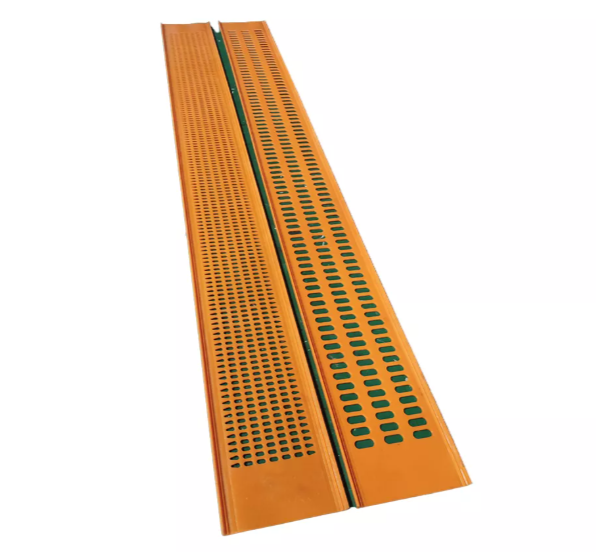
| Application | Description | Relevant Screen Mesh Types |
|---|---|---|
| Ore Dressing and Size Separation | Classifying ore into size fractions for further processing | Woven wire mesh, polyurethane screens |
| Sand and Gravel Aggregates | Sorting materials for construction use | Perforated metal screens, trommel screens |
| Coal Preparation | Removing impurities and classifying coal | Polyester screen mesh, rubber screen mesh |
| Tailings Recycling | Recovering residual minerals from waste | PU screen mesh, dewatering screen mesh |
In ore dressing, screen mesh is used to separate materials into fractions of different sizes, ensuring that only appropriately sized particles undergo further processing. This is critical for efficient mineral recovery and ensuring that the processing plant operates at optimal capacity. By ensuring that only the desired particle sizes are processed, screen mesh helps prevent issues like clogging and inefficient separation.
Screen mesh is also extensively used in the production of sand and gravel aggregates, where consistent particle sizing is crucial. The mesh ensures that only the required size materials are processed, helping to meet industry standards for construction and other uses. High-quality aggregates are essential for applications such as road construction and concrete production, and screen mesh ensures that these materials are sorted accurately.
In coal processing, screen mesh helps remove impurities like dirt and clay, improving the quality of the final coal product. Polyester screen mesh is commonly used in coal preparation to efficiently separate fine coal from unwanted materials. This ensures that only high-quality coal moves forward for industrial use, improving the efficiency of energy production and reducing the environmental impact of coal combustion.
Choosing the correct screen mesh material and mesh size is vital for ensuring that materials are properly classified and impurities are removed. Factors such as material type, moisture content, and particle size should all be considered when selecting the appropriate mesh for a given application. Proper selection ensures that the screening process operates efficiently and effectively, minimizing waste and improving recovery rates.
Durability is an important consideration when selecting screen mesh. Materials like PU screen mesh and rubber screen mesh offer superior resistance to wear and tear, ensuring that the mesh lasts longer and requires fewer replacements. Regular maintenance and proper care of screen mesh are essential for prolonging its service life and ensuring optimal performance throughout its use.
Each mining operation is unique, and the screen mesh used should be tailored to meet the specific needs of the operation. Customizing the mesh size and material helps optimize the processing efficiency, ensuring that valuable minerals are effectively separated from waste. Whether dealing with coarse, medium, or fine materials, selecting the right mesh for each stage of processing ensures the best possible results.
In summary, screen mesh plays a vital role in mineral processing by ensuring efficient separation and improving material purity. It enhances operational performance, reduces costs, and promotes sustainable practices. Choosing the right screen mesh for each specific application is essential for optimizing processes and ensuring high-quality output. Hebei Dizhuo Rubber & Plastic Products Co., Ltd offers durable and versatile screen mesh products, helping mining operations achieve long-term success with effective mineral processing solutions.
A: Screen mesh is used in mineral processing to separate materials based on size, remove impurities, and prepare ores for further processing. It ensures that only the desired particle sizes are used for downstream processes.
A: Screen mesh enhances efficiency by ensuring that only correctly sized materials move forward for further treatment, improving recovery rates and reducing waste. PU vibrating screen mesh is particularly effective for abrasive materials.
A: Common types include polyester screen mesh, rubber screen mesh, and PU screen mesh. Each type is designed for specific applications like wet screening or handling sticky materials.
A: Choosing the right screen mesh ensures efficient separation, reduces maintenance costs, and improves mineral purity. For example, dewatering screen mesh is ideal for removing excess moisture from processed materials.
A: PU screen mesh offers high wear resistance and flexibility, making it ideal for abrasive materials and wet conditions. It's durable and reduces downtime, leading to cost savings in long-term operations.


