

Views: 0 Author: Site Editor Publish Time: 2026-08-29 Origin: Site


Heavy-load industrial environments destroy standard flooring and basic rubber mats fast. Abrasive forces tear up weak materials, creating severe safety hazards and forcing operational downtime. Facility managers and engineers face a constant challenge: balancing strict OSHA and HSE slip-resistance compliance with extreme durability requirements. Selecting the wrong material leads to premature failure from chemical exposure, mechanical tearing, or a complete loss of surface traction. Solving this problem requires a precise technical evaluation framework for specifying an anti skid polyurethane sheet. Engineers must analyze durometer ratings, material density, surface textures, and environmental constraints. By understanding how polyurethane elastomers behave under heavy mechanical pressure and chemical exposure, facilities can implement flooring solutions that vastly outperform traditional rubber alternatives and liquid-applied coatings.
Superior Abrasion Resistance: Polyurethane typically outlasts standard rubber by 3 to 10 times in high-wear, abrasive applications, significantly reducing replacement frequency.
Specification Driven by Environment: The choice of durometer, density, thickness, and surface texture must be dictated by specific operational threats, such as heavy machinery loads, constant fluid exposure, or chemical spills.
Installation Dictates Performance: Even the highest-grade industrial anti slip pad will fail if the backing type or fastening method does not match the substrate and environmental conditions.
Temperature Limitations: While highly resistant to oils and physical wear, standard polyurethane has specific thermal thresholds; extreme temperature applications require specialized formulations or alternative materials.
Polyurethane elastomers possess a fundamentally different molecular structure compared to vulcanized rubber. Traditional rubber relies on sulfur cross-linking. This provides basic flexibility but leaves the material highly susceptible to tearing, gouging, and chunking under heavy shear loads. When a forklift pivots its tires on a standard rubber mat, the friction and shear force rip the rubber apart.
Polyurethane consists of block copolymers featuring alternating hard and soft segments. This unique structural composition delivers exceptional tensile strength and extreme tear resistance. When heavy equipment drags across the surface, the polymer chains stretch and recover rather than fracturing. This resilience allows polyurethane to withstand aggressive mechanical impacts that shred standard rubber compounds in weeks.
Performance Metric | Vulcanized Rubber | Polyurethane Elastomers |
|---|---|---|
Abrasion Resistance | Low to Moderate | Extremely High (3-10x longer lifespan) |
Tear Strength | Prone to chunking under shear loads | High resistance to cutting and tearing |
Load Bearing Capacity | Compresses permanently under heavy weight | Maintains dimensional stability under high loads |
Petrochemical Resistance | Swells and degrades rapidly | Highly resistant to oils, muds, and solvents |
Facility engineers often debate between installing pre-cast sheets and applying liquid epoxy or urethane floor coatings. Pre-cast sheets provide a guaranteed, uniform thickness across the entire installation area. Liquid coatings rely heavily on the applicator's skill. Poor application results in uneven surfaces, thin spots, and inconsistent aggregate distribution.
Pre-cast sheets offer superior impact absorption. A solid sheet acts as a structural buffer. Thin liquid coatings simply transfer kinetic energy directly into the concrete substrate, leading to cracking and delamination when heavy tools hit the floor. Installing sheets eliminates facility downtime associated with lengthy curing processes. A pre-cast sheet handles heavy forklift traffic immediately upon mechanical installation. Epoxies require 48 to 72 hours to achieve full chemical cure, forcing unacceptable production halts.
In abrasive conditions, polyurethane demonstrates a massive longevity advantage. Field data consistently shows a 3 to 10 times lifespan increase over standard rubber. This metric becomes highly visible in environments involving dragging heavy metal parts, continuous forklift traffic, or abrasive particulate accumulation.
The high load-bearing capacity of polyurethane prevents the material from compressing permanently under heavy stationary loads. Rubber mats develop deep, permanent ruts in high-traffic aisles. Polyurethane maintains its dimensional stability and surface integrity over thousands of impact cycles. You replace rubber mats quarterly; you replace polyurethane every few years.
Polyurethane serves as the baseline standard for an oilfield rig floor mat due to its unparalleled chemical resistance. Drilling operations expose flooring to harsh synthetic drilling muds, crude oil, hydraulic fluids, and industrial solvents. Standard rubber absorbs these hydrocarbons. The material swells, softens, and eventually disintegrates into a sticky mess.
Polyurethane features an inherent resistance to petrochemical degradation. The material repels oils and solvents, maintaining its structural hardness and tensile strength even during prolonged exposure. This chemical stability ensures that the anti-slip surface profile remains intact, providing reliable traction in highly contaminated environments.
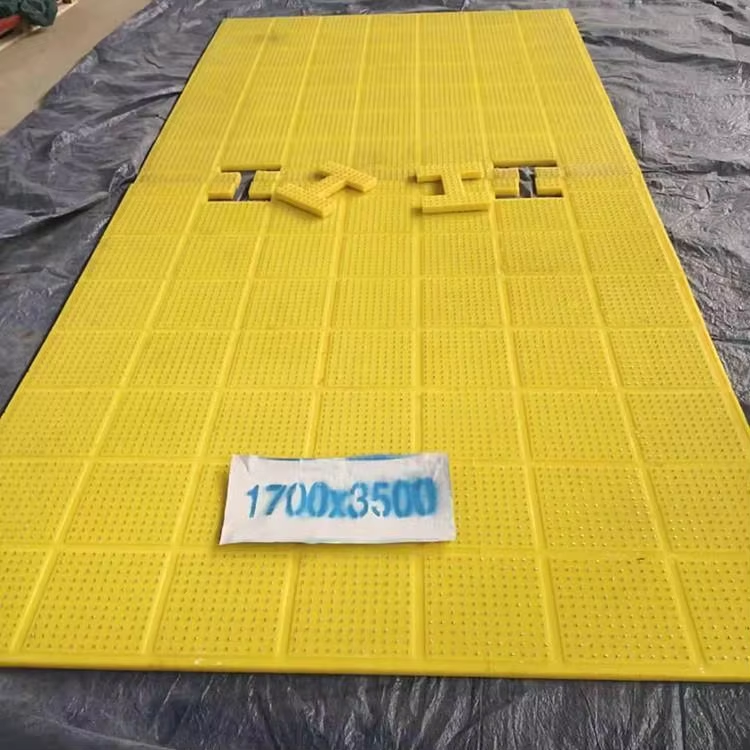
Understanding hardness dictates proper specification. The Shore scale measures the hardness of polymers. Shore A covers softer, more flexible elastomers. Shore D measures rigid, hard plastics. For industrial flooring applications, engineers specify materials ranging from 70 Shore A to 95 Shore A, or occasionally low Shore D ranges for extreme load-bearing requirements.
Durometer Scale | Characteristics | Best Application Scenarios |
|---|---|---|
70 - 80 Shore A | Softer, high surface compliance, good grip | Pedestrian walkways, ergonomic standing stations |
85 - 90 Shore A | Balanced hardness, moderate impact resistance | Assembly lines, light cart traffic, general manufacturing |
95 Shore A - 60 Shore D | Extremely rigid, high load-bearing, cut resistant | Heavy forklift aisles, metal stamping, rig floors |
Differentiating between material densities matters just as much. Solid, high-density polyurethane elastomers handle constant, heavy mechanical pressure. These solid sheets resist puncturing from dropped tools and support the weight of heavy machinery without deformation. Low-density urethane foams offer excellent ergonomic anti-fatigue properties but lack the structural density required for abrasive environments. Foams belong in lightweight, non-abrasive applications like static assembly stations.
Selecting the exact durometer involves a strict trade-off between hardness and surface compliance. Harder materials provide maximum durability under heavy loads, resisting cuts from metal shavings and forklift tires. However, harder surfaces offer less inherent grip. Softer materials compress slightly underfoot, increasing the contact area and providing superior traction for foot traffic. Select the durometer based on whether the primary load consists of pedestrian workers or heavy wheeled equipment. Verify all specifications against ASTM D2240 testing standards to ensure material consistency.
Traction relies heavily on the physical surface profile. Manufacturers utilize two primary texturing methods: molded-in surface patterns and embedded abrasive granules. Molded patterns, such as diamond plate, raised button, or ribbed profiles, cast directly into the polymer during manufacturing. These patterns provide excellent macro-traction and facilitate fluid drainage.
Embedded granules involve integrating materials like aluminum oxide, silicon carbide, or quartz directly into the polyurethane. The integration method for these granules dictates long-term performance. Surface-broadcast granules apply only to the top layer during the curing process. Under heavy abrasion, this top layer wears off, leaving a smooth, slippery surface behind.
High-performance sheets utilize fully encapsulated or molded-in aggregates distributed throughout the material matrix. As the top layer of the industrial anti slip pad wears down over time, new abrasive granules continuously expose themselves. This maintains a consistent coefficient of friction throughout the product's lifespan.
Different textures drastically impact the dynamic and static coefficient of friction in wet versus dry conditions. Aggressive aluminum oxide grit provides maximum traction in oily or wet environments but introduces maintenance challenges. Highly aggressive granular textures trap dirt, metal shavings, and fluids, making them significantly harder to clean and sanitize. Balance the need for extreme slip resistance with daily maintenance and hygiene requirements.
Sheet thickness directly correlates with load-bearing capacity and impact resistance. Specifying the correct gauge requires analyzing the heaviest anticipated loads. A 1/8-inch sheet suffices for light foot traffic over existing smooth concrete floors. Heavy impact zones, such as metal stamping areas or rig floors handling heavy drill pipes, require thicknesses ranging from 1/2-inch up to 1-inch or more.
When evaluating thickness, engineers must also consider the substrate condition. Installing a thin 1/8-inch sheet over heavily spalled or pitted concrete will eventually cause the polyurethane to conform to the imperfections, creating an uneven walking surface. In these cases, a thicker 3/8-inch or 1/2-inch sheet bridges the gaps and provides a perfectly level surface, eliminating the need for expensive concrete resurfacing prior to installation.
Thicker sheets excel at impact attenuation. They absorb massive amounts of kinetic energy, protecting the underlying concrete or structural steel substrate from catastrophic damage caused by dropped tools, heavy molds, or machinery vibration. This energy absorption provides a secondary benefit: thermal-acoustic insulation. In heavy manufacturing facilities, thick polyurethane sheets significantly dampen ambient noise levels and isolate structural vibrations, creating a safer and more compliant working environment for personnel.
Despite its massive advantages in abrasion and chemical resistance, standard high-density polyurethane possesses realistic thermal limits. Continuous exposure to extreme heat alters the polymer's physical properties. Standard formulations begin to soften, lose tensile strength, and experience a reduction in tear resistance when ambient or contact temperatures exceed 180°F to 200°F.
Evaluate the thermal operating environment carefully. If operations involve direct contact with hot metal forgings, steam cleaning protocols, or proximity to industrial furnaces, implement mitigation strategies. At these higher temperature thresholds, specify specialized high-temp urethane blends formulated with advanced cross-linkers. If temperatures consistently exceed the limits of modified urethanes, revert to specific synthetic rubbers, such as EPDM or Silicone. In these extreme thermal environments, temperature resistance takes precedence over pure abrasion resistance.
Continuous fluid exposure introduces specific chemical challenges. While polyurethane resists oils and solvents, prolonged submersion in water triggers hydrolysis—a chemical breakdown of the polymer chain. To mitigate this risk in wet environments, specify polyether-based polyurethanes. Polyether formulations offer exceptional resistance to hydrolysis. Polyester-based urethanes degrade, crack, and fail when continuously exposed to moisture and humidity.
Surface design plays a major role in fluid management. Evaluate when a solid non slip polyurethane mat is appropriate versus a perforated or slotted design. Solid sheets work well in areas with occasional spills that operators can manually sweep or vacuum. In environments with continuous fluid flow, such as machining centers utilizing heavy cutting fluids or outdoor drilling rigs, perforated designs are mandatory. Slotted sheets allow hazardous fluids to drain rapidly away from the walking surface, preventing hydroplaning and maintaining direct contact between worker footwear and the anti-slip texture.
The performance of any industrial flooring depends entirely on the integrity of its installation. Pressure-Sensitive Adhesives offer a streamlined installation method for specific environments. High-bond acrylic or rubber-based adhesives provide excellent permanent adhesion when applied to smooth, clean, and completely dry substrates like finished concrete or epoxy-coated floors. Proper surface preparation, including degreasing and mechanical profiling, prevents adhesive failure.
Environmental temperature fluctuations also impact adhesive performance. Facilities with large bay doors experience significant thermal expansion and contraction. Adhesives can shear under these thermal cycles. Mechanical fasteners lock the material in place regardless of temperature swings. When using fasteners, always specify stainless steel hardware in wet environments to prevent rust from degrading the polyurethane over time.
Pressure-sensitive adhesives fail in high-shear environments or on uneven substrates. When heavy forklifts pivot, they generate massive shear forces that easily tear an adhesively mounted sheet off the floor. In these scenarios, mechanical fastening becomes a strict requirement.
Follow these steps for mechanical fastening:
Layout the polyurethane sheets and mark the fastener locations, ensuring a minimum of 2 inches from any edge to prevent tear-out.
Pre-drill the polyurethane material using a specialized polymer drill bit to prevent melting or binding.
Countersink the holes so the fastener heads sit below the walking surface, eliminating trip hazards and protecting the hardware from wear.
Drill into the concrete or steel substrate using the pre-drilled mat as a template.
Install heavy-duty concrete anchors or self-tapping steel screws with wide-flange washers to distribute the hold-down force evenly.
For heavy industrial decks, weldable substrates offer the ultimate installation security. Manufacturers produce polyurethane sheets cast directly onto thin steel backing plates. Installers plug-weld these steel-backed panels directly to structural steel decks, creating an immovable, permanent flooring solution capable of withstanding extreme shear loads without delamination.
Surface transitions require careful engineering to mitigate trip hazards. Abrupt edges on thick polyurethane sheets create significant safety risks for pedestrian traffic and impede the movement of wheeled carts. Installations must incorporate beveled edges or dedicated transition strips to ensure a smooth, OSHA-compliant transition from the concrete substrate to the elevated matting surface.
Sealing the perimeter is equally necessary in fluid-heavy environments. If cutting fluids, oils, or harsh chemicals migrate beneath the sheet, they rapidly degrade the adhesive backing or cause severe corrosion to the underlying steel substrate. Seal all perimeter edges and mechanical fastener penetration points with high-grade, chemically resistant urethane caulking. This creates a monolithic, impermeable barrier that protects the substrate and ensures the long-term structural integrity of the installation.
Drilling rigs represent one of the most hostile environments for any flooring material. The success criteria for these applications demand high chemical resistance to synthetic muds, extreme impact resistance against dropped drill collars, and aggressive traction in environments saturated with crude oil and water.
The optimal solution involves specifying a custom-molded rig floor mat. These specialized mats feature deep fluid drainage channels, aggressive molded-in traction patterns, and embedded high-visibility safety zones. The material must be a high-durometer, polyether-based urethane to resist hydrolysis from outdoor weather exposure while withstanding the crushing weight of rotary tables and heavy iron tools.
Manufacturing facilities require a delicate balance between worker ergonomics and equipment durability. The success criteria involve providing ergonomic support for stationary workers while resisting damage from sharp metal shavings, aggressive cutting fluids, and continuous forklift traffic crossing the work zones.
The solution lies in specifying a mid-durometer industrial pad. A hardness of approximately 80 to 85 Shore A provides enough surface compliance to reduce lower limb fatigue while maintaining the cut and tear resistance necessary to survive metalworking environments. Molded textures, rather than embedded grit, balance anti-fatigue properties with abrasion resistance, allowing for easier sweeping of metal chips and providing significant acoustic dampening against factory noise.
Food and beverage manufacturing presents unique challenges. The success criteria demand strict hygiene compliance, resistance to organic acids, and extreme slip resistance in constantly wet conditions.
Specify an FDA-compliant, polyether-based polyurethane sheet. The material must resist hydrolysis from daily high-pressure hot water washdowns and harsh chemical sanitizers. Surface textures must balance traction with cleanability; aggressive embedded grit traps bacteria, so molded ribbed or raised-button profiles are mandatory. These molded patterns allow facility teams to sanitize the floor effectively while providing workers with safe footing in areas prone to animal fat or liquid spills.
Selecting the correct flooring material for high-wear environments demands rigorous technical evaluation. While polyurethane requires precise specification regarding durometer, material density, and base chemistry, it remains the undisputed choice for abrasive, heavy-load applications. Standard rubber and liquid coatings cannot match the tensile strength, tear resistance, and chemical stability of properly engineered polyurethane elastomers.
To ensure optimal performance, execute the following next steps:
Audit your facility to identify the primary wear threats, distinguishing between mechanical abrasion, chemical exposure, and thermal extremes.
Specify the exact durometer and surface texture required by analyzing the ratio of foot traffic to heavy wheeled equipment in the installation zone.
Verify all moisture and thermal constraints to choose correctly between polyether and polyester formulations.
Select the installation method strictly based on substrate conditions and shear load expectations, prioritizing mechanical fastening for high-traffic forklift aisles.
A: The difference lies in the molecular structure. Polyurethane is a block copolymer offering 3 to 10 times higher abrasion resistance and significantly greater tensile strength than sulfur-crosslinked vulcanized rubber. Polyurethane provides superior chemical tolerance against petrochemicals, oils, and synthetic fluids that cause standard rubber to swell and degrade rapidly.
A: Pre-cast polyurethane sheets offer immediate installation without the 48 to 72-hour curing time required by liquid epoxies. Sheets provide superior kinetic impact absorption, preventing substrate cracking. They guarantee a consistent, factory-controlled thickness and uniform abrasive granule distribution, which liquid coatings applied on-site cannot reliably achieve.
A: Standard industrial cleaning protocols work best. Use pressure washing, mechanical scrubbers, and standard industrial degreasers to remove surface contaminants. Avoid highly aggressive solvents like pure MEK or acetone for prolonged soaking, as extreme solvents degrade specific urethane blends. Regular sweeping prevents metal shavings from packing into the surface texture.
A: Yes, but they require specific chemical formulations. Outdoor applications must utilize UV-stabilized polyurethane blends to prevent yellowing, chalking, and micro-cracking caused by prolonged direct sunlight exposure. Outdoor mats should utilize polyether-based urethane to prevent hydrolysis from continuous rain and ambient moisture.
A: For thinner gauges under 1/4 inch, a heavy-duty utility knife with a sharp blade and a straight edge works effectively. For thicker sheets or complex geometries, installers use specialized bandsaws with coarse-tooth blades, jigsaws, or commercial waterjets. Always ensure the material is firmly clamped to prevent binding and ensure precise cuts.
A: Rig floor mats typically range from 3/4 inch to 1.5 inches in thickness. This heavy gauge is mandatory to withstand the extreme kinetic impact of dropped drill pipes, heavy iron tools, and the crushing weight of rotary tables. This thickness ensures the mat absorbs energy without damaging the steel deck below.


